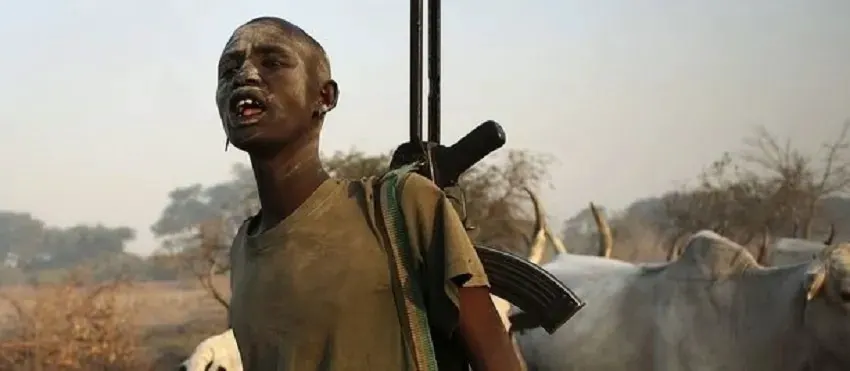
The National Civil Society Coalition (NCSC) of South Sudan has accused influential politicians and military officers of fuelling communal violence across the country. According to the NCSC, communal clashes have increased over the past three months, with violence reported in Lakes, Jonglei, Unity, Warrap and Upper Nile states, as well as Ruweng and Abyei administrative areas. This surge in violence has raised concerns about the country's political transition and preparations for elections.
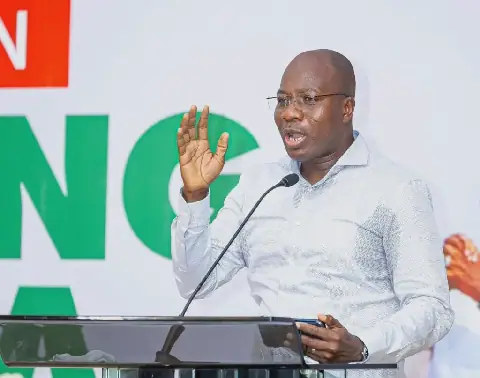
The NCSC statement, signed by coalition chairperson Bol Deng Bol, cited the widespread availability of firearms among civilians, longstanding disputes, hunger, and youth unemployment as contributing factors to the recurring violence. The coalition also alleged that disgruntled powerful politicians and military officials often trigger and fuel violent communal conflicts. However, the NCSC did not identify the specific politicians or military officers involved or provide evidence linking them to the recent clashes.
The accusation comes on the heels of deadly fighting between armed youths from rival communities in Rumbek town, the capital of Lakes State. A preliminary government report stated that at least 71 people, including four soldiers, were killed in the violence, although authorities noted that the exact casualty figures had yet to be verified. The clashes began in Nyangkot village and spread into residential areas of Rumbek town, causing panic among residents and forcing civilians to flee to nearby villages.
The government later announced that joint security forces had regained control of the town, arresting four armed civilians and recovering four firearms. The information ministry stated that investigations into the violence were underway. The NCSC warned that the continued failure to address communal disputes could have wider consequences as South Sudan moves towards its planned elections.
The coalition urged newly appointed caretaker governors and chief administrators to prioritise resolving communal disputes through dialogue and reconciliation. They also called on the national government to provide security assistance where necessary, particularly in areas experiencing repeated attacks and retaliatory violence.
Communal violence has remained a persistent security challenge in South Sudan despite efforts by successive state administrations to promote reconciliation and disarm armed civilians. The NCSC is an umbrella organisation bringing together grassroots civil society networks from South Sudan's 10 states and three administrative areas.
The coalition's concerns come as President Salva Kiir's administration prepares for the country's first national elections since independence in 2011. The president dissolved the transitional government in September and appointed caretaker authorities as part of political changes ahead of elections scheduled for December 2026.
Key points
- The National Civil Society Coalition accuses influential politicians and military officers of fuelling communal violence in South Sudan.
- Communal clashes have increased over the past three months, with violence reported in several states and administrative areas.
- The coalition urges caretaker governors to prioritise resolving communal disputes through dialogue and reconciliation to prevent further violence.