South Sudanese children have urged leaders to translate climate promises into action, as government representatives pledged to prioritize children's rights in climate policies ahead of the COP31 climate conference. The call was made during the Children's COP31 Declaration and Climate Call to Action dialogue organized by Save the Children. The dialogue brought together children, government representatives, and stakeholders to discuss climate challenges and practical solutions. The theme of the dialogue was "From Commitments to Implementation".
Save the Children leadership representative Eva Hegedus described climate change as a children's rights crisis, warning that floods, droughts, and extreme heat threaten children's access to education, healthcare, clean water, and nutritious food. Hegedus emphasized that children are not only among those most affected by climate change but also leaders and advocates capable of contributing to solutions. She urged governments and stakeholders to work collectively to translate climate commitments into practical action reaching vulnerable children and communities.
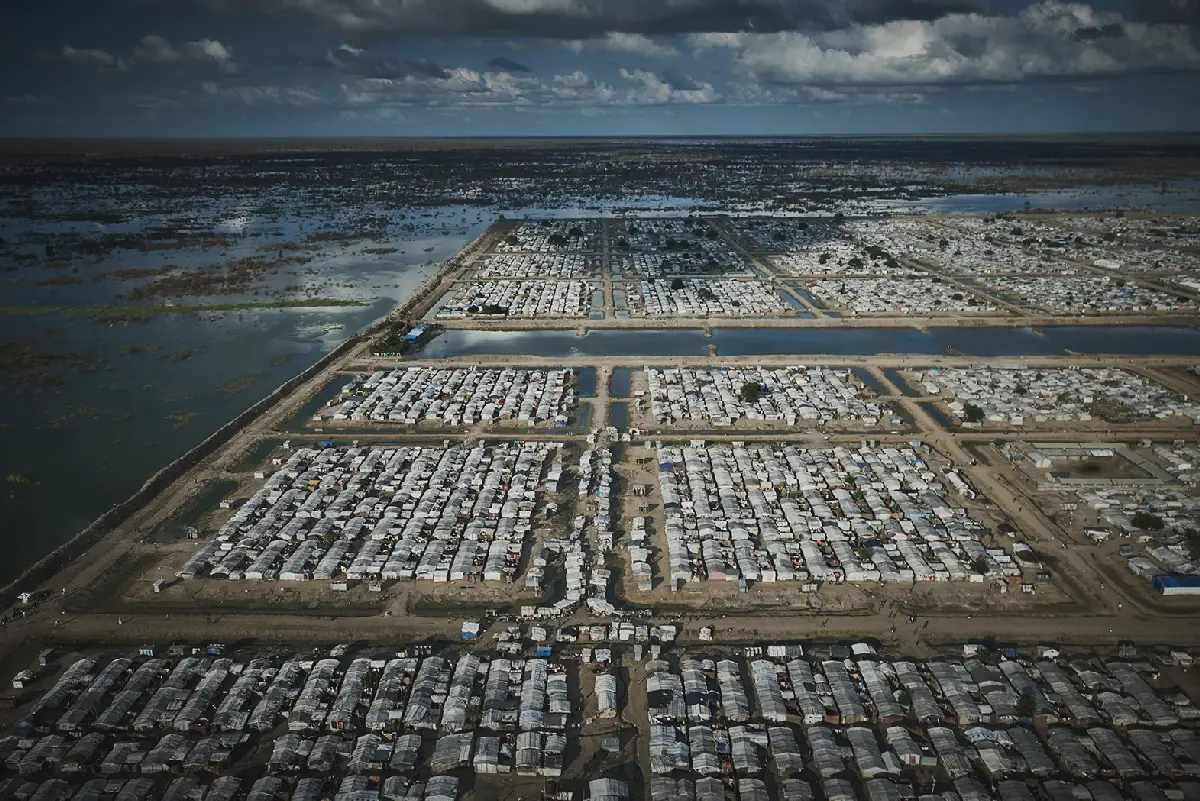
Children's Council member Siama Santino highlighted the impact of climate change on children's everyday lives, citing floods in Unity, Jonglei, and other areas that had destroyed homes and classrooms, leaving thousands of children unable to attend school for months. Santino also mentioned that droughts and crop failures had contributed to hunger and disrupted education. She warned that climate-related hardship was increasing pressure on families, with some resorting to early marriage involving girls as a survival strategy.
Santino described the Children's COP31 dialogue as an opportunity to advance climate justice by allowing children to share their experiences and influence decisions. She called on children to raise their voices, plant trees, and participate in climate initiatives while demanding action on behalf of children unable to reach decision-makers. Santino emphasized that COP31 means their future and the kind of life they will live.
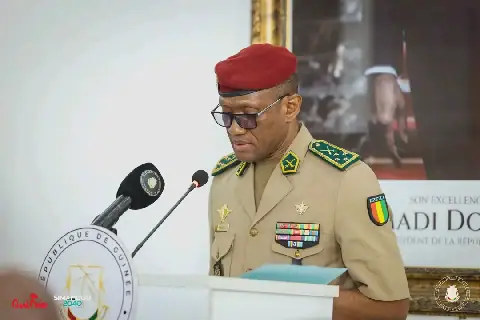
Deputy Director for climate change Payai Manyok John, representing the Ministry of Environment and Forestry, said South Sudan recognizes climate change as a development, humanitarian, and intergenerational justice issue. John outlined government commitments to prioritize children in climate policies, promote climate-resilient schools, strengthen early warning systems, and improve access to healthcare, nutrition, sanitation, and clean water.
John pledged support for children's participation in climate consultations, protection of displaced children, climate education, and access to climate finance. He stressed that climate resources should be directed towards intended programmes and called for stronger partnerships, sustained investment, and coordination across education, health, agriculture, water, and disaster management sectors. The government will consider children's declaration in shaping national climate positions ahead of COP31.
The dialogue concluded with discussions on children's climate priorities and the need to translate commitments into practical action ahead of COP31. Key points from the dialogue include the need for meaningful participation of children in climate decision-making, prioritizing children in climate policies, and translating climate commitments into practical action.
Key points
- Children in South Sudan are calling for climate justice and meaningful participation in climate decision-making.
- The government of South Sudan has pledged to prioritize children's rights in climate policies ahead of COP31.
- Climate change is a children's rights crisis, threatening their access to education, healthcare, clean water, and nutritious food.