South Sudan is on the cusp of a significant political transition as the country approaches its December 22 elections. With only three months to go, the national and state governments are expected to dissolve, marking a substantial shift from the prolonged transitional administration established after the 2018 peace agreement. According to Section 15(2) of the National Elections Act, the national legislature, state assemblies, national government, and state governments must dissolve within three months of the election date.
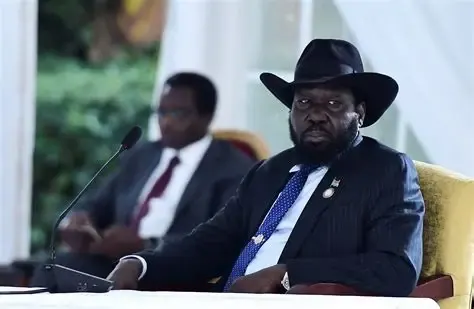
A key aspect of the proposed changes concerns the five vice-presidential positions, which are set to be abolished. The incumbent president, Salva Kiir Mayardit, will remain in office with constitutional powers during the election period, while the First Vice President and the other vice presidents will be relieved of their duties. This move is part of the government's efforts to align the country's electoral legislation with the Transitional Constitution ahead of the polls. The amendments were introduced by Justice and Constitutional Affairs Minister Wek Mamer Kuol.
President Kiir is expected to remain in office throughout the election period, with the powers vested in the presidency under the Constitution. The proposed election amendments specifically provide for the incumbent president to remain in office during the election period, ensuring continuity as South Sudan prepares for its December vote. As the leader of the ruling Sudan People's Liberation Movement (SPLM), Kiir will continue to play a crucial role in the country's politics.
The country's legislature is also facing a major transformation. The proposed electoral framework provides for a 332-member elected National Legislative Assembly, replacing the larger transitional legislature created under the power-sharing arrangements. The new assembly will have 50 percent of its seats allocated to geographical constituencies, 35 percent to women, and 15 percent through political party lists. The National Elections Commission has already declared 102 geographical constituencies based on the 2010 elections.
Earlier this month, President Kiir signed Constitutional Amendment No. 13, formally separating the conduct of elections from the completion of South Sudan's permanent constitution-making process and population and housing census. This amendment allows the country to proceed with the scheduled December 22 elections without first completing a new census or permanent constitution. The National Elections Commission has confirmed December 22, 2026, as the date for the elections.
The decision to rely on geographical constituencies derived from the 2010 electoral arrangements, rather than new constituencies drawn from a population census, has raised questions about the transition. The National Elections Commission has announced 102 geographical constituencies covering South Sudan's ten states and three administrative areas for the forthcoming elections. This change marks a significant shift in the preparations for an election intended to bring the extended transitional period closer to an end.
Despite expectations surrounding the September 22 transition, the precise legal consequences remain a matter of debate. Government spokesperson Ateny Wek Ateny had indicated earlier this month that dissolution might occur later than September 22, while lawmaker Stephen Ajongo Akol said it could happen on September 22. The formal presidential action will be crucial in determining the country's next steps. If the dissolution proceeds as anticipated, South Sudan will enter a fundamentally different phase of its political transition.
Key points
- President Salva Kiir Mayardit is set to retain powers ahead of the December 22 elections.
- The national and state governments are expected to dissolve within three months of the election date.
- The country's legislature will be transformed into a 332-member elected National Legislative Assembly.