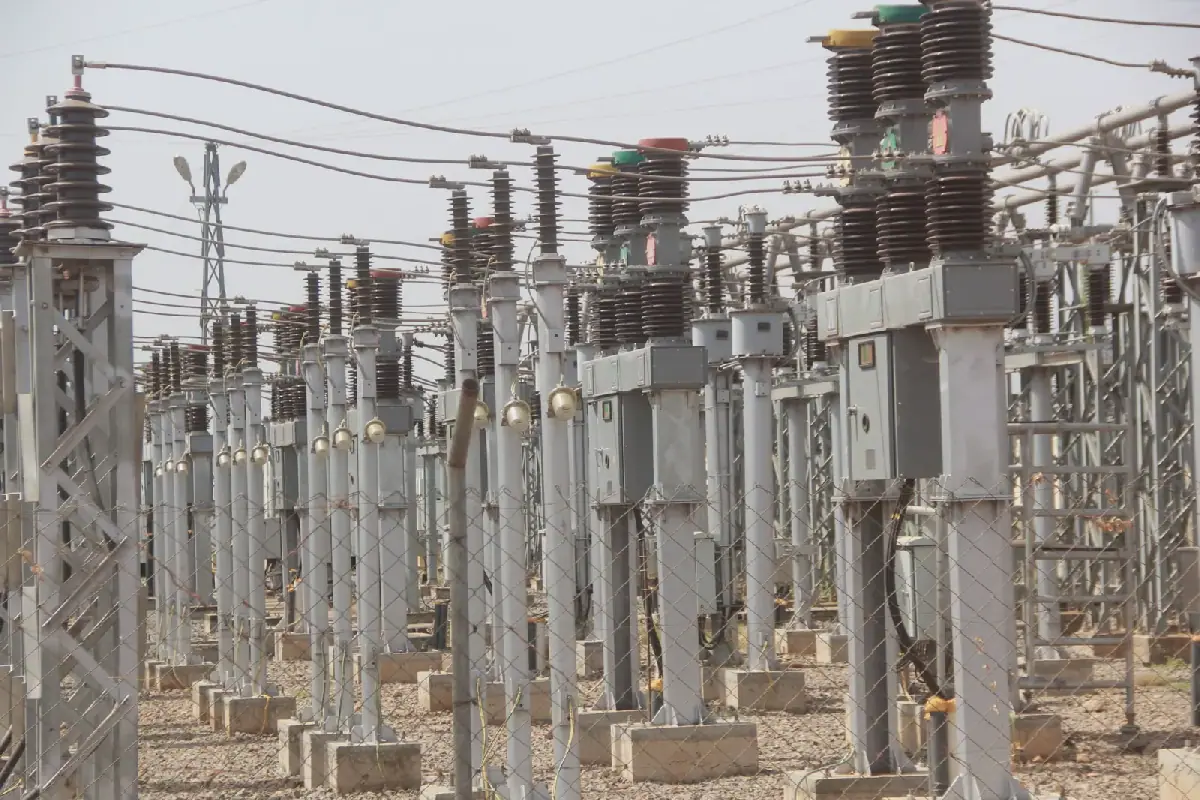
The government of South Sudan has set an ambitious target to increase electricity access from 5.4% to 50% of its population by 2035. This move is part of a broader effort to expand power generation and reduce the country's reliance on diesel-powered generation. According to World Bank data for 2024, South Sudan is among the countries with the lowest electricity access rates globally.
The Undersecretary of Energy and Dams, Madhieu Achuil Mawien, announced the target during the opening of the seventh South Sudan Oil and Power conference in Juba. Mawien emphasized the need for private investment to achieve this goal, calling on investors and development partners to help expand electricity infrastructure through private capital and blended financing.
The current reliance on diesel-powered generation has resulted in high electricity tariffs, with costs reaching as high as 32 US cents per kilowatt-hour. To address this, the government plans to shift towards alternative energy sources, including solar, hydropower, gas-to-power, and regional electricity trade. This diversification of energy sources is expected to reduce costs and increase access to electricity.
The seventh South Sudan Oil and Power conference brings together government officials and industry representatives to discuss investment opportunities in the energy sector. The conference provides a platform for stakeholders to explore ways to support the development of South Sudan's energy sector and achieve the government's ambitious targets.
According to Mawien, the government's plan is to move away from diesel-powered generation and towards more sustainable energy sources. This shift is expected to have a positive impact on the country's economy and improve the quality of life for its citizens. The government is seeking partnerships with private investors and development partners to support the expansion of electricity infrastructure.
The lack of access to electricity is a significant challenge for South Sudan, with many communities relying on diesel generators or other forms of energy. The government's plan to increase electricity access is expected to have a positive impact on the country's economic development and improve the quality of life for its citizens.
The government of South Sudan is committed to achieving its target of increasing electricity access to 50% by 2035. With the support of private investors and development partners, the country aims to make significant progress in expanding its energy sector and reducing its reliance on diesel-powered generation.
Key points
- The government of South Sudan aims to increase electricity access from 5.4% to 50% by 2035.
- The current reliance on diesel-powered generation has resulted in high electricity tariffs.
- The government plans to shift towards alternative energy sources, including solar, hydropower, gas-to-power, and regional electricity trade.