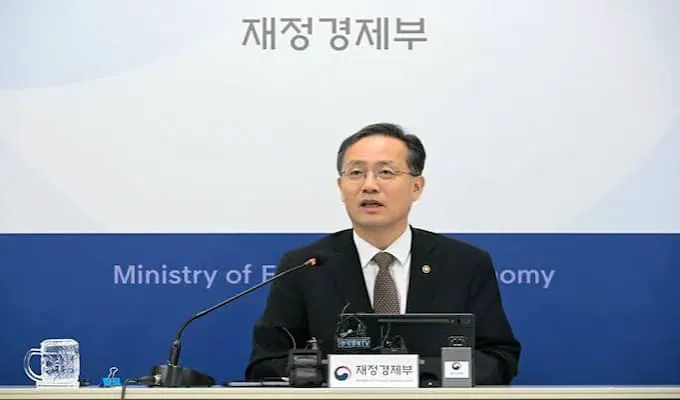
The South Korean government has launched an ambitious plan to invest 1,000 trillion won, approximately $747 billion, in energy transition and decarbonization by 2035. This initiative, known as the Korea-Green Transformation (K-GX) plan, aims to boost renewable energy sources, transform the heavy industry, and create new economic growth drivers. The plan was announced by Finance Minister Lee Hyoung-il.
The K-GX plan includes 200 trillion won in public spending and over 790 trillion won in climate-related financing. Additionally, the private sector is expected to invest 220 trillion won. The plan focuses on stimulating renewable energy sources and reducing carbon emissions. South Korea aims to achieve significant reductions in greenhouse gas emissions and enhance its energy efficiency.
The energy transition plan is part of South Korea's efforts to meet its climate goals and contribute to global efforts to combat climate change. The country aims to transform its economy and industry to be more environmentally friendly and sustainable. The plan is expected to have a positive impact on the economy and create new job opportunities.
The South Korean government's commitment to energy transition and decarbonization is seen as a significant step towards achieving a more sustainable future. The plan's success will depend on effective implementation and cooperation between the government, private sector, and other stakeholders. The K-GX plan is expected to serve as a model for other countries to follow.
South Korea's energy transition plan is also expected to have implications for the global energy landscape. The country's efforts to boost renewable energy sources and reduce carbon emissions could have a positive impact on the environment and contribute to global efforts to combat climate change. The plan's focus on creating new economic growth drivers could also serve as a model for other countries.
The announcement of the K-GX plan has been well-received by environmental groups and industry stakeholders. The plan's focus on sustainability and environmental protection is seen as a positive step towards achieving a more sustainable future. The plan's success will depend on effective implementation and cooperation between the government, private sector, and other stakeholders.
The South Korean government's investment in energy transition and decarbonization is expected to have a positive impact on the country's economy and environment. The plan's focus on creating new economic growth drivers and reducing carbon emissions could serve as a model for other countries to follow. The K-GX plan is a significant step towards achieving a more sustainable future.
Key points
- South Korea's $747 billion energy transition plan aims to boost renewable energy sources and reduce carbon emissions by 2035.