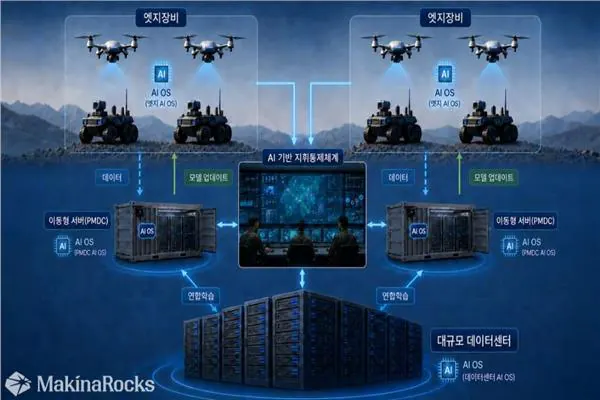
On October 1, 2026, South Korea took a strategic step by announcing the integration of artificial intelligence into its combat networks. This move is intended to boost the speed of decision-making and improve defense capabilities against modern threats. The initiative involves the operational testing of AI systems within the command and control network. This technology allows for the immediate analysis of data from sensors and drones, converting it into precise operational information. Consequently, military leaders will be able to make faster and more accurate decisions in complex combat environments.
The integration of AI into South Korea's combat networks is part of a broader effort to modernize its military by 2030, with a focus on automation and digitalization. This development occurs against the backdrop of rising tensions with North Korea, particularly in the areas of missiles and drones. The incorporation of AI reflects a global trend towards smart, network-centric warfare, where data and real-time analysis become critical components. The project aims to enhance the efficiency and effectiveness of military operations.
The new AI-powered system will enable the South Korean military to analyze vast amounts of data quickly, identify patterns, and predict potential threats. This capability is expected to provide a significant advantage on the battlefield, allowing for more informed decision-making and rapid response to emerging threats. The AI system will also help to reduce the workload of military personnel, enabling them to focus on higher-level decision-making and strategic planning.
Despite the potential benefits, there are concerns about the over-reliance on AI in sensitive military decision-making. Protecting the networks from cyberattacks represents a significant challenge. Experts warn of the possibility of uncontrolled escalation if AI systems make erroneous or unforeseen decisions. Therefore, it is crucial to implement robust safeguards and ensure that AI systems are designed and tested to operate within well-defined parameters.
The integration of AI into South Korea's combat networks is a significant development in the country's efforts to enhance its military capabilities. The move is part of a broader trend towards the use of AI in military applications, with other countries also exploring the potential benefits and challenges of this technology. As the use of AI in military contexts continues to evolve, it is likely to have a profound impact on the nature of modern warfare.
The South Korean military has already begun testing the AI system in a pilot program, with plans to expand its use in the coming years. The development of this technology is also expected to have spin-off benefits for other areas, such as cybersecurity and data analysis. However, the use of AI in military decision-making also raises important questions about accountability, transparency, and the potential for bias in AI systems.
In conclusion, South Korea's integration of AI into its combat networks represents a significant step forward in the country's efforts to modernize its military and enhance its defense capabilities. While there are challenges and risks associated with this technology, its potential benefits are substantial. As the use of AI in military applications continues to evolve, it is likely to have a profound impact on the nature of modern warfare and the way that military decisions are made.
Key points
- South Korea's integration of AI into combat networks aims to enhance decision-making speed and defense capabilities.
- The move reflects a global trend towards smart, network-centric warfare.
- Concerns exist about over-reliance on AI in sensitive military decision-making and the potential for uncontrolled escalation.