The Southern African Fraud Prevention Service (SAFPS) has issued a warning to consumers about scams where fraudsters use personal details to gain their trust. These scammers often impersonate banks, government officials, and service providers to pressure victims into handing over banking information or transferring money. According to SAFPS chief executive Manie van Schalkwyk, fraudsters exploit information they have about their targets to make their approaches appear legitimate.
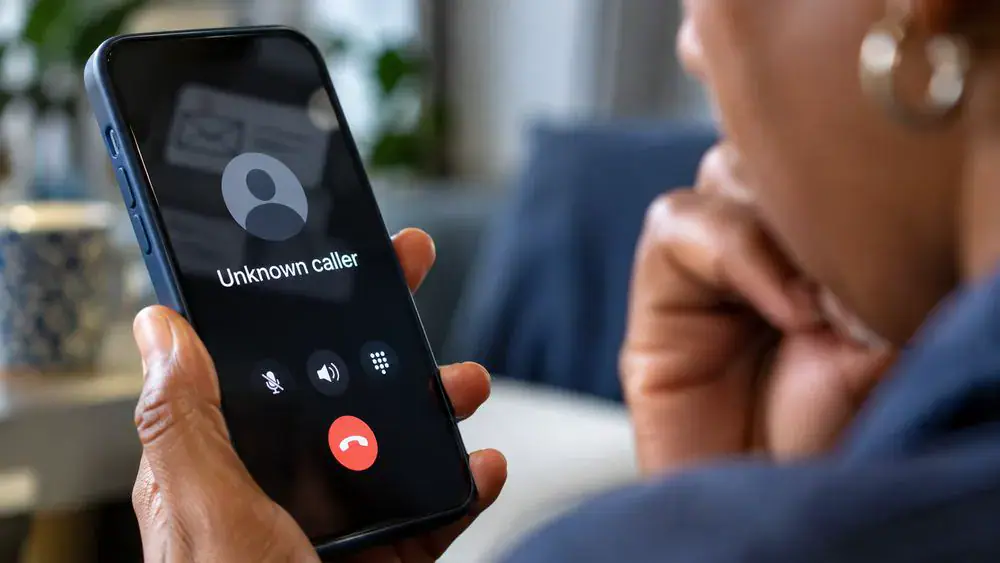
One of the tactics highlighted by the SAFPS is vishing, or voice phishing, where fraudsters use phone calls to impersonate legitimate organisations. They may claim there is suspicious activity on a bank account, an unauthorised SIM swap, or a security problem requiring urgent attention. By using personal information, callers can make their stories sound credible and pressure people into acting before they have time to verify the claims.
The SAFPS has previously warned consumers about vishing scams and urged them to end suspicious calls rather than engage with callers. A similar tactic was reported in Cape Town when a scammer used a large electricity user's correct City of Cape Town account number in a WhatsApp payment demand. The customer was asked to pay the money into a personal FNB account.
Statistics South Africa's Governance, Public Safety and Justice Survey for 2024/25 recorded an estimated 811,000 consumer-fraud incidents involving 566,000 individuals. About 34.9% of those affected reported some or all incidents to police. The 2026 State of Scams in South Africa Report found that 85% of respondents had encountered a scam in the preceding year, while 54% of all respondents had interacted with a scammer.
The SAFPS is also warning consumers about fake emails, websites, online marketplaces, pop-up messages, and advertisements during the festive shopping period. Fraudsters may send messages pretending to come from courier companies, customs officials, or the South African Post Office, claiming that a delivery requires an additional payment. Travel-related scams are another risk, with criminals advertising fake accommodation, holiday packages, and airline tickets.
Van Schalkwyk advises consumers to use reputable providers and verify offers before making payments. He also recommends that people who receive suspicious calls should end the conversation and contact the organisation directly using its official contact details. Consumers should never disclose banking passwords, credentials, or one-time PINs to someone who contacts them unexpectedly and claims to represent a bank or other institution.
The SAFPS encourages younger people to help relatives and older generations understand emerging digital threats, while reminding victims that they should not feel ashamed or isolated. Consumers can report suspected scams through the Yima platform or by calling 083 123 SCAM (7226). The SAFPS says the platform enables reports to be made directly to banks and the South African Police Service (SAPS).
Key points
- Fraudsters use personal information to establish credibility and make their approaches appear genuine.
- The SAFPS warns consumers to be cautious of deals that seem too good to be true and to verify offers before making payments.
- Consumers are advised to end suspicious calls and contact the organisation directly using its official contact details.