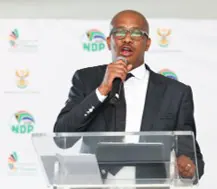
South Africans are being urged to use the lessons of history to strengthen democracy, defend freedom, and build a more inclusive future. Deputy Minister in the Presidency Kenny Morolong made this call during the North West launch of the Milestones of Freedom campaign. The campaign provides an opportunity for citizens to reflect on the country's democratic journey while acknowledging the work that remains to address poverty, inequality, and unemployment.
The Milestones of Freedom Campaign, launched by President Cyril Ramaphosa in June, brings together four significant milestones in South Africa's path to democracy. These include the 30th anniversary of the adoption of the Constitution, the 50th anniversary of the 1976 youth uprising, the 70th anniversary of the 1956 Women's March, and the 60th anniversary of the forced removals from District Six. Morolong noted that the campaign serves to remind citizens that their past is vitally important in shaping their democratic future.
Morolong highlighted the devastating consequences of forced removals, citing the Group Areas Act, which led to communities like Makweteng in North West suffering under apartheid-era legislation. He noted that the democratic government has sought to address these consequences through land restitution, with 83,205 land claims settled nationally between 1998 and 2024, and 3,981 claims settled in the North West. The government has invested R58 billion in land purchases, grants, and financial compensation, supporting 376,976 beneficiaries across the country.
The Deputy Minister also cited gains made since the advent of democracy, including expanded access to sanitation, electricity, water, housing, and social protection. Access to improved sanitation nationally has increased from 61.7% in 2002 to 84% in 2025, while in North West it rose from 54.1% to 78.8% over the same period. Household access to electricity increased from 76.7% nationally in 2002 to 90.6% in 2025, while North West recorded growth from 82% to 90.9%.
Morolong paid tribute to the women who led the 1956 anti-pass protests, including North West-born struggle stalwarts Dr Ruth Segomotsi Mompati, Rita Ndzanga, and Josie Mpama. He called on men to play a leading role in combating violence against women and children, stating that they need to be at the forefront of the fight against gender-based violence and femicide.
The Deputy Minister also honoured the legacy of the youth of 1976, describing them as active participants in the struggle for freedom whose sacrifices continue to inspire efforts to transform education and expand opportunities for young people. He emphasised that their memory must continue to challenge citizens to invest in young people, not just as beneficiaries of democracy, but as builders of South Africa's next chapter.
Morolong concluded by stating that the Milestones of Freedom Campaign calls on citizens to honour the past, defend the truth of their history, draw strength from the courage of those who came before them, and deliver a better future for everyone. The campaign aims to strengthen national memory of the milestones that led to South Africa's freedom and to teach future generations that democracy was not handed to them, but was won through organised resistance, sacrifice, and courage.
Key points
- The Milestones of Freedom Campaign serves to remind citizens that their past is vitally important in shaping their democratic future.
- The campaign brings together four significant milestones in South Africa's path to democracy, including the 30th anniversary of the adoption of the Constitution and the 50th anniversary of the 1976 youth uprising.
- Deputy Minister Morolong urged citizens to use the lessons of history to strengthen democracy, defend freedom, and build a more inclusive future.