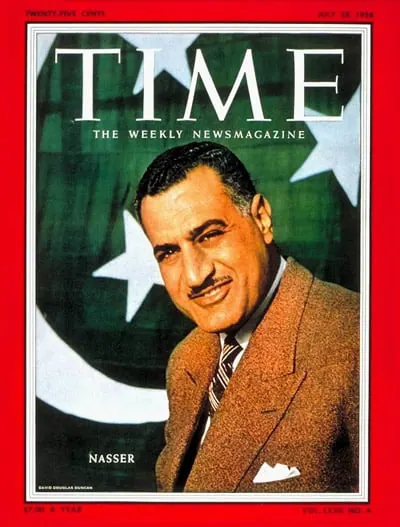
Gamal Abdel Nasser Hussein, the former President of Egypt, is remembered by South Africans for his significant impact on African history. As a key figure in the Non-Aligned Movement, Nasser played a crucial role in shaping Egypt's and Africa's political landscape. His presidency, which lasted from 1956 to 1970, was marked by several notable achievements, including the construction of the Aswan Dam, a massive hydroelectric project that harnessed the power of the Nile River.
Nasser's leadership and vision for Egypt and Africa continue to inspire many South Africans. During his presidency, Nasser implemented several policies aimed at modernizing Egypt's economy and infrastructure. He also played a key role in promoting African unity and independence, hosting several international conferences and meetings that brought together leaders from across the continent. His legacy as a champion of African nationalism and anti-colonialism remains strong.
The Aswan Dam, one of Nasser's most ambitious projects, was a significant achievement that showcased Egypt's engineering prowess. The dam, which was completed in 1971, created a massive lake, Lake Nasser, and provided hydroelectric power to millions of Egyptians. The project was a testament to Nasser's commitment to modernizing Egypt's infrastructure and promoting economic development.
Nasser's impact on South Africa was also significant, particularly during the apartheid era. Many South African anti-apartheid activists and leaders, including Nelson Mandela, drew inspiration from Nasser's fight against colonialism and his advocacy for African unity. Nasser's government also provided support to several African liberation movements, including the African National Congress (ANC).
In South Africa, Nasser's legacy continues to be celebrated by many who see him as a champion of African nationalism and anti-colonialism. His commitment to promoting African unity and independence has inspired generations of South African leaders and activists. Despite the passage of time, Nasser's impact on African history remains significant, and his legacy continues to be felt across the continent.
Albe Grobbelaar, a South African commentator, recently reflected on Nasser's legacy, highlighting his achievements and impact on African history. Grobbelaar noted that Nasser's presidency was marked by several significant accomplishments, including the construction of the Aswan Dam and his advocacy for African unity. He also praised Nasser's commitment to promoting economic development and modernizing Egypt's infrastructure.
As South Africans continue to reflect on Nasser's legacy, his impact on African history remains significant. His commitment to promoting African unity and independence has inspired generations of leaders and activists. The Aswan Dam, one of his most ambitious projects, continues to provide hydroelectric power to millions of Egyptians. Nasser's legacy as a champion of African nationalism and anti-colonialism remains strong, and his impact on South Africa continues to be felt.
Key points
- Gamal Abdel Nasser Hussein's legacy as a champion of African nationalism and anti-colonialism remains strong in South Africa.