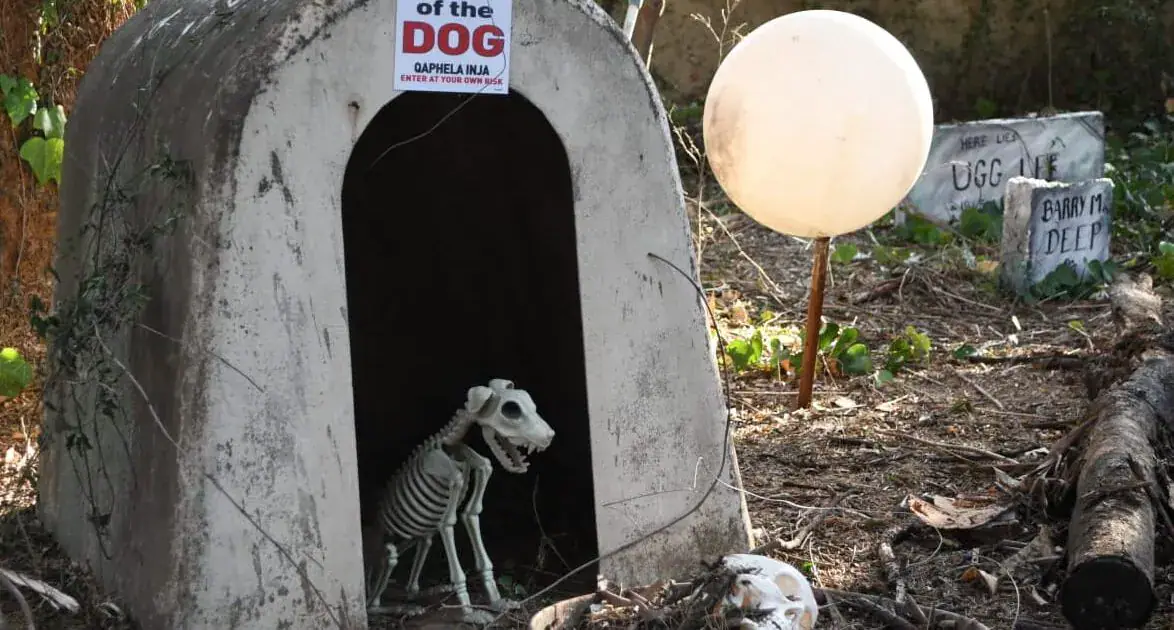
Halloween, a holiday once predominantly celebrated in the United States, has gained significant popularity globally, including in South Africa. The festive occasion, which has its roots in an ancient Celtic pagan festival and Christian medieval holy days, has become a mainstream celebration that brings communities together. In Johannesburg, ceramicist Mandi Friedman, who was born on Halloween, has been hosting an annual Halloween celebration as part of the Linden Meander events.
This year's event, titled "Dr Frankenstein's Laboratory of Curiosities," promises to be an exciting experience with a cabinet of curiosities, live music, dinner, and a comedy horror movie. Friedman has sculpted a custom Frankenstein lamp for the event, while her studio partner is making a brain and a corpse. The event aims to showcase the creativity and community spirit of the suburb. Friedman enjoys the macabre and Halloween celebrations, saying it's just a bit of fun and an opportunity to do something different.
For Dani Getz, the appeal of Halloween lies in creating memories with her 10-year-old son. They started celebrating Halloween when her son was seven years old, and it has become a tradition for them to participate in neighborhood events. Getz and her husband take a carload of children to fun Halloween events, where they dress up and accumulate sweets. This year, they are hosting a Halloween party, complete with a "spooky" themed room, games, and treats.
While some people may have concerns about the origins of Halloween, Rabbi Ari Kievman of Chabad Sandton Central says that as Halloween has historical roots in pagan and folk customs, Jews generally don't participate in celebrations around it. However, he suggests that if one is drawn to the spooky, playful side of Halloween, they can find alternative ways to celebrate, such as enjoying post-holiday sales on horror-themed goodies.
Kievman emphasizes the importance of being mindful of the traditions adopted and the values communicated to children. He suggests that Purim, a Jewish festival that celebrates joy, heroes, and giving gifts, is a more suitable occasion for costumes and fun. Ultimately, not marking Halloween is not about denying oneself enjoyment but about finding ways to enjoy fun without adopting a celebration that isn't part of one's tradition.
Despite the historical and cultural concerns surrounding Halloween, many South Africans are embracing the holiday with enthusiasm and creativity. Friedman, Getz, and their families are examples of people who have made Halloween a fun and enjoyable experience. The holiday has become an opportunity for communities to come together and celebrate.
As Halloween continues to gain popularity in South Africa, it is clear that the holiday has become a mainstream celebration that brings people together. With its creative and fun events, Halloween has become an exciting experience for many South Africans.
Key points
- Halloween celebrations have become increasingly popular in South Africa, with events and parties being hosted across the country.