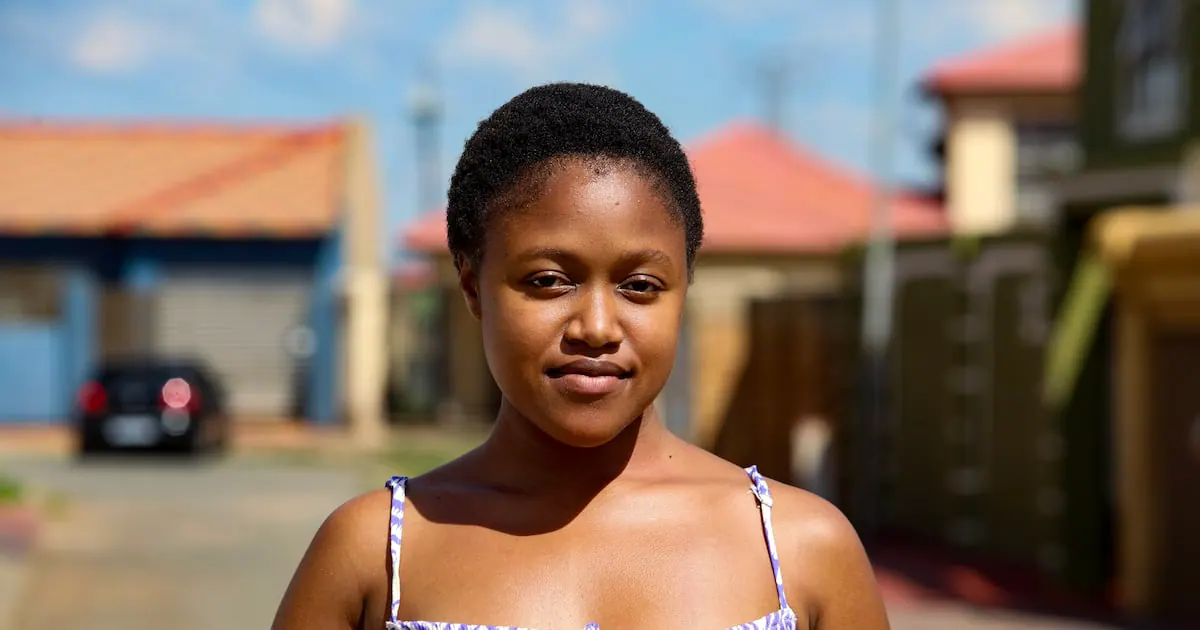
As South Africa prepares for the local government elections next month, young voters are expressing a mix of hope and frustration. Many are disillusioned with the current state of affairs, citing high unemployment, crime, and poor service delivery as major concerns. Despite these challenges, some young voters remain hopeful that the elections can bring about change. Lethabo Dlamini, a 24-year-old student at Wits University, exemplifies this ambivalence, stating that while he understands the importance of voting, he is not excited about the upcoming elections due to the perceived dominance of one party.
For Ntokozo Mtshali, 19, from Mndeni, Soweto, voting is a crucial aspect of democracy, as it provides an equal platform for all citizens to have a say, regardless of economic standing. Mtshali, who is currently upgrading her marks, has started her own business, a nail boutique, and believes that her vote matters. Her attitude towards the election is neutral, not due to apathy, but because she is tired of facing the same challenges. She hopes that her vote will contribute to a better future for South Africa.
Esrael Siane, 29, who runs a daycare centre, is hopeful that the country's leaders will listen to the voice of the electorate. He believes that the elections provide an opportunity for citizens to reflect on the country's progress and future direction. However, he acknowledges that many young people are frustrated with challenges such as unemployment, crime, poverty, and poor service delivery. Siane has faith that the leaders will deliver on their promises and make a positive impact on the lives of South Africans.
Lehlohonolo Kolong, 20, a logistics student at South West Gauteng TVET college, views the elections as a chance to elect leaders who will improve service delivery. He criticizes the government's handling of illegal immigration, stating that there are too many foreigners in the townships, which he believes indicates that the government is not working in favour of its citizens. Kolong is eager to vote and believes that his vote can make a difference in addressing the challenges faced by South Africa.
Aphiwe Radebe, 25, believes that the upcoming elections will give communities the opportunity to pass judgment on councillors. She thinks that if a councillor is failing to deliver services, they do not deserve to be re-elected. Radebe is looking forward to supporting a party that will provide opportunities for young people, as she is currently unemployed despite having qualifications. She is concerned that many political parties make promises during election campaigns but fail to fulfil them once in power.
Happiness Mphamba, 22, a teacher, has mixed feelings about the elections. She has little hope in the current political parties and is unsure which party will bring about change. Despite being registered to vote, Mphamba has not read any party manifestos and is still making up her mind about who to vote for. She expresses concerns about the DA's manifesto, particularly the wall being built in Cape Town to separate poor people, and is also sceptical about the ANC's ability to effect change.
The diverse views of these young South Africans reflect the complexity of the country's youth regarding the upcoming local government elections. While some are eager to exercise their right to vote, others are disillusioned with the current state of affairs. As the elections approach, it remains to be seen whether the voices of these young voters will be heard and whether their concerns will be addressed by the country's leaders.
Key points
- Young South Africans are frustrated with unemployment, crime, and poor service delivery.
- Despite challenges, some young voters remain hopeful that the elections can bring about change.
- The upcoming elections will give communities the opportunity to pass judgment on councillors and elect new leaders.