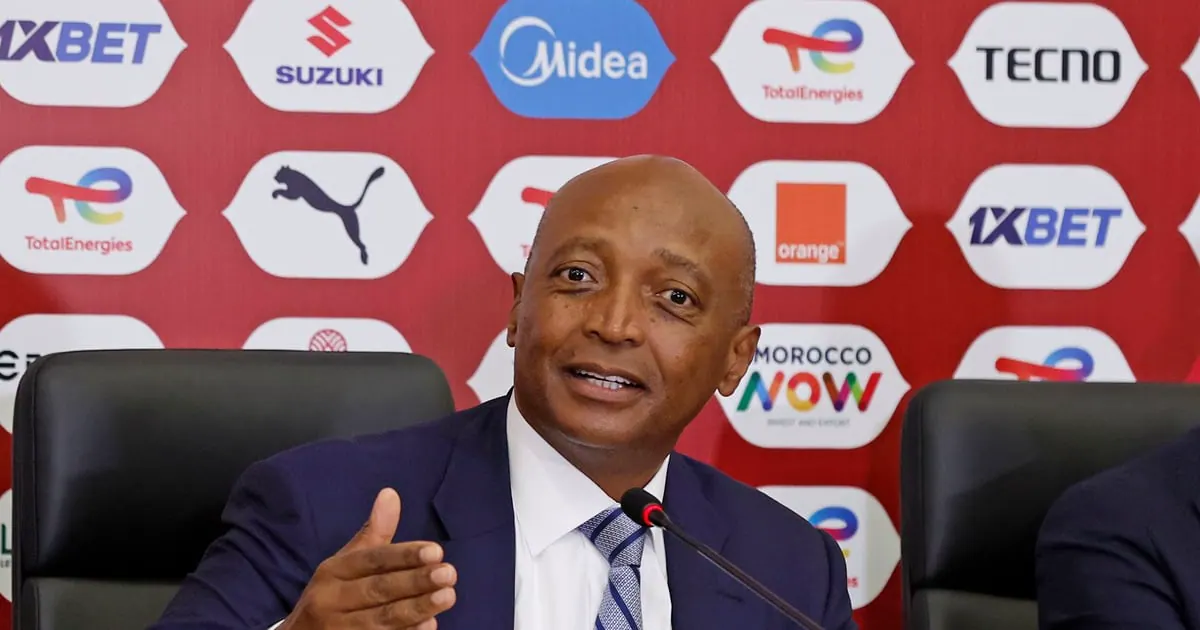
A new poll conducted by News24 and SABI has revealed that Patrice Motsepe, a mining magnate and football club owner, is currently the most popular political figure in South Africa. This development has sparked discussion about the country's leadership priorities and what voters value in their politicians. Motsepe's popularity has been linked to his perceived freshness and excitement, which contrasts with the tarnished images of traditional politicians. His ownership of the Mamelodi Sundowns football team, which recently won the CAF Champions League, has also contributed to his appeal.
The poll also showed that other prominent figures, including Fikile Mbalula and Paul Mashatile, enjoy significant favourability ratings despite their controversies. Mbalula, in particular, has a 29% favourability rating, which has raised questions about voters' expectations and priorities. Additionally, former President Jacob Zuma still maintains a 37% favourability rating, highlighting the complexities of South African politics and the diverse opinions among voters. These ratings suggest that voters may be prioritizing style over substance in their evaluations of politicians.
The poll's findings have been interpreted as a reflection of South African voters' desire for new and exciting leadership. According to the author, voters are seeking "vibes" and excitement from their politicians, rather than traditional qualifications or experience. This trend is seen as a shift away from the African National Congress (ANC) and towards alternative forms of leadership. The ANC has been struggling with internal conflicts and corruption scandals, which may have contributed to voters' disillusionment with traditional politics.
Patrice Motsepe's lack of political experience has been cited as a potential concern. While he has been involved in various business and sports ventures, his background is not rooted in politics. This has led some to question whether he has the necessary skills and expertise to lead the country effectively. However, his popularity suggests that voters may be willing to overlook this lack of experience in favour of his perceived freshness and excitement. Motsepe's business acumen and success in the sports industry may also be seen as assets in the eyes of voters.
The poll's results have also been linked to a broader trend of voters seeking alternatives to traditional politics. The emergence of new organisations and movements, such as March and March, and Ernst Roets' call for external mediation, suggests that some voters are becoming disillusioned with the current political system. This trend may have significant implications for the future of South African politics and the country's leadership landscape. Voters may be increasingly open to unconventional leaders and approaches.
The author of the article argues that the current standards of African leadership are contributing to the popularity of figures like Motsepe. At 64 years old, Motsepe is seen as relatively youthful and dynamic compared to many other African leaders. His business success and sports ownership have also contributed to his appeal. However, the author notes that Motsepe's lack of political experience and his focus on wealth creation may not be sufficient to address the country's complex challenges.
As South Africa continues to navigate its complex politics, the poll's findings serve as a reminder of the shifting priorities and expectations of voters. The country's leadership landscape is likely to evolve in response to these changing demands, with potentially significant implications for the future of politics in South Africa. The poll's results highlight the need for politicians to adapt to changing voter expectations and priorities.
Key points
- Patrice Motsepe's popularity reflects a desire for new and exciting leadership in South Africa.
- The poll's findings suggest that voters may be prioritizing style over substance in their evaluations of politicians.
- The emergence of new organisations and movements reflects a growing disillusionment with traditional politics.