Labour unions and a civil society group in South Africa have accused the government of prioritizing a political patronage network over the needs of struggling citizens. The criticism follows revelations that the state spends up to R84,000 per month per person to rent luxury homes for ministers and their deputies. This practice has sparked outrage, with many questioning the government's priorities amid rising costs of living and economic hardship.
According to the department of public works and infrastructure, the government allocates over R7.4m annually to rent houses in Cape Town and Pretoria for at least nine ministers and deputy ministers. This move has been condemned by Zwelinzima Vavi, leader of the South African Federation of Trade Unions, who argues that it demonstrates the government's insensitivity to the struggles of South Africans. Vavi believes the increased number of cabinet members is primarily aimed at benefiting the ANC's comrades.
Vavi further criticized the bloated cabinet, citing the ANC-led department of labour and employment, where both deputies are also ANC members. He described the expanded cabinet as a patronage network designed to benefit ANC factions at the expense of workers and the poor. Vavi also questioned President Cyril Ramaphosa's decision to increase the cabinet size, despite initial promises to reduce it as part of his anti-corruption efforts.
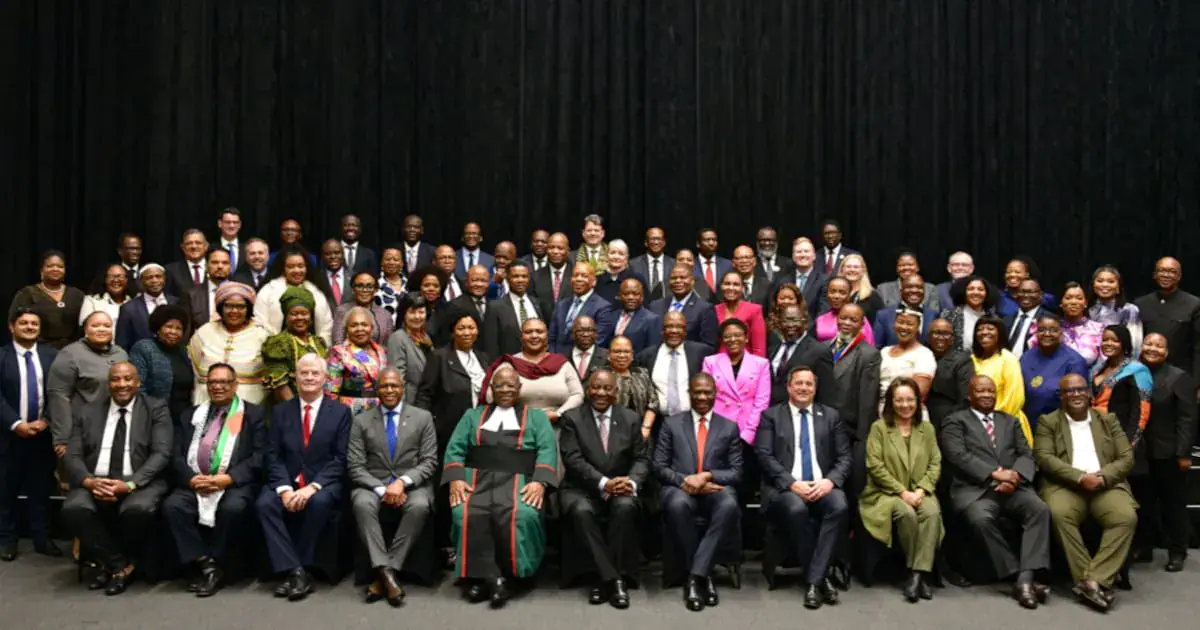
The Government of National Unity (GNU) currently has 75 ministers and deputies, compared to 66 in the previous administration. Vavi argues that this increase has not resulted in greater value to society, instead citing rising unemployment, poverty, and inequality. Wayne Duvenage, CEO of the Organisation Undoing Tax Abuse, also criticized the government's rental agreements, suggesting that deputy minister positions should be reduced.
Duvenage recommended that the presidency consider removing all deputy minister positions, except in complex ministries such as finance. He emphasized that the government should address these rental agreements and prioritize more pressing needs. Matthew Parks, parliamentary coordinator for the Congress of South African Trade Unions, echoed these sentiments, suggesting that funds allocated for luxury rentals could be better spent on frontline workers.
Parks emphasized the need for government to lead by example, demonstrating modesty in its spending habits, particularly when asking citizens to tighten their belts. The criticism from labour unions and civil society groups highlights the growing discontent with the government's priorities and spending habits. As the country grapples with economic challenges, many are calling for greater accountability and transparency in government spending.
The controversy surrounding luxury rentals for ministers has sparked a renewed debate about government accountability and the need for fiscal responsibility. As the government faces pressure to address these concerns, it remains to be seen whether it will take steps to reduce the number of deputy ministers and reallocate funds to more pressing needs. For now, labour unions and civil society groups will continue to scrutinize government spending habits, pushing for greater transparency and accountability.
Key points
- Government spends R7.4m annually on luxury rentals for ministers and deputies
- Labour unions criticize government's insensitivity to citizens' economic struggles
- Calls for reduced number of deputy ministers and reallocation of funds to frontline workers