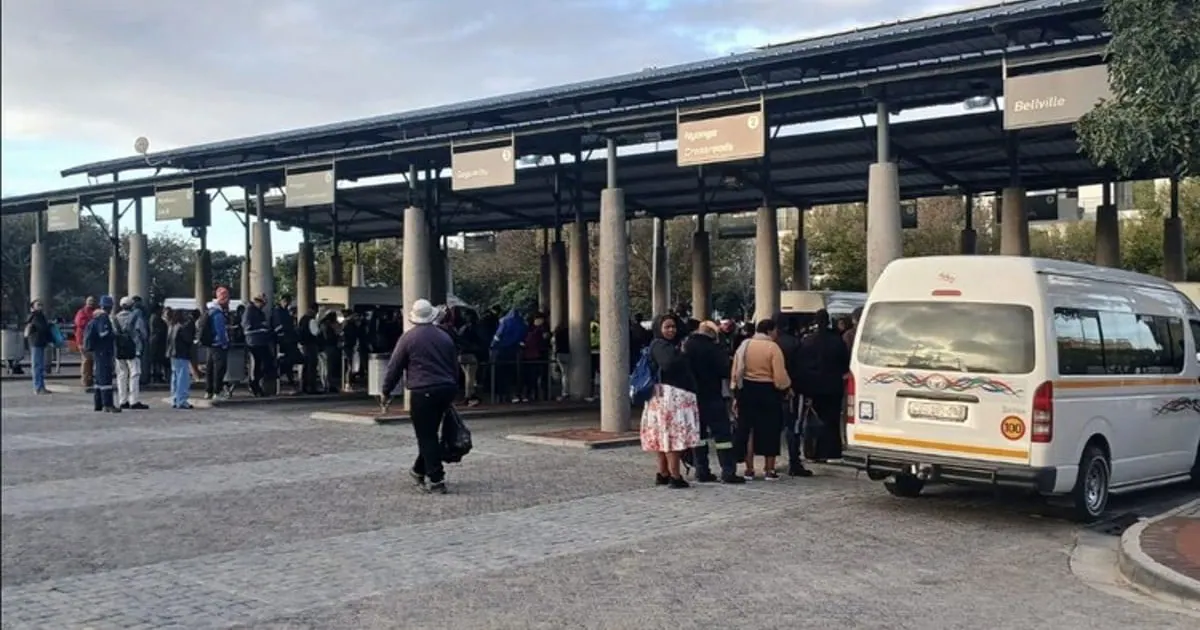
The South African National Taxi Council (SANTACO) is set to engage the government, fuel industry, and taxi operators following the latest fuel price hike. From midnight, diesel prices will rise to as much as R33 a litre for the first time, while petrol will top R30 a litre. This development has significant implications for the taxi industry and commuters. SANTACO spokesperson Mmatshikhidi Phala stated that the council wants to explore possible cushioning measures with the fuel industry through the sector's collective buying power.
The rising fuel prices have sparked concerns about potential taxi fare increases. However, SANTACO has not yet made any announcements regarding fare hikes. According to Phala, the council recognises that any adjustment to fares has a direct impact on commuters and therefore believes that all possible options must first be explored before a position is reached. This approach aims to mitigate the effects of the fuel price increase on both taxi operators and commuters.
The fuel price hike has far-reaching consequences beyond the taxi industry. The Automobile Association (AA) has suggested that the government has more room to cushion consumers against the impact of rising fuel prices. Meanwhile, the Congress of South African Trade Unions (Cosatu) has called for fuel levy relief. These developments highlight the need for a comprehensive strategy to address the challenges posed by soaring fuel prices.
The impact of rising fuel prices is being felt across various sectors. School bus drivers have gone on strike, citing the increased fuel costs as a major concern. The Western Cape Education Department (WCED) has expressed concern that learners are being used as 'pawns' in the dispute. These developments underscore the need for a coordinated response to address the challenges posed by rising fuel prices.
SANTACO's efforts to engage the government, fuel industry, and taxi operators aim to find solutions to mitigate the impact of rising diesel prices. The council's approach involves exploring possible cushioning measures, including collective buying power, to reduce the effects of the fuel price hike. This strategy may help to minimise the impact on commuters and taxi operators.
The Road Accident Fund (RAF) has released its annual report, which reveals that more than half of open RAF claims are now older than 5 years. This development highlights the need for efficient claims processing and effective management of the fund. Meanwhile, the South African Police Service (SAPS) has uncovered a multi-million rand Mandrax lab near Hartbeespoort in North West.
As the country navigates the challenges posed by rising fuel prices, various stakeholders are working to find solutions. The taxi industry, government, and fuel industry are engaging to explore possible measures to cushion the impact of soaring diesel prices. Key stakeholders will be monitoring the situation closely to ensure that any adjustments to fares or other measures are implemented in a fair and equitable manner.
Key points
- SANTACO to engage government, fuel industry, and taxi operators to explore cushioning measures
- Diesel prices to rise to as much as R33 a litre, petrol to top R30 a litre
- Potential taxi fare increases have not been ruled out, but all options to be explored first