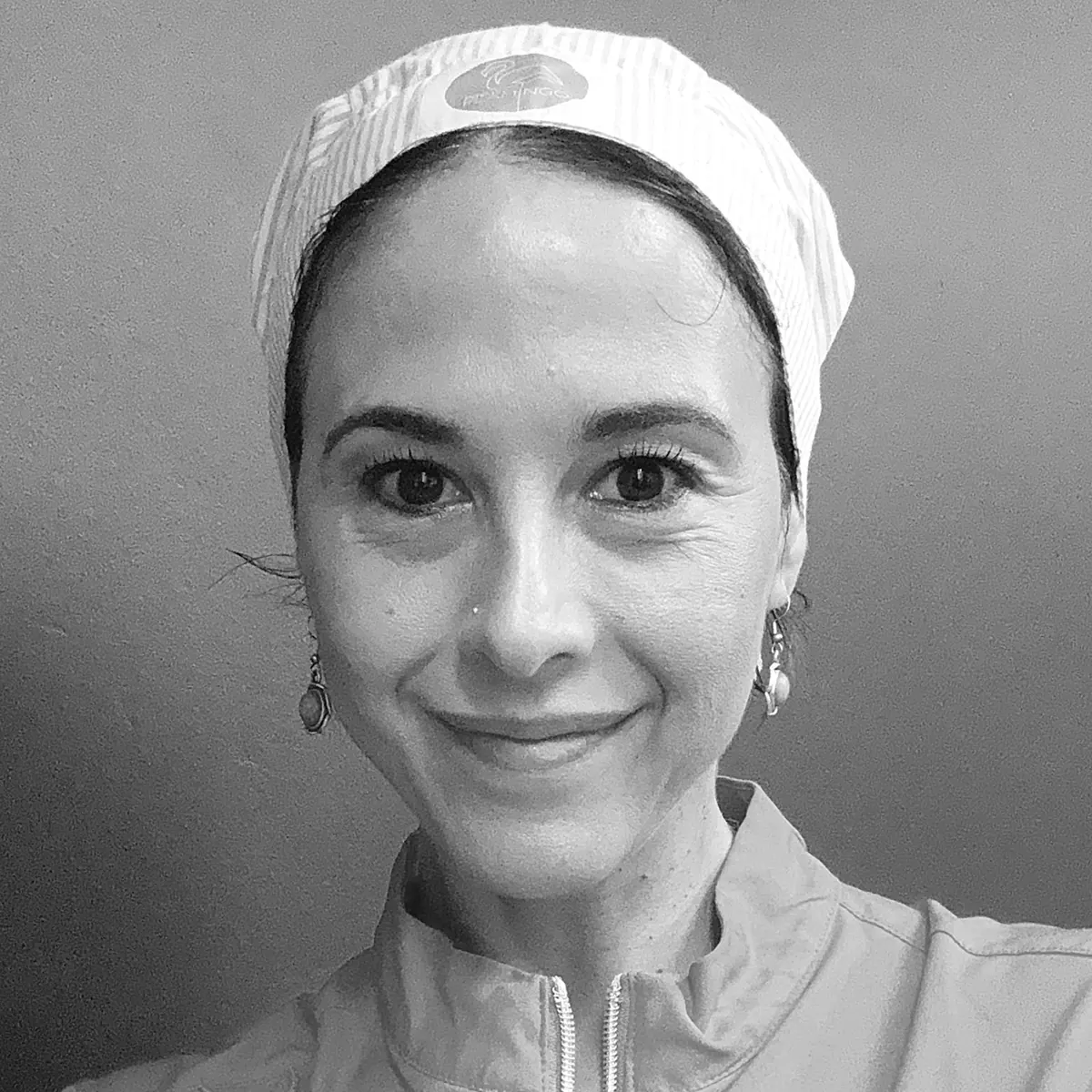
Dr. Liana Roodt, a specialist breast and endocrine surgeon in Cape Town, will wear black this October for Breast Cancer Awareness Month. She will do so not as a symbol of despair, but as an act of reflection and grief for the preventable suffering she sees daily in her work. As a surgeon working in both public and private sectors, Dr. Roodt is all too familiar with the failures of the healthcare system.
Dr. Roodt's experiences with patients have led her to become increasingly frustrated with the status quo. She has fielded over 200 urgent requests for help in the past three months alone through her NGO, Project Flamingo, and the Cancer Alliance of South Africa. These requests often involve women waiting months for imaging, biopsies disappearing into administrative voids, and families traveling long distances for a single appointment.
The problems in the healthcare system are well-documented, with numerous reports from the Auditor-General, Special Investigating Unit, and Health Ombud highlighting the issues. Despite these findings, the problems persist, and Dr. Roodt argues that it is not a matter of understanding the problem, but rather why the country tolerates it. She believes that the greatest threat to the healthcare system is that people are becoming comfortable watching it fail.
Dr. Roodt suggests that if elected representatives, senior health administrators, and policymakers had to rely on public hospitals for their own healthcare needs, the system would likely change. She argues that accountability would become urgent if those in power were directly affected by the failures of the system. It is only when the patient is someone we love that we begin to care, Dr. Roodt notes.
The issue is not just about breast cancer, but about the broader social and economic context in which patients live. Dr. Roodt notes that the women she treats carry far more than just a diagnosis, often struggling with poverty, violence, food insecurity, and impossible choices. A society that fails to protect women before they fall ill should not be surprised when it struggles to care for them afterwards.
Dr. Roodt is not criticizing public healthcare or the healthcare workers who are trying to make the system work. Rather, she is defending the principle that everyone deserves timely, dignified cancer care, regardless of their background or financial situation. She argues that asking a few good people to deliver extraordinary care inside a dysfunctional system is not resilience, but rather institutional neglect.
Ultimately, Dr. Roodt believes that awareness without action changes little. She hopes that by wearing black this October, she can draw attention to the need for accountability and change in the healthcare system. By mourning the preventable suffering that has become normal, Dr. Roodt hopes to inspire action and ensure that patients, healthcare workers, and the most vulnerable members of society receive the care they deserve.
Key points
- A South African breast cancer surgeon is wearing black this October to draw attention to preventable suffering in the country's healthcare system.