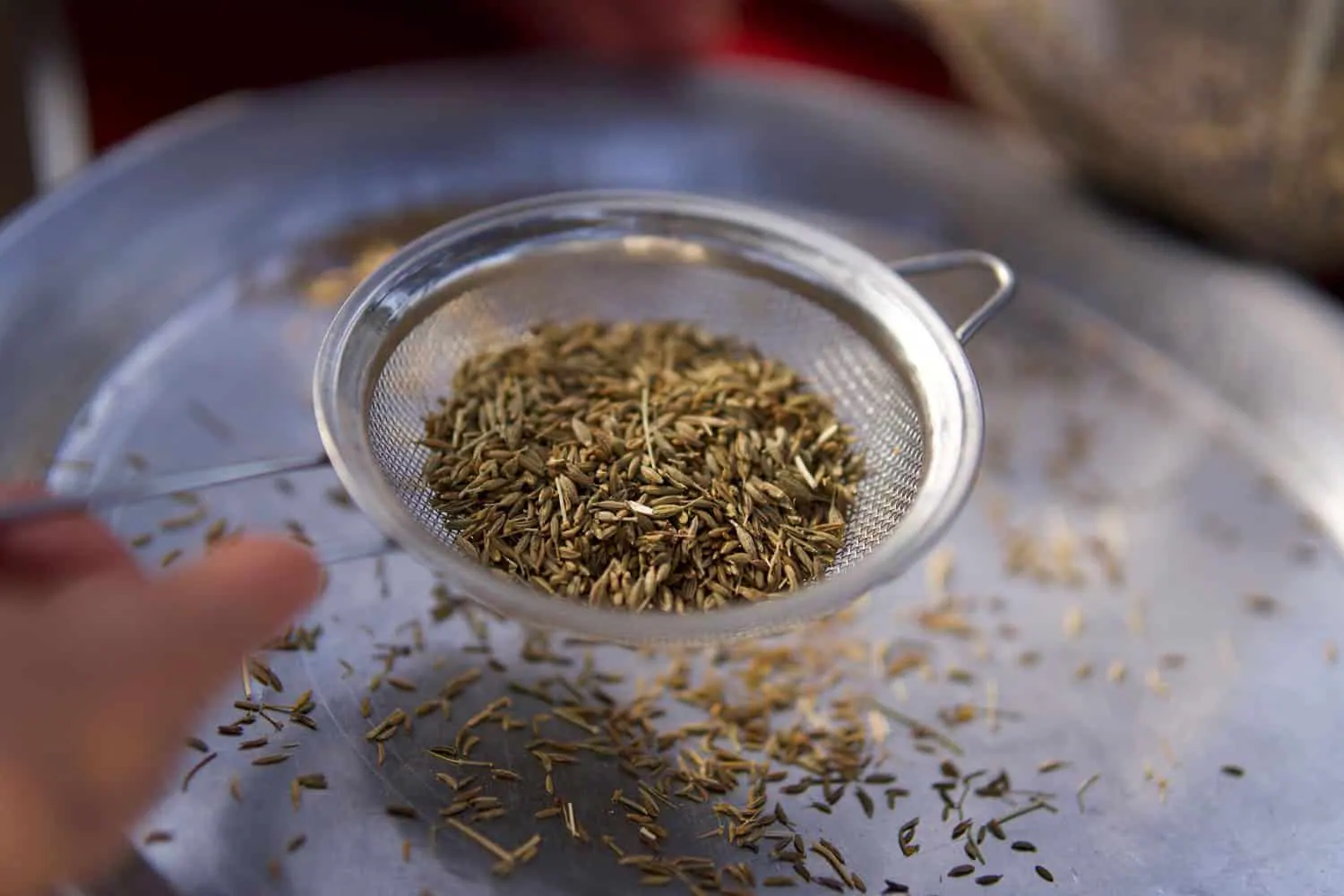
In a historic first for South Africa, two batches of rooibos seeds will be launched into space aboard a SpaceX Falcon 9 rocket to the International Space Station (ISS) in October. The seeds, which are indigenous to South Africa and grow naturally in the rugged Cederberg mountains, will orbit Earth for approximately six weeks before returning to South Africa. This experiment aims to investigate how the plant responds to the extreme conditions of space.
The project, led by the South African Rooibos Council (SARC) in collaboration with MaxIQ Space and endorsed by the South African National Space Agency (SANSA), seeks to determine whether exposure to space conditions affects the germination, growth, resilience, and yield of rooibos seeds. Researchers will compare the space-exposed seeds with control samples that remained on Earth. The rooibos plant is now exported to more than 50 countries and is a significant South African product.
The experiment will also bring space science into classrooms in the Cederberg region. Once the seeds return to Earth, pupils from seven schools in the region will plant and monitor them on local rooibos farms. A parallel experiment at Parklands College in Cape Town will provide additional comparative data. The pupils will track the plants' development, monitoring germination, seedling establishment, root development, and other growth indicators.
For Joekels, the company behind Laager Rooibos and a member of the SARC, this project is an opportunity to highlight the international journey of a distinctly South African product. "Rooibos has always been rooted in South African soil, but this initiative shows that its story is still reaching new heights," says Candice Sessions, Marketing Manager at Joekels.
The research could contribute to the broader global understanding of how plants respond beyond Earth as space agencies investigate ways of growing food, generating oxygen, and supporting future human missions. The project's findings may have implications for sustainable agriculture and space exploration. Joe Swart, Joekels co-founder and SARC board member, said the project represented a significant milestone for the industry.
The rooibos seeds are scheduled to launch this month and will return to Earth after their approximately six-week journey to the ISS. Sessions said that this project connects three things central to Rooibos' story: South Africa's land, its children, and its future. The experiment embodies the idea that even a small seed can take us further than we ever imagined when placed in the right conditions.
Key points
- The rooibos seeds will be launched into space aboard a SpaceX Falcon 9 rocket to the ISS in October.
- The experiment aims to investigate how rooibos responds to space conditions and its effects on germination, growth, resilience, and yield.
- The project will also bring space science into classrooms in the Cederberg region, promoting STEM education and inspiring future scientists.