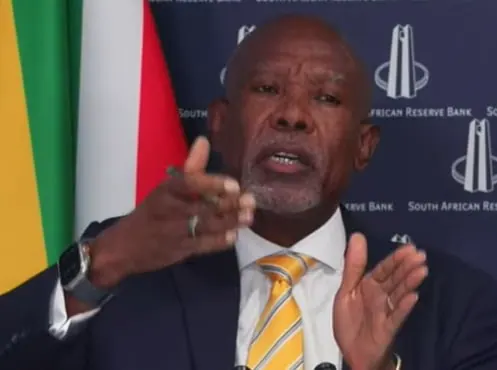
The South African Reserve Bank, led by Governor Lesetja Kganyago, has decided to maintain the current interest rate, a move that has caught some economists off guard. The decision was made during a meeting on September 23, and it is seen as a reflection of the bank's cautious approach to monetary policy. The interest rate has been a key factor in shaping the country's economic landscape, and any changes to it can have far-reaching consequences.
The Reserve Bank's decision to keep interest rates unchanged comes at a time when the country is facing significant economic challenges. The rand has been under pressure, and inflation has been a concern. However, the bank has indicated that it is committed to keeping inflation within its target range of 3-6%. The bank's decision is also seen as a reflection of its efforts to support economic growth, which has been sluggish in recent times.
The announcement has been met with mixed reactions from economists and analysts. Some had expected the bank to raise interest rates to combat inflation, while others had predicted a cut to stimulate economic growth. The bank's decision to keep rates unchanged has been seen as a compromise, but it is unclear how it will impact the economy in the long term.
The Reserve Bank's decision is also influenced by global economic trends. The bank has been monitoring developments in the global economy, including the impact of the COVID-19 pandemic and the ongoing trade tensions between major economies. The bank's governor, Lesetja Kganyago, has emphasized the need for a cautious approach to monetary policy, given the uncertainty surrounding the global economy.
The interest rate decision is also closely watched by investors and businesses, as it can impact borrowing costs and consumer spending. A higher interest rate can make borrowing more expensive, which can slow down economic growth. On the other hand, a lower interest rate can stimulate economic activity, but it can also lead to higher inflation.
The Reserve Bank's decision to keep interest rates unchanged is also seen as a reflection of its commitment to supporting the economy. The bank has implemented various measures to support economic growth, including providing liquidity to banks and implementing policies to stimulate lending. The bank's decision is also influenced by its mandate to promote financial stability and maintain the integrity of the financial system.
The South African economy has been facing significant challenges in recent times, including high unemployment and slow economic growth. The Reserve Bank's decision to keep interest rates unchanged is seen as a step in the right direction, but more needs to be done to address the country's economic challenges. The bank's governor, Lesetja Kganyago, has emphasized the need for a comprehensive approach to addressing the country's economic challenges, including fiscal policy and structural reforms.
Key points
- The South African Reserve Bank has decided to keep interest rates unchanged, in a move that has surprised some economists.
- The decision was made during a meeting on September 23, and it is seen as a reflection of the bank's cautious approach to monetary policy.
- The interest rate has been a key factor in shaping the country's economic landscape, and any changes to it can have far-reaching consequences.