Dr. Suzette Leal, a psychologist and communication studies expert, has been working with inmates at Pollsmoor prison in the Western Cape to help them reflect on their lives and make positive changes. Through her program, Words Set Free, Leal uses creative writing to help inmates process their experiences and make better decisions. The program has shown promising results, with participants showing significant personal growth and a reduced likelihood of reoffending.
Leal's work with inmates has given her a unique perspective on the challenges they face. She notes that many inmates have experienced trauma and violence from a young age, and that the prison environment can be particularly challenging. Despite these challenges, Leal believes that with the right support, inmates can change and lead productive lives. Her program aims to provide this support, both during and after incarceration.
Leal's experiences at Pollsmoor prison have also highlighted the need for more comprehensive rehabilitation programs. She notes that current programs are often too short and do not provide adequate support for inmates after release. This can lead to a cycle of recidivism, with inmates returning to prison shortly after release. Leal argues that more needs to be done to support inmates as they reintegrate into society.
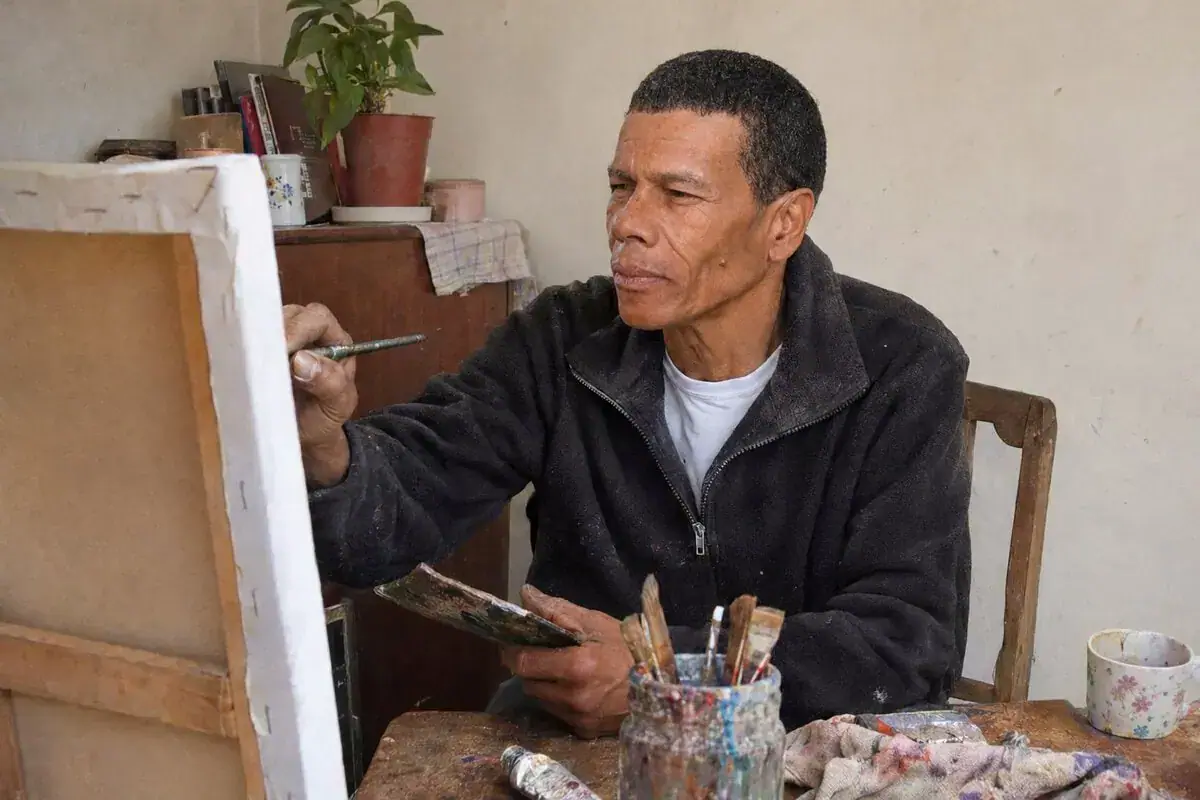
To further her work, Leal has created a coffee table book called Captured, which features artwork and stories from inmates. The book aims to humanize the experiences of inmates and raise awareness about the challenges they face. Leal has also collaborated with four former inmates and a retired prison guard to create the book, which includes artwork that reflects the daily lives of inmates.
The book and an accompanying exhibition are planned for September next year in Woodstock. Leal hopes that the book will spark a conversation about the need for change in the prison system and the importance of supporting inmates after release. She also hopes that the book will provide a platform for the artists involved to showcase their work and connect with young people in their communities.
Leal's work is not without its challenges. She has faced administrative hurdles and has had to end her work at Pollsmoor prison. However, she remains committed to her goal of creating positive change in the prison system. She argues that it is the responsibility of both the state and the community to support inmates after release and help them lead productive lives.
The outcome of Leal's work remains to be seen, but her dedication to creating positive change in the prison system is clear. With the support of her community and the success of her programs, Leal may be able to make a lasting impact on the lives of inmates and the broader community.
Key points
- Dr. Suzette Leal's rehabilitation program aims to provide support for inmates during and after incarceration.
- The program uses creative writing to help inmates process their experiences and make better decisions.
- Leal's work highlights the need for more comprehensive rehabilitation programs and support for inmates after release.
Reporting sources
- Tronkkuns plaas rehabilitasie in soeklig · Maroela Media