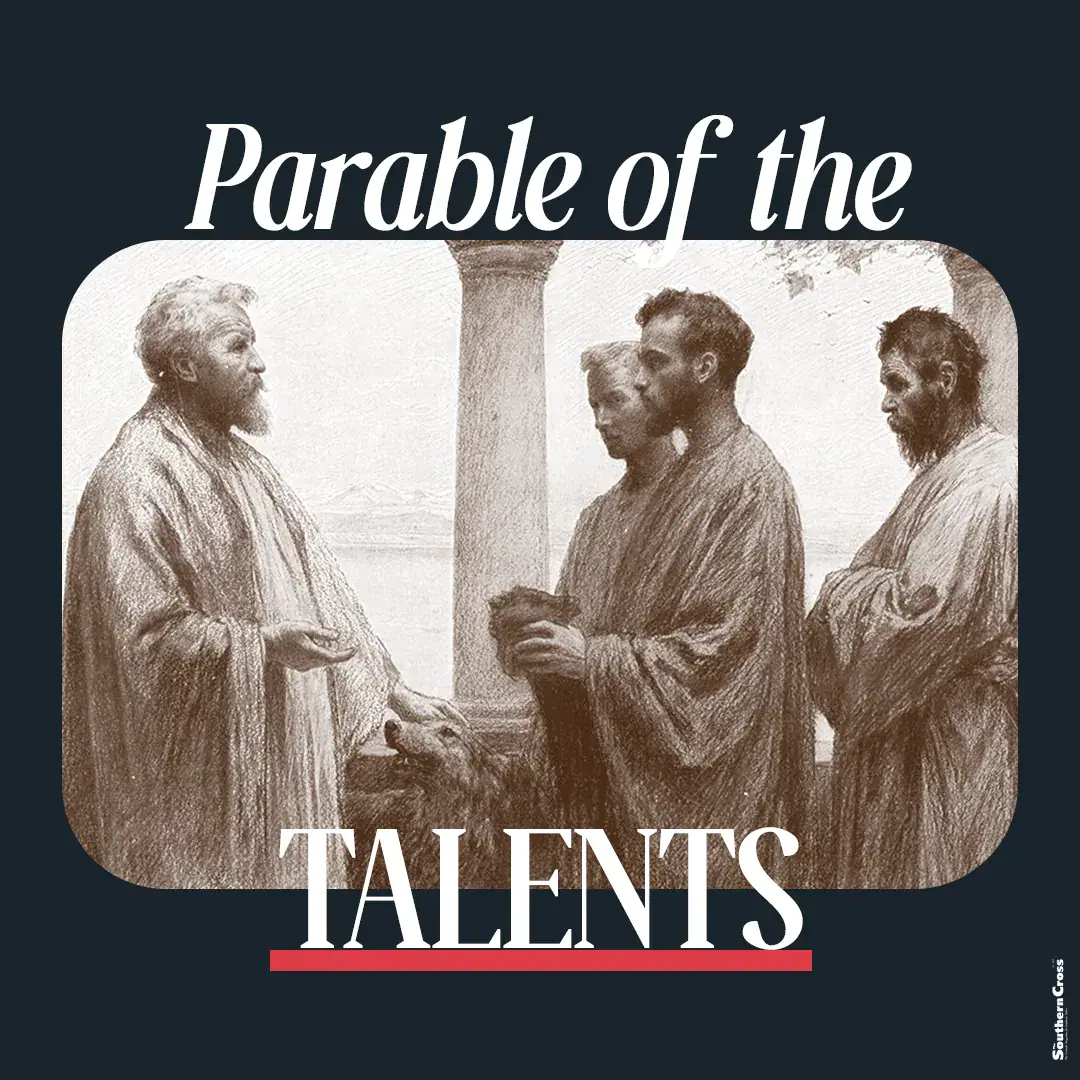
In a sermon for the 33rd Sunday in Ordinary Time, Emmanuel Suntheni OSB reflected on the importance of developing one's God-given talents. The South African priest emphasized that Christians must use their abilities wisely, just like the servants in the parable of the talents. According to Suntheni, preparation for Christ's return involves conscientious application of one's talents and abilities throughout life. This theme is central to his sermon, which draws from the readings of the day.
The parable of the talents, as narrated in the gospel of Matthew, features three servants who have been entrusted with a huge amount of wealth. The servants were given these huge amounts of wealth in different measures, in accordance with their abilities. Suntheni notes that the master in the parable did not tell the servants what to do, but rather gave them freedom to show initiative and use the wealth as they wished. This, he says, is a lesson for Christians, who must use their talents according to their abilities.
Suntheni highlighted the consequences of not developing one's talents, citing the example of the wicked servant who chose to do nothing with his talent. The servant attempted to justify his inaction by pointing to the demanding character of the master and his own fears. However, Suntheni notes that this servant condemned himself by revealing that he knew well his master's exacting and demanding character. The master denounced him as a wicked and lazy servant, illustrating the importance of using one's talents wisely.
The sermon also draws from the book of Proverbs, which provides instructions on wise living. The figure of Lady Wisdom appears in the book as God's companion, who instructs and guides the faithful in the art of living well. Suntheni notes that the perfect wife, as described in the book of Proverbs, embodies Lady Wisdom in real life. This wise woman is capable of maintaining her household in perfect order, symbolically portrayed by her skill in cloth-making.
In the second reading of the day, Paul outlines the consequences of his teaching for the day-to-day life of his converts. He emphasizes that the timing of Christ's return remains completely unknown, using the image of "thief in the night" to indicate that Christ will return unexpectedly. Suntheni notes that Christians ought to maintain a state of constant readiness and "sobriety," practicing the virtues of faith, love, and hope.
Suntheni's sermon concludes with a call to action, encouraging Christians to develop their talents for the good of the community. He notes that working for the common good is an essential part of our presence in the world. When we combine the development of our talents with our faith, we can truly be assured of being reliable and trustworthy. This, he says, is a key takeaway from the parable of the talents.
Ultimately, Suntheni's sermon emphasizes that a person must prepare for the end of life and judgment by using the abilities at their disposal and developing them to the greatest measure possible. Working with what one has been given will lead to growth, while inaction and wastefulness of one's talents will lead to their inevitable loss. This message is at the heart of his sermon, which encourages Christians to reflect on their talents and how they are using them.
Key points
- Christians must use their talents wisely to prepare for Christ's return.
Reporting sources
- What are my talents? 33rd Sunday in Ordinary Time · The Southern Cross