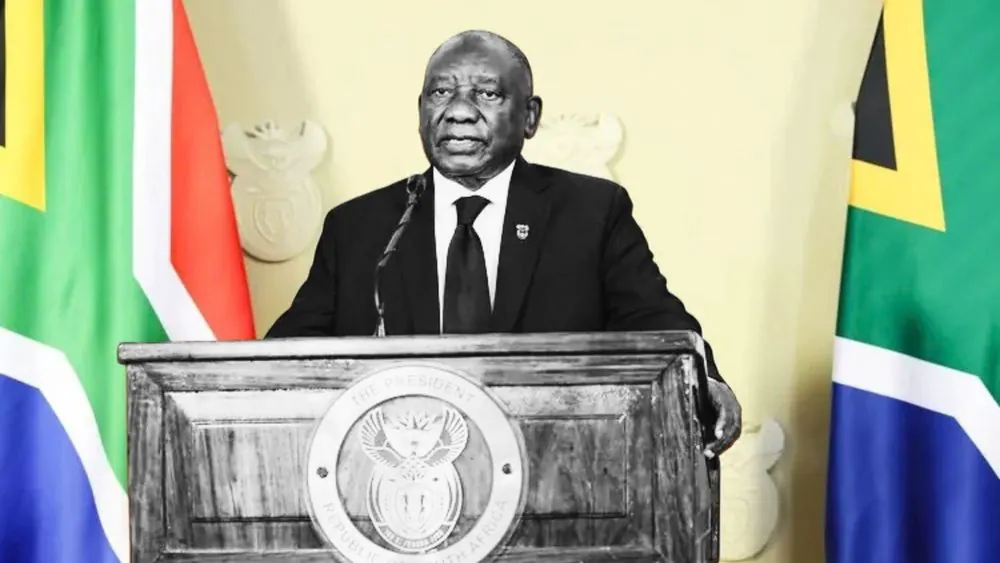
South African President Cyril Ramaphosa has finally addressed the nation on the government's response to the escalating crisis of gender-based violence and femicide (GBVF). In a televised address, Ramaphosa outlined a four-point action plan aimed at tackling the scourge. The plan includes an audit of unresolved cases, tackling forensic backlogs, making communities safer, and cracking down on alcohol-related violence. The president's address comes after weeks of protests and criticism over his silence on the issue.
The audit, which is expected to be completed within 60 days, will identify unresolved cases, cases awaiting forensic evidence, identified suspects who have not been arrested, and cases facing unreasonable investigative or prosecutorial delays. Recovery plans for priority and stalled cases are expected within 90 days. Ramaphosa also ordered a 60-day plan to tackle forensic backlogs and instructed municipalities to conduct safety audits to identify places where women are vulnerable.
The president's plan has been met with skepticism, with many questioning the effectiveness of yet another audit. Critics argue that what is needed is concrete action, not more reports. The opposition has pointed out that Ramaphosa's party has been in power for 32 years and has failed to deliver on safety-related services such as public lighting and securing public spaces. The municipalities have been given 90 days to fix these issues.
The Department of Women, Youth, and Persons with Disabilities, led by Minister Sindisiwe Chikunga, has been tasked with enacting the government's GBVF mandate. However, the department has reportedly been unfunded, with Chikunga telling a parliamentary portfolio committee meeting that "the mandate remained largely unfunded". The lack of funding has hindered the department's ability to effectively address the crisis.
The GBVF crisis has been declared a national disaster, and Ramaphosa has been urged to take concrete action to address it. The South African Police Service (SAPS) has been criticized for its handling of GBVF cases, including a shortage of rape kits. While SAPS has claimed that there are enough rape kits in circulation, there have been reports of shortages in the past.
The president's four-point plan has been described as a "to-do list" for others to complete, rather than a concrete plan of action. Ramaphosa has been accused of failing to take leadership on the issue, with many arguing that he should be taking charge and coming up with solutions. The public is calling for action, arrests, prosecution, and convictions.
The GBVF crisis has resulted in the deaths of between 11 and 15 women per day, according to reports. The issue has sparked widespread protests and outrage, with many demanding that the government do more to address it. Ramaphosa's plan has been seen as insufficient, and many are calling for more concrete action to be taken to address the crisis.
Key points
- President Cyril Ramaphosa unveils a four-point plan to address GBVF
- Plan includes audit of unresolved cases, tackling forensic backlogs, making communities safer, and cracking down on alcohol-related violence
- Critics argue that plan is insufficient and that concrete action is needed to address the crisis