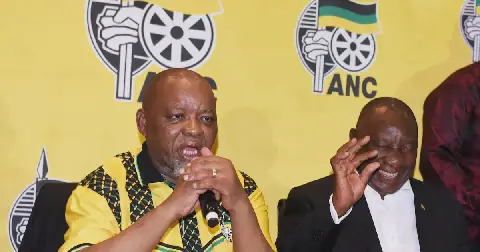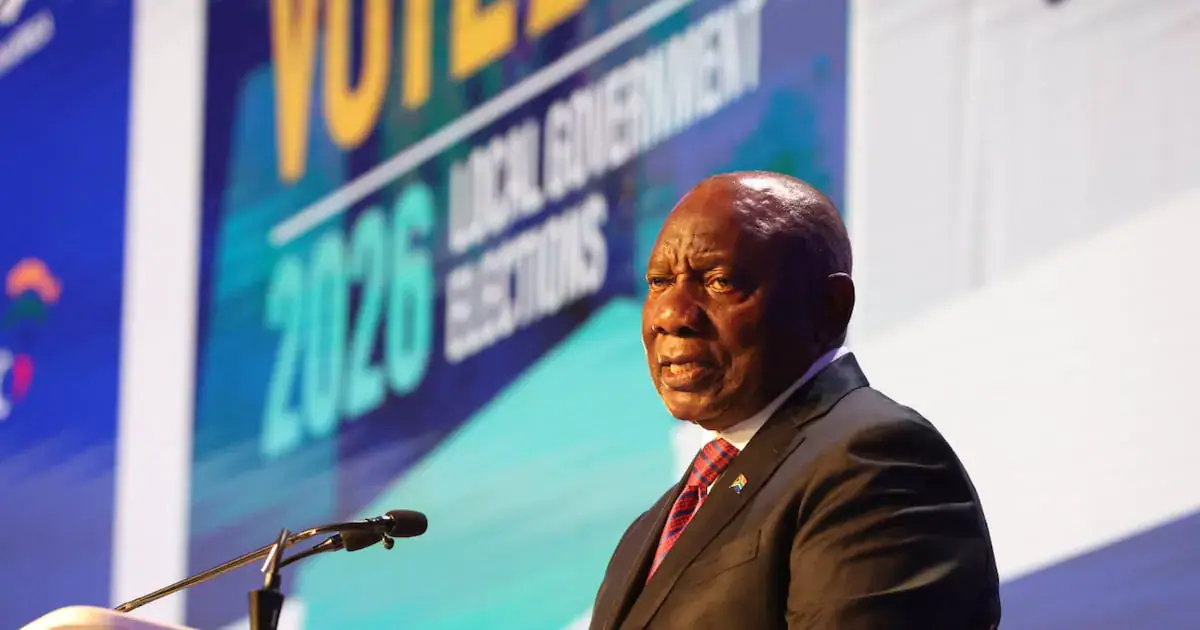
President Cyril Ramaphosa's decision to announce a salary increase for politicians has sparked controversy, coming at a time when South Africa is battling a severe jobs crisis. The announcement was made a day after Statistics South Africa released unemployment figures showing a jobless rate of 33.7%. This move has been criticized as tone-deaf, particularly given the ANC's poor performance in local government elections. The party has been handed a "bruising lesson" by voters, who have expressed concerns about unemployment, poverty, and failing services.
The salary increase, effective from April 1, will see ministers, MPs, and other political office-bearers receive a 3.5% pay rise, while judges and magistrates will receive a 4% increase. The decision has been defended as part of a constitutional and administrative process, with arguments about the need to fairly remunerate public office-bearers. However, this justification has done little to alleviate concerns that politicians are out of touch with the struggles of ordinary South Africans.
For millions of South Africans struggling to make ends meet, the announcement is difficult to swallow. The country is grappling with high unemployment rates, particularly among young people, with many facing significant challenges in finding a foothold in the economy. The optics of awarding politicians a pay rise while the country battles a jobs crisis have been criticized, with many questioning whether politicians understand the struggles of the people they serve.
The ANC's electoral defeat has been attributed to voters' concerns about the party's handling of key issues, including unemployment and poverty. The party's leadership has acknowledged the need to listen to voters and address their concerns. However, decisions such as the pay rise have reinforced the perception that politicians are out of touch with the people they serve.
Leadership is not just about following procedure, but also about judgment, sensitivity, and understanding the moment. In this case, the decision to award a pay rise has been seen as a missed opportunity for restraint and empathy. The ANC cannot afford to spend the aftermath of an electoral defeat talking about listening to voters while making decisions that reinforce negative perceptions.
The pay rise has sparked concerns about the disconnect between politicians and the people they serve. With many South Africans dependent on inadequate incomes or struggling to put food on the table, the decision has been seen as insensitive and out of touch. The ANC's leadership will need to work to rebuild trust and demonstrate a commitment to addressing the concerns of ordinary South Africans.
The controversy surrounding the pay rise highlights the challenges facing the ANC as it seeks to rebuild trust and credibility. The party's leadership will need to balance the need to fairly remunerate public office-bearers with the need to demonstrate empathy and understanding for the struggles of ordinary South Africans. Ultimately, the decision will be seen as a test of the party's commitment to serving the people of South Africa.
Key points
- The decision to award politicians a pay rise has sparked controversy amid a severe jobs crisis in South Africa.
- The ANC's leadership has been criticized for being out of touch with the struggles of ordinary South Africans.
- The pay rise has reinforced negative perceptions of politicians and highlighted the need for greater empathy and understanding.