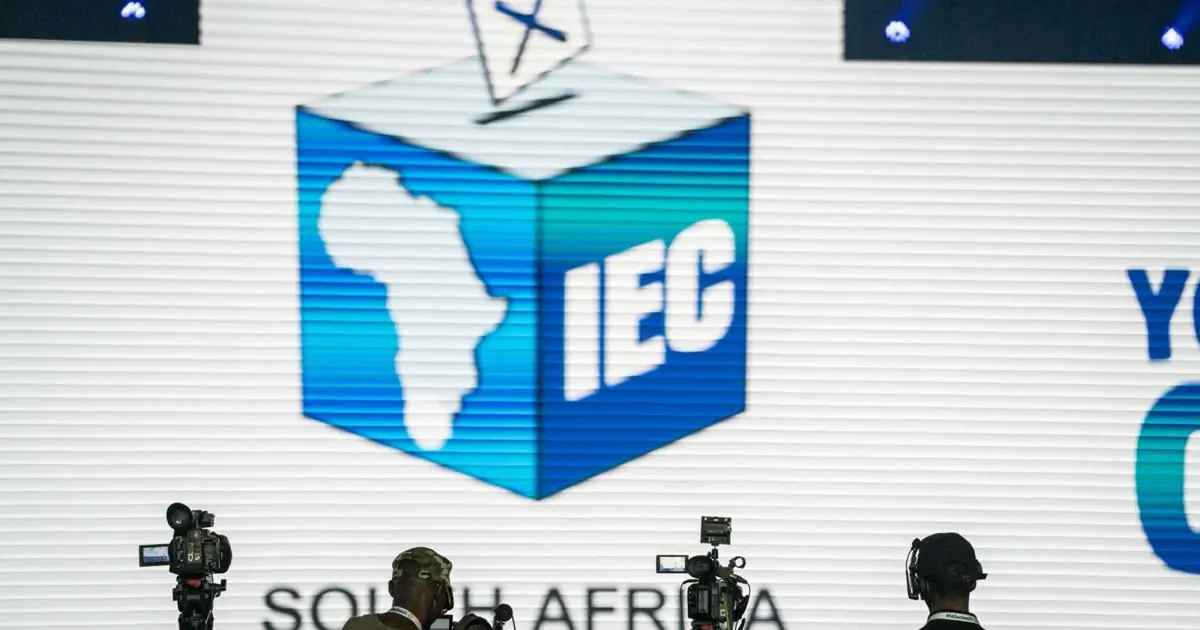
Political parties in South Africa are set to sign the Electoral Commission of South Africa's (IEC) Code of Conduct on Wednesday, in preparation for the upcoming local government elections on November 4. The signing ceremony will see parties formally commit to upholding the principles of free and fair elections throughout the campaign period. This move aims to ensure a smooth and peaceful electoral process.
The IEC's Code of Conduct prohibits political intimidation, incitement to violence, and the spread of false information, while protecting the right of all contestants to campaign freely. The code will remain legally binding until the final election results are declared. By signing the code, parties are expected to promote a positive and respectful campaign environment.
In addition to signing the Electoral Code of Conduct, political parties will also participate in a ballot draw to determine their position on the ballot papers. The IEC will conduct the draw to ensure a random and transparent allocation of positions. This process will take place at the IEC's national results operation centre (ROC) at the Gallagher Convention Centre in Midrand.
The signing of the Code of Conduct and the ballot draw come days after the IEC gazetted its disinformation code, aimed at curbing the spread of false information during the election period. Under the new rules, parties and candidates will have 36 hours to correct false claims made by them or by people acting on their instructions. This move is expected to promote fact-based campaigning and reduce the risk of misinformation.
The upcoming local government elections are crucial for South Africa's democratic process, with millions of voters expected to cast their ballots on November 4. The IEC has confirmed that it has secured over 23,000 voting stations across the country, ensuring that voters have access to safe and secure polling facilities. The elections will also feature double-column ballot papers in high-contestation metros.
The Democratic Alliance (DA) has recently drawn attention to its experience of fielding controversial candidates in its PR lists, which has led to a court challenge. Other parties, such as the ANC, have also been preparing for the elections, with some candidates facing scrutiny over their qualifications and conduct. The IEC's efforts to promote a fair and transparent electoral process are critical in maintaining public trust.
As the election campaign enters its final stages, parties are expected to focus on their policy proposals and engage with voters on the issues that matter most to them. The IEC's Code of Conduct and disinformation code are key measures aimed at ensuring that the campaign remains peaceful, respectful, and focused on the needs of South African citizens.
Key points
- Political parties in South Africa are expected to sign the IEC's Code of Conduct on Wednesday, ahead of the November 4 local government elections.
- The Code of Conduct prohibits political intimidation, incitement to violence, and the spread of false information.
- The IEC has secured over 23,000 voting stations across the country, ensuring that voters have access to safe and secure polling facilities.