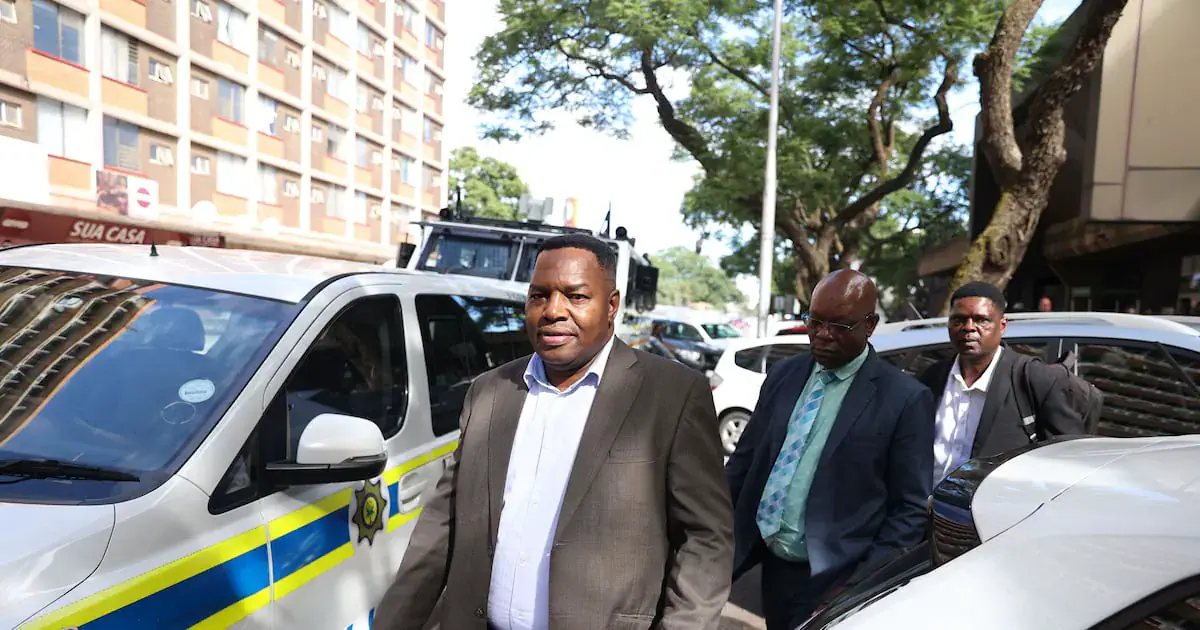
National police commissioner Gen Fannie Masemola has assured voters that law-enforcement agencies have put in place the necessary planning to ensure a smooth vote for the local government elections. He stated that operational plans, resources, and security measures are in place for special votes, general voting day, counting processes, and ballot paper safety.
A total of 331 voting stations nationally have been identified as high-risk areas that may experience instability due to service-delivery protests, community unrest, and other security-related incidents. KwaZulu-Natal has the highest number of high-risk voting stations, with 165 identified across the province, while Gauteng has 119, Western Cape has 33, Mpumalanga has 11, and Eastern Cape has three.
The high-risk areas in KwaZulu-Natal are mainly located in the eThekwini district, with 124 voting stations identified. Other districts with high-risk voting stations in the province include uThukela, Amajuba, Zululand, and Ugu. In Gauteng, 75 high-risk voting stations are in the Johannesburg district, 23 in Ekurhuleni, 14 in the City of Tshwane, six in the West Rand, and one in Sedibeng.
Masemola emphasized that sufficient security measures are in place to address the identified risks, with enhanced police visibility and operational interventions where necessary. He expressed confidence that the measures implemented will enable the police to respond effectively to potential threats and incidents. The police are monitoring the situation closely and will act decisively to ensure that those responsible for any criminality are brought to justice.
The police are concerned about the recent killings and attacks targeting political party supporters, party members, and ward candidates. A report by the Global Initiative Against Transnational Organised Crime recorded 43 murders between January and September affecting councillors and members of political parties. Masemola urged political parties to exercise tolerance and refrain from using violence to resolve political disputes.
The election security operation will be led by the South African Police Service (SAPS), with support from the South African National Defence Force (SANDF), metro police departments, and the State Security Agency. Specialized units, including the special task force, national intervention unit, and tactical response teams, have been placed on standby to respond to serious incidents.
Masemola assured the public that police stations would remain open and continue providing their usual services throughout the election period. He also addressed the SAPS court application concerning marches and public demonstrations in KwaZulu-Natal, saying it was not intended to prevent people from exercising their constitutional right to protest.
Key points
- The South African police have identified 331 high-risk voting stations nationally.
- The police have implemented plans to ensure a smooth vote in high-risk areas during local government elections.
- The election security operation will be led by the South African Police Service (SAPS), with support from other security agencies.