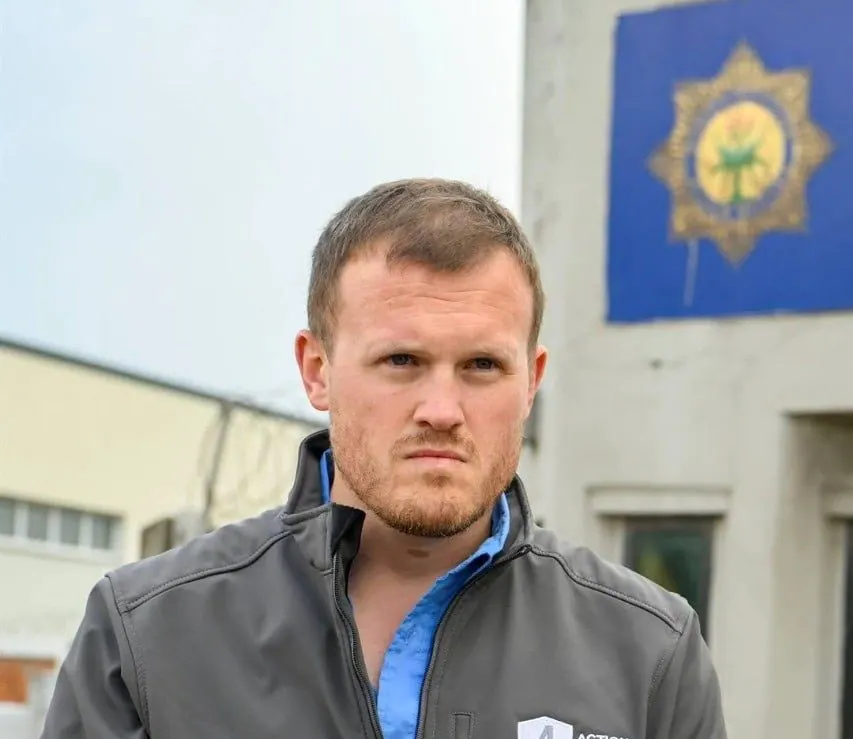
South African lawmaker Ian Cameron has written an open letter to President Cyril Ramaphosa expressing his frustration over the government's response to the country's high levels of gender-based violence. In the letter, Cameron notes that 6,596 rapes were reported to the police in just three months, which works out to approximately 72 per day or one every 20 minutes. He emphasizes that these statistics are likely only a small fraction of the actual number of incidents, as many cases go unreported.
Cameron, who is the chairman of the portfolio committee on police, says that he has worked with the families of several victims of gender-based violence, including a four-year-old girl named Mia Botha, who was raped and murdered, and Siphokazi Booi, a 27-year-old woman whose body was found in pieces in a municipal dumpster. He describes the trauma and pain that these families have endured and expresses his concern that the government's response to the crisis has been inadequate.
In November of last year, the government classified gender-based violence and femicide as a national disaster. However, Cameron notes that this classification did not lead to the deployment of extraordinary emergency powers or a significant increase in resources to address the problem. Instead, the government relied on existing laws, structures, and plans to manage the crisis. Cameron is asking the president what changes have been made to address the issue, as he believes that the current approach is not working.
The South African Police Service (SAPS) has 176 specialized units that deal with family violence, child protection, and sexual crimes, but these units have to serve 1,173 police stations. Cameron notes that while the officers in these units are dedicated and hardworking, they are not equipped with sufficient resources, including personnel, vehicles, and technology, to effectively investigate and prosecute cases of gender-based violence.
Cameron also questions the allocation of resources, noting that billions of rand are spent on protection services, including bodyguard services for politicians and high-ranking officials. He suggests that some of these resources could be redirected to support the specialized units that deal with gender-based violence. He also calls for a review of the current system of protection services to ensure that they are allocated based on actual threat and risk.
Cameron also highlights the need for a more nuanced approach to addressing gender-based violence, including a focus on prevention and addressing the root causes of the problem. He notes that research has shown that a significant proportion of women who are murdered are killed by their intimate partners, and that addressing this issue will require a broader societal response, including education and awareness-raising efforts.
Finally, Cameron calls on men to take a more active role in addressing the issue of gender-based violence, including being more honest about their own attitudes and behaviors towards women. He notes that men have a critical role to play in promoting a culture of respect and equality and in supporting efforts to prevent gender-based violence.
Key points
- The South African government classified gender-based violence and femicide as a national disaster in November of last year.
- 6,596 rapes were reported to the police in South Africa in just three months.
- The government has been criticized for its slow response to the crisis and its allocation of resources to address the issue.