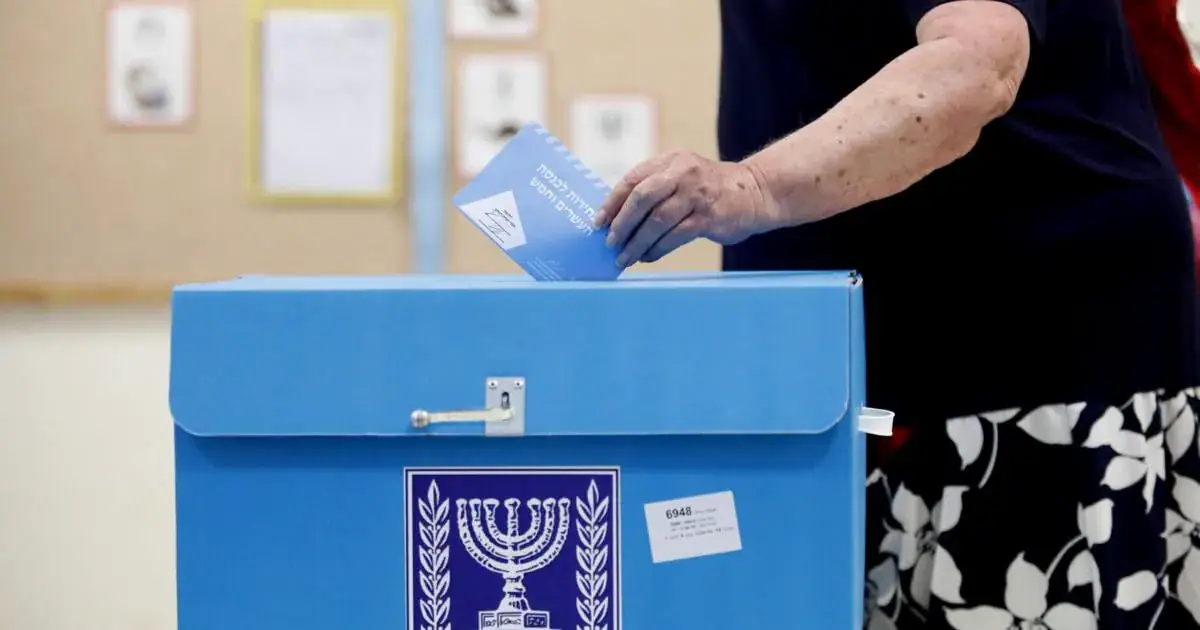
South African immigrants living in Israel have shared their thoughts on the country's future as they participated in the recent election. For many, voting was a chance to influence the future of a country they've chosen to call home, amid uncertainty about its security, economy, leadership, and place in the world. Julio Woznica, who moved to Israel 14 months ago after living in South Africa for almost 50 years, said becoming an Israeli citizen had given him an opportunity to participate in the country's future.
Woznica, who was born in Uruguay and moved to South Africa in 1976, said he and his wife recently decided to make aliya, joining family members who have settled in Israel. They are delighted with their decision, describing the people of Israel as "beautiful." Woznica hoped the election would help Israel move towards peaceful coexistence with its neighbours, but recognised that the political outcome might not deliver what he wanted. He emphasized the importance of finding a world of peace.
Johnny Orlianski, who has lived in Israel for just under five years, was voting for the second time. He arrived shortly before the last election, before October 7. Although he has settled in Israel, he said his feelings about the election had changed in recent months. Orlianski, who works in the high-tech and finance sectors, said the economy was his biggest concern, particularly the cost of living and the potential economic consequences of Israel's international standing.
Orlianski also raised concerns about social welfare spending and the economic participation of the Haredi community, many of whose members devote themselves to religious study. However, his greatest hope for the election was greater unity among Israelis. He believes political divisions are weakening the country and hopes the next government will bring together Israelis with different perspectives.
Hilliard Ezra, another South African living in Israel, said deciding how to vote required weighing personal political preferences against the broader implications for the country. As a religiously observant Israeli, Ezra places considerable importance on preserving Israel's identity as a Jewish State. Security and the country's long-term future were also central to his decision.
Ezra said the election had made many Israelis nervous because its outcome could represent a turning point. He believes voters should have considered parties' policies and principles rather than focusing exclusively on individual politicians. The future of Israel's military and the treatment of soldiers were also important considerations for Ezra.
For newcomers like Tracy Milner, who made aliya from Johannesburg on May 27, the election brought a mix of anxiety and hope. Milner said she felt anxious about Israel's political future, particularly given her unfamiliarity with many of the issues shaping Israeli politics. She expressed concerns about political accountability, drawing comparisons with South Africa's experience of former president Jacob Zuma.
Key points
- South African immigrants in Israel prioritize economic stability, security, and Jewish identity as they participate in the country's election.
- The immigrants express a range of concerns, from the cost of living and international standing to social welfare and military service.
- Despite uncertainty, many remain committed to their decision to make aliya and participate in Israeli democracy.