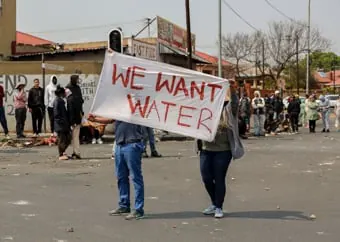
South African municipalities have written off R62 billion in debt that could not be recovered. This was revealed in a report that paints a picture of poor governance and a flawed system that allows for widespread corruption. The municipalities have struggled to collect debts owed to them, leading to a significant write-off.
The write-off of R62 billion is a significant amount, and it highlights the financial struggles faced by many municipalities in South Africa. The country's municipalities have been facing challenges in collecting debts, particularly from Eskom, the state-owned power utility. Many municipalities have been struggling to pay their debts to Eskom, which has led to a significant increase in the debt owed to the utility.
According to reports, some municipalities have been found to have engaged in irregular and extravagant spending, which has contributed to their financial struggles. The Auditor-General has raised concerns about the lack of financial discipline and poor governance in some municipalities. The situation has led to calls for greater accountability and transparency in municipal financial management.
The write-off of debt is not a new phenomenon in South Africa. In previous years, municipalities have written off significant amounts of debt due to non-payment by residents and businesses. However, the current write-off of R62 billion is one of the largest in recent history. The move has been welcomed by some as a necessary step to clean up municipal finances and start anew.
The South African government has been working to address the financial challenges faced by municipalities. The Minister of Cooperative Governance and Traditional Affairs, Nkosazana Dlamini-Zuma, has emphasized the need for municipalities to improve their financial management and to prioritize spending on essential services. The government has also provided support to municipalities to help them improve their financial management.
The write-off of debt has raised concerns about the impact on municipal services. Some residents have expressed concerns that the write-off of debt will lead to a decrease in municipal services. However, the government has assured residents that the write-off of debt will not affect the provision of essential services.
The situation highlights the need for greater transparency and accountability in municipal financial management. The government has emphasized the need for municipalities to be transparent in their financial dealings and to prioritize spending on essential services. The write-off of R62 billion in debt is a significant step towards cleaning up municipal finances and promoting greater accountability.
Key points
- The write-off of R62 billion in debt by South African municipalities highlights the financial struggles faced by many municipalities.
- The situation has led to calls for greater accountability and transparency in municipal financial management.
- The government has assured residents that the write-off of debt will not affect the provision of essential services.