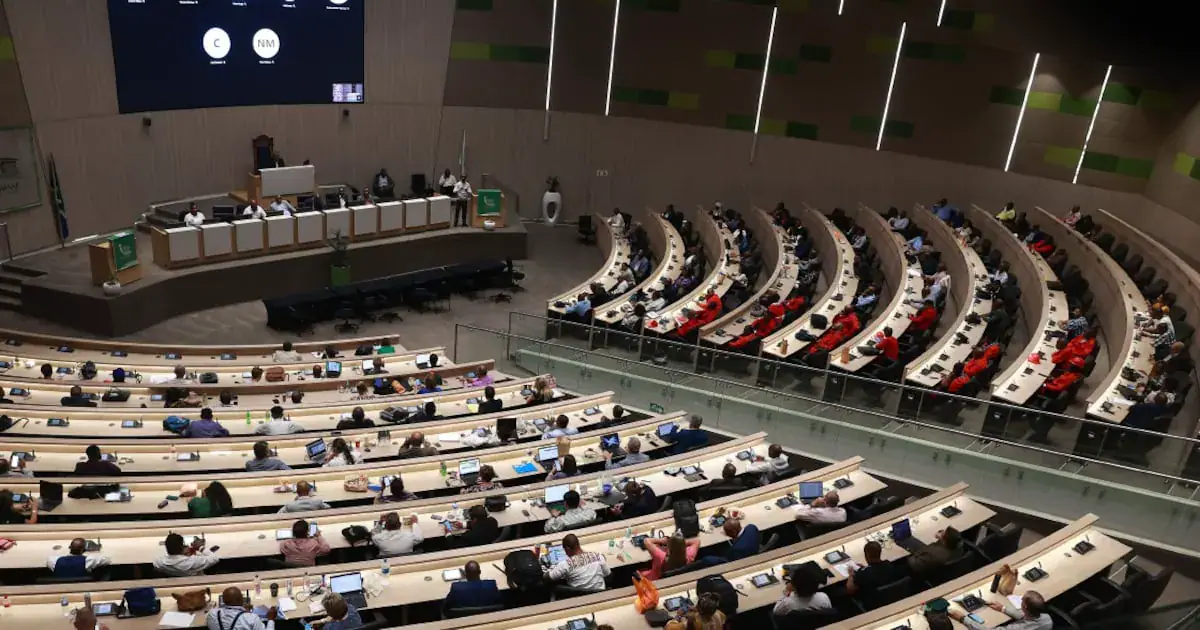
South Africa's recent municipal elections have presented a significant governance challenge. With no single party securing a majority in 213 of the 257 municipalities, coalition governments will be necessary to move forward. This situation is particularly complex in major cities such as Tshwane, the capital, and Cape Town, the Western Cape's provincial seat, where coalition-building will be essential.
The election results have significant implications for municipal governance in South Africa. The African National Congress (ANC) has experienced a decline in support, and it will be crucial for the party to conduct an internal post-mortem analysis. However, the focus for the country should be on the actions of the newly mandated representatives. The primary task for all new coalitions, regardless of their party-political composition, is to address the pressing issues in municipal government.
Fixing municipal government is crucial as it is where the state interacts with citizens and where constitutional promises are either fulfilled or broken. To achieve this, a structural reset is required, focusing on critical issues such as budget allocation, hierarchical mindset, and statewide planning. Local government should be elevated as the primary site of delivery, and political parties should field leaders who understand its scope and importance.
The new administrations should prioritize several key actions to address the current challenges. Firstly, they must focus on fixing municipal infrastructure, as service delivery is impossible without functional roads and pipes. Secondly, creating public-works jobs and eliminating tenderization will ensure that spending directly benefits communities. Thirdly, making inclusion visible by incorporating residents' perspectives into council decisions is vital.
Renewing democratic culture from the ward level upwards is also essential to build accountability from the ground. To ensure accountability, coalition agreements should include clear service-delivery targets, such as water and electricity reliability, refuse removal, and road maintenance. These targets should be reported on publicly and regularly, allowing voters to assess progress and hold parties accountable for any shortcomings.
The goal of fixing municipal government is to improve the lives of South African citizens by providing basics that work, eradicating corruption, restoring law and order, and ultimately creating jobs through economic revival. To achieve this, leaders should invite the nation to participate in the process, working together in cities and towns where people directly interact with the state.
Ultimately, the success of the new administrations will depend on their ability to work together and prioritize the needs of their constituents. By focusing on the key actions outlined and maintaining accountability, it is possible to fix municipal government and create a better future for South Africa's citizens.
Key points
- Fixing municipal infrastructure, creating public-works jobs, and making inclusion visible are essential steps in addressing the current challenges in South African municipalities.