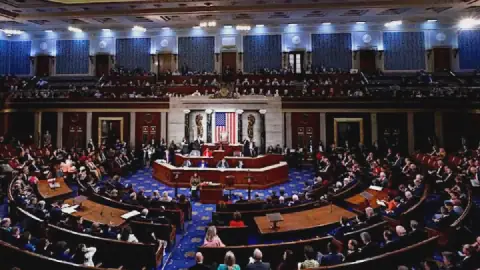
The Electoral Commission of South Africa has delivered the results of the local government elections, which saw a significant increase in hung municipalities. A total of 138 municipalities have returned no outright winner, up from 70 in 2021. This includes 12 municipalities in the Eastern Cape, where Buffalo City Metro is among those that will require coalition negotiations. The commission congratulated itself on delivering the results within four days, despite some reported challenges.
The increase in hung municipalities reflects the diversity of political choices in South Africa's democracy. According to the law, newly elected municipal councils must hold their first meeting within 14 days. In these hung municipalities, politicians will have to negotiate coalitions and find common ground to establish a government that serves the interests of the community. This presents an opportunity for parties to demonstrate cooperation and compromise.
Coalition negotiations must prioritize the public interest and not focus solely on mayoral positions, executive appointments, or committee chairs. The electorate expects functioning municipalities, reliable basic services, accountable leadership, and opportunities for local economic development. Parties must balance their political identities with the need for compromise and cooperation. Transparency is crucial, and residents should be informed about coalition agreements and priorities.
Establishing clear mechanisms for resolving disagreements is also essential for coalition partners. The goal is not to avoid disagreements but to manage them effectively and prevent repeated instability. The Gauteng metros' experience over the past five years, marked by motions of no confidence and coalition realignments, is an example of the consequences of instability.
The responsibility now rests with elected representatives to demonstrate that their democratic mandate can be translated into accountable, stable, and effective local government. Coalition negotiations must be approached with honesty, maturity, and a genuine commitment to the public interest. Parties should not abandon their political identities, but ideological differences should not prevent agreement on matters affecting residents.
The Daily Dispatch editorial emphasizes that a hung municipality should not be confused with a political crisis but rather seen as an opportunity for cooperation. Coalition partners must prioritize the needs of the community and work towards providing reliable services and accountable leadership. The electorate's expectations must remain at the centre of every coalition discussion.
Ultimately, the success of coalitions will be measured by their ability to manage differences and provide stable and effective governance. The people have voted, and it is up to their elected representatives to deliver on their promises. The challenge now is for politicians to put aside their differences and work towards the common goal of serving the community's interests.
Key points
- Coalition negotiations must prioritize the public interest and focus on providing reliable services and accountable leadership.
- Transparency is crucial in coalition agreements, and residents should be informed about the priorities that will guide municipal decision-making.
- Effective mechanisms for resolving disagreements must be established to prevent repeated instability in municipalities.
Reporting sources
- Coalitions must deliver, not divide · Daily Dispatch