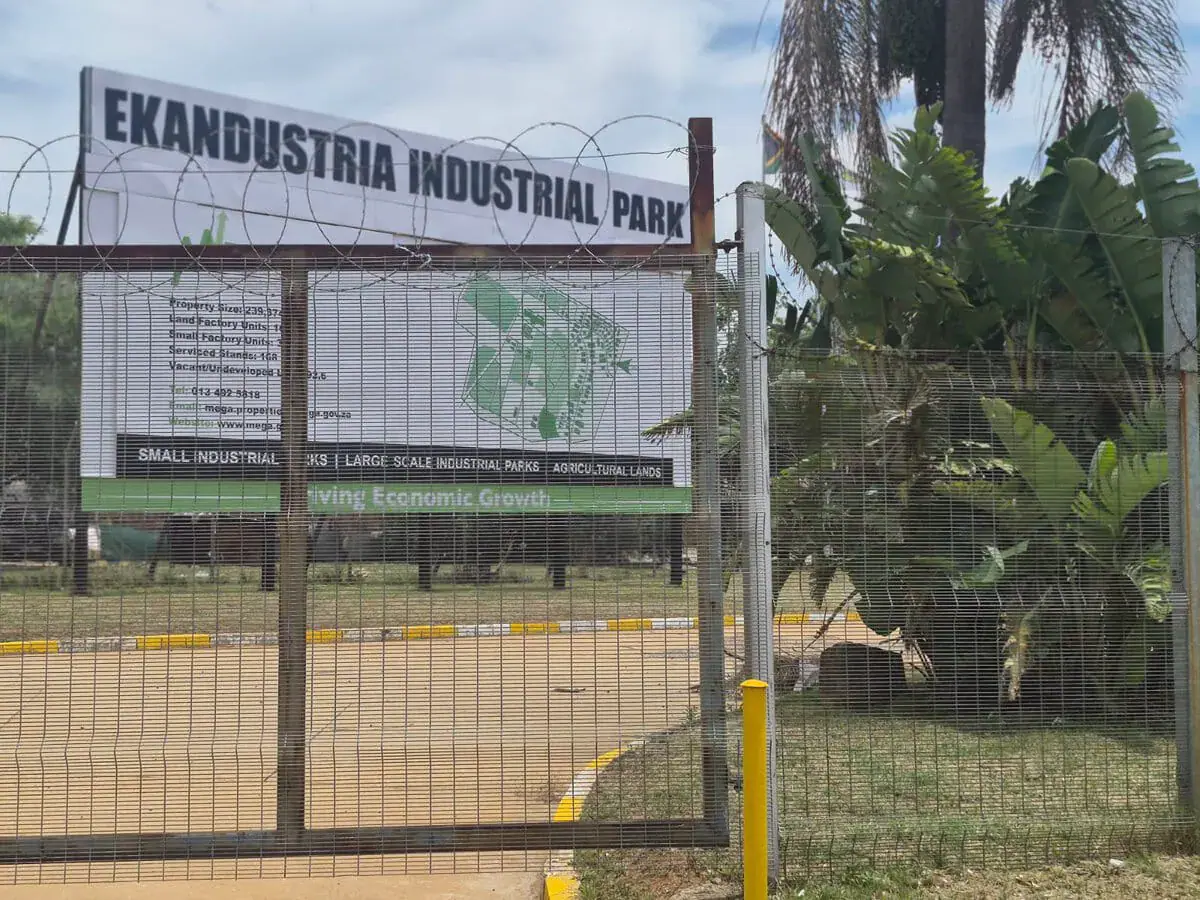
The African Merino Trading company, a South African merino wool tanning business, is struggling to stay afloat due to ongoing infrastructure challenges. The company, founded by Simo Simov, has been operating in the Ekandustria industrial park near Bronkhorstspruit, east of Pretoria, since 2006. Despite initial success, with 100 employees and a daily production of 800 to 1,000 hides, the company has faced significant challenges in recent years.
Marktoestande het versleg en klante het toenemend na goedkoper kunsvesels oorgeskakel. As a result, the company has had to adapt to changing market conditions, with a shift towards serving the local market. However, local circumstances have become unsustainable, with production plummeting from 100,000 to 150,000 hides per year to just 8,000. The company's owner, Simo Simov, cites the high cost of electricity and water supply issues as major contributors to the decline.
The Tshwane metropolitan council has disconnected the electricity supply twice a year due to unpaid bulk supply accounts by the Mpumalanga Economic Growth Agency (Mega), which owns the industrial park. Additionally, frequent power outages caused by cable theft and inadequate maintenance have resulted in significant losses for the company. In one instance, a power outage could result in a loss of up to R500,000.
Water shortages have also become a major issue, with Ekandustria experiencing a seven-week water outage due to problems at the Bronkhorstspruit water treatment plant. The company has lost five months of production so far this year due to water and electricity outages. Simov expressed frustration with the lack of maintenance and support from the landlord, despite paying rent on time.
The company's workforce has dwindled to just 12 employees, down from a peak of 100. Despite the challenges, African Merino Trading continues to supply processed merino sheep hides to over 50 companies in South Africa. Closure of the business would have a ripple effect on these companies, which rely on the hides for their products.
Simov is determined to keep the business afloat, citing a sense of responsibility to his son, who is a qualified leather technologist and may one day take over the company. However, he acknowledges that the bank could still force the company's closure. If that happens, Simov says they will not return to Bulgaria, but will instead look to the future of the business in South Africa.
The struggles faced by African Merino Trading highlight the challenges faced by businesses in South Africa's manufacturing sector, particularly in the areas of infrastructure and service delivery. The company's experience serves as a microcosm for the broader issues affecting the country's economy and competitiveness.
Key points
- Infrastructure challenges, including water and electricity outages, have significantly impacted production at African Merino Trading.
- The company has had to adapt to changing market conditions, shifting focus from the international market to serving local customers.
- Closure of the business would have a ripple effect on over 50 companies in South Africa that rely on the company's processed merino sheep hides.
Reporting sources
- Dienste stort in duie: Merinolooiery veg om voortbestaan · Maroela Media