As the local elections approach on November 4, South Africa is witnessing a surge in polling data, yet the outcomes remain highly uncertain. Recent polls conducted by News24 SABI, Social Research Foundation/Common Sense Media, and Ipsos present vastly different measurements of voter sentiment. In Johannesburg, for instance, the News24 SABI poll indicates that 29% of voters plan to support the Democratic Alliance (DA), while 23% intend to vote for the African National Congress (ANC). In contrast, the Social Research Foundation/Common Sense Media poll shows the DA at 42% and the ANC at 19%, and Ipsos suggests the ANC is at 31% with the DA at 29%.
The discrepancies in polling data underscore the significance of voter turnout in determining the election outcome. Historically, local elections in South Africa have been influenced by seasonal factors, with winter months often associated with increased protests over service delivery, potentially impacting voter turnout. The 2021 local elections were held in November due to the COVID-19 pandemic and will again take place in November this year. Currently, there is no load shedding, but frequent local power cuts persist in many areas, which could affect voter turnout and sentiment.
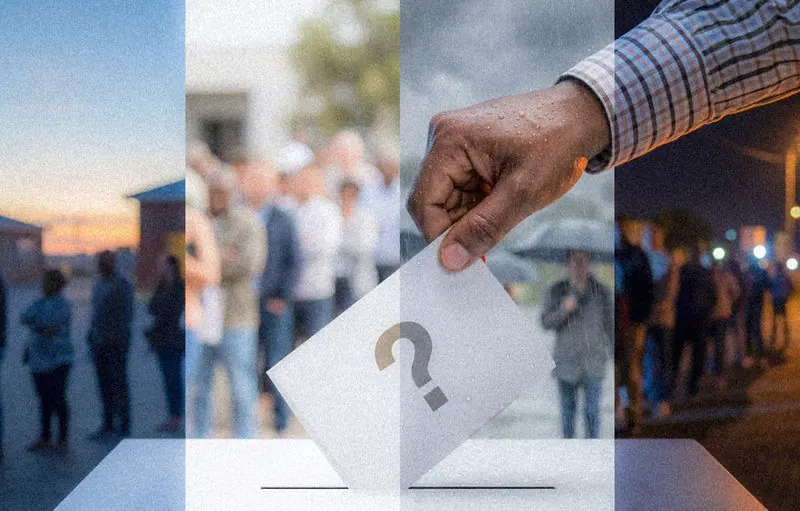
Weather conditions on election day may also play a crucial role in voter turnout, particularly in township areas where longer queues are often experienced in the afternoons. In contrast, suburban polling stations tend to have longer queues in the mornings. The socioeconomic status of voters can also impact their ability to participate in the electoral process, with poorer individuals potentially being more vulnerable to weather conditions and thus less likely to vote.
The issue of frustration is another critical factor that may influence voter turnout. In the past, frustration with the ANC, the dominant party since 1994, often led to votes against the party. However, with the current political landscape, a vote against the status quo may not necessarily translate to a vote for a specific party, as the "frustration vote" becomes more fractured.
Recent by-elections have garnered significant attention, with some parties, such as the Patriotic Alliance, making notable gains in specific areas. However, by-elections typically have low voter turnout, often as low as 15% of registered voters, which may not accurately reflect the broader electoral landscape. In contrast, the upcoming local elections are expected to have a higher turnout, which could favor larger parties with more diverse voter bases.
The possibility of unexpected events influencing the election outcome cannot be ruled out. Unforeseen incidents, debates, or dynamics could significantly impact voter sentiment and behavior on election day. Such events may involve issues related to race, ethnicity, or high-profile scandals, and could sway voters in either direction.
As the elections draw near, all parties will be closely monitoring events that could either help or hinder their campaigns. The impact of potential strikes, such as those by the SA Municipal Workers' Union, on voter turnout and sentiment remains to be seen. Ultimately, the outcome of the local elections will depend on a complex interplay of factors, including voter turnout, sentiment, and unforeseen events.
Key points
- The local elections may see a record-low voter turnout nationwide.
- By-elections have shown mixed results, with some smaller parties gaining ground.
- Weather and socioeconomic factors may significantly influence voter turnout.