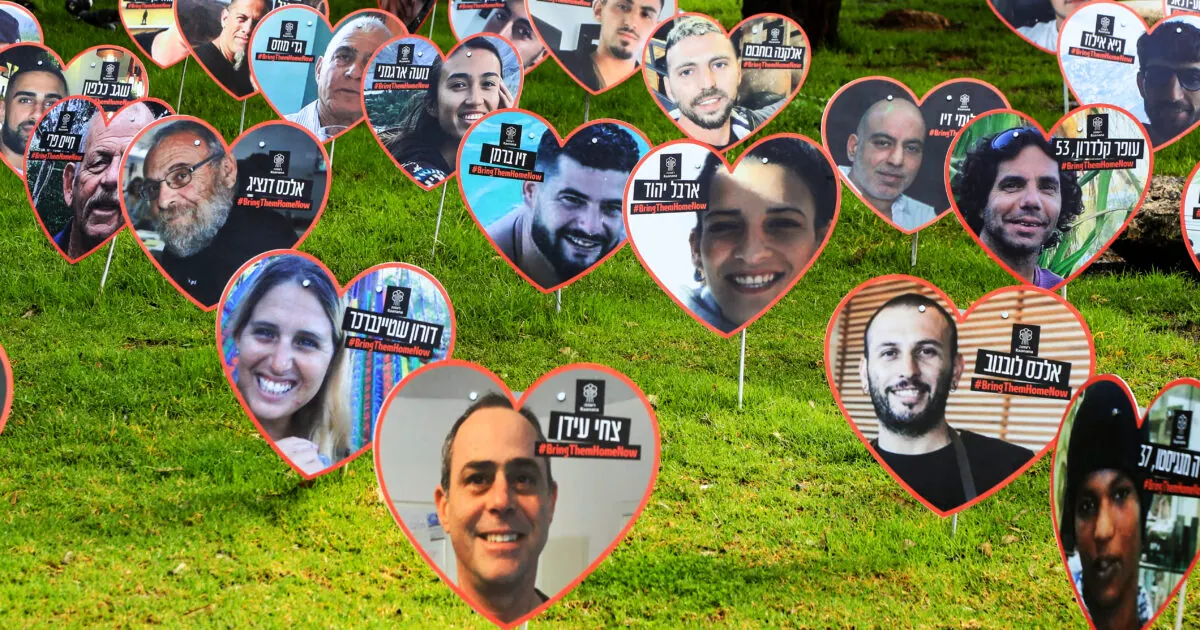
On October 7, 2026, the South African Jewish community commemorates the third anniversary of the devastating attacks that occurred on Simchat Torah, a day traditionally set aside for dancing with the Torah. The attacks resulted in the deaths of over 1,200 people and the abduction of 251 individuals into Gaza. The community has described the event as the darkest day in Jewish life since the Holocaust.
In the aftermath of the attacks, the Jewish community in South Africa experienced a phenomenon described as "traumatic invalidation" by psychologists Dr. Miri Bar-Halpern and Dr. Jaclyn Wolfman. This term refers to the mix of silence, blame, exclusion, and denial of the atrocities that many Jews faced. The community reported feeling disregarded, with their grief not permitted or considered suspect.
The trauma experienced by the Jewish community was further exacerbated by physical acts of vandalism and intimidation. A billboard put up by the South African Jewish Board of Deputies (SAJBD) for the hostages was torn down at gunpoint within a month of the attacks. Posters featuring kidnapped children and grandparents were also quickly removed. Despite this, the community chose to respond with resilience and unity.
In November 2023, the community organized a display of hundreds of red balloons and hostage posters on the Nelson Mandela Bridge in Johannesburg. Similar events took place in other parts of the country, including Durban, where hostage posters were taken to the beach. University of the Witwatersrand students held a vigil, and nearly 40 community organizations came together to build installations in a 7 October Square.
The community's response to the attacks and subsequent attempts to intimidate them only served to strengthen their unity and Jewish identity. An installation at the 7 October Square asked visitors to complete the sentence "After October 7 I am feeling," with many responding with words such as "proud," "stronger," and "more Jewish." The return of the hostages, including the body of Ran Gvili, who was held for 843 days, brought a sense of relief.
Despite the progress made, the community continues to face challenges, including attempts to erase the significance of 7 October. Recently, thousands marched along the Sea Point promenade in protest of the "genocide" in Gaza, an event that the community sees as diminishing Jewish suffering. The SAJBD and other organizations have emphasized the importance of remembering 7 October for what it was: a singularly evil event characterized by murder, rape, torture, and kidnapping.
The Jewish community in South Africa has also faced challenges from within, with some groups targeting Holocaust centers and demanding that they take up a political campaign against Israel. The community has vowed to continue remembering 7 October and to stand united in the face of adversity. As Karen Milner, national chairperson of the SAJBD, noted, the community has learned the pain of ambivalence and who actually stands with them.
Key points
- The South African Jewish community marks three years since the 7 October attacks, which resulted in over 1,200 deaths and 251 abductions.
- The community experienced "traumatic invalidation" in the aftermath of the attacks, with many reporting feelings of silence, blame, and exclusion.
- Despite challenges, the community has responded with resilience and unity, strengthening their Jewish identity and vowing to continue remembering 7 October.