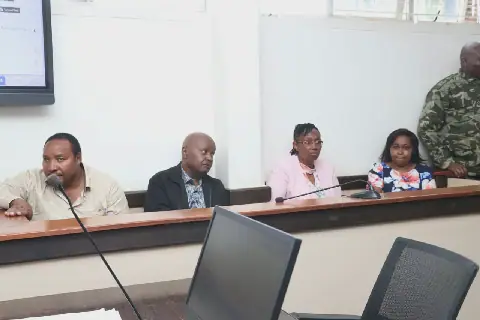
The South African Human Rights Commission (SAHRC) has expressed concerns over the ongoing reliance on water tankers in Gauteng, linking their provision to corruption. Commissioner Dr. Henk Boshoff presented the commission's findings on the state of water and sanitation services in Gauteng, highlighting the struggles of municipalities in providing reliable access to water. The inquiry was conducted earlier this year, following numerous complaints about water supply interruptions, failing infrastructure, and pollution.
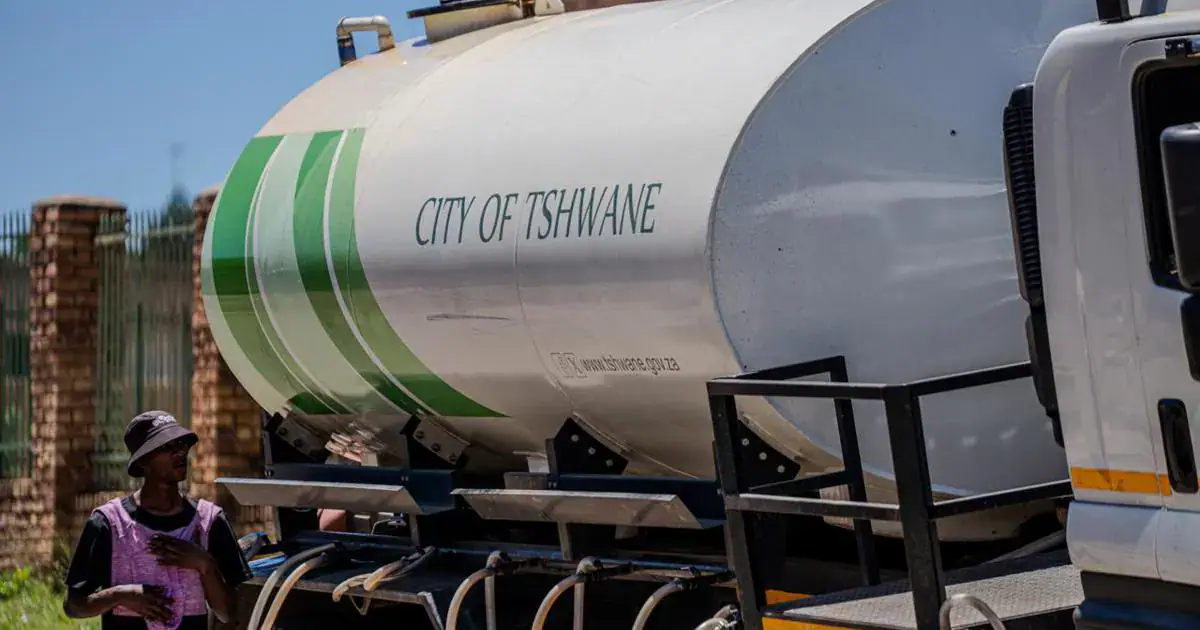
The SAHRC found that many municipalities in Gauteng are struggling to provide communities with reliable access to water. The commission's investigation revealed that the continued use of water tankers is a concerning issue. Commissioner Boshoff emphasized that it is unacceptable for metropolitan municipalities to spend hundreds of millions of rands annually on water tankering, which could be better utilized to upgrade infrastructure.
According to Commissioner Boshoff, the reliance on water tankers is often driven by self-interest and corruption. He stated that the procurement of water tankering is more lucrative for service providers and municipal employees, perpetuating a cycle of corruption. The SAHRC's findings suggest that this has resulted in the neglect of infrastructure upgrades, exacerbating the water crisis in Gauteng.
The water crisis in Gauteng has been a persistent issue, with many areas experiencing water supply interruptions and failing infrastructure. The City of Tshwane has been particularly affected, with a recent outbreak of gastrointestinal illness in Bronkhorstspruit, which has seen 833 reported cases. The Tshwane mayor has ordered an investigation into the contamination.
The SAHRC's findings have significant implications for the Gauteng government's review of South Africa's water and sanitation framework. The commission's concerns over the use of water tankers and corruption in the sector are likely to inform policy decisions aimed at addressing the water crisis. The Gauteng government has faced criticism for its handling of the water crisis, with some areas experiencing dry taps for extended periods.
Joburg Water has indicated that the city may only experience relief from dry taps in three months. However, Mayor Morero has stated that Joburg is not experiencing a water crisis, despite the challenges faced by residents. The differing assessments of the situation highlight the complexities of the water crisis in Gauteng and the need for a comprehensive solution.
The SAHRC's report is likely to contribute to the ongoing debate about the water crisis in Gauteng and the need for improved infrastructure and governance. The commission's findings emphasize the importance of addressing corruption and neglect in the water sector to ensure reliable access to water for communities.
Key points
- The SAHRC has linked the provision of water tankers to corruption, citing the lucrative nature of the procurement process for service providers and municipal employees.
- The commission's findings have significant implications for the Gauteng government's review of South Africa's water and sanitation framework.
- Many municipalities in Gauteng are struggling to provide communities with reliable access to water, with the continued use of water tankers being a concerning issue.