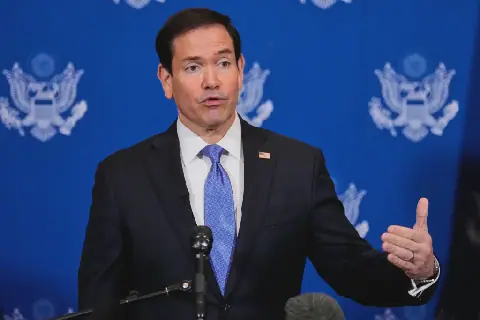
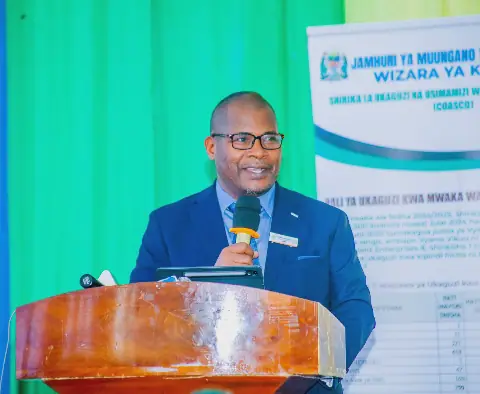
In a dramatic turn of events, KwaZulu-Natal Police Commissioner Nhlanhla Mkhwanazi made public allegations of a widespread criminal syndicate that had infiltrated South Africa's justice system. On July 6, 2025, Mkhwanazi held a press conference, presenting evidence of a complex web of corruption involving politicians, senior police officials, prosecutors, and businessmen. His allegations implicated President Senzo Mchunu and National Police Commissioner Shadrack Sibiya in a plot to dismantle the Political Killings Task Team.
Mkhwanazi's allegations centered on the claim that a syndicate had been working to undermine investigations into organized crime and political hits. He produced phone evidence that linked Mchunu to a criminal figure who had secured a R228-million police tender through a political "fixer." These revelations sparked a chain reaction, leading to the establishment of a Commission of Inquiry and subsequent suspensions and resignations of high-ranking officials.
The aftermath of Mkhwanazi's press conference saw significant developments, including the arrest and charging of Shadrack Sibiya on five counts, such as rape, human trafficking, and sexually grooming a minor. Sibiya, who was also being investigated for allegedly disbanding the unit meant to catch fleeing criminals, was remanded in custody. Meanwhile, Crime Intelligence's new overlord, Firoz Khan, was shot in Houghton, days before he was due to explain himself to a judge.
The alleged coup's would-be leaders have faced significant setbacks, with Sibiya currently incarcerated, Khan nursing gunshot wounds, and Andrea Johnson, the former IDAC boss, resigning amidst a disciplinary process. Mchunu, who was allegedly at the center of the plot, has had his house searched by the police, with electronic gadgets seized. These developments have raised questions about the extent of corruption within South Africa's justice system.
Mkhwanazi's actions have been hailed as a significant turning point in the fight against corruption. By speaking truth to power and presenting evidence of the alleged syndicate, he has helped to bring about accountability and transparency. His bravery in the face of potential backlash has been noted, with many acknowledging the importance of his role in upholding the integrity of the justice system.
The Madlanga Commission, established to investigate Mkhwanazi's allegations, is expected to deliver its findings in due course. While South Africans may be cynical about commissions of inquiry, the fact that a serving general felt compelled to speak out against corruption is a significant development. Mkhwanazi's actions have demonstrated that even within the system, there are those willing to stand up against wrongdoing.
The impact of Mkhwanazi's revelations will likely be felt for some time, with the courts now playing a crucial role in determining the fate of those implicated. As the country continues to grapple with the legacy of corruption, the importance of accountability and transparency has been underscored. Mkhwanazi's bravery has served as a reminder that even in the face of adversity, truth-telling can be a powerful tool for change.
Key points
- KwaZulu-Natal Police Commissioner Nhlanhla Mkhwanazi's public allegations of a criminal syndicate in the country's justice system have led to significant developments, including suspensions, resignations, and arrests.