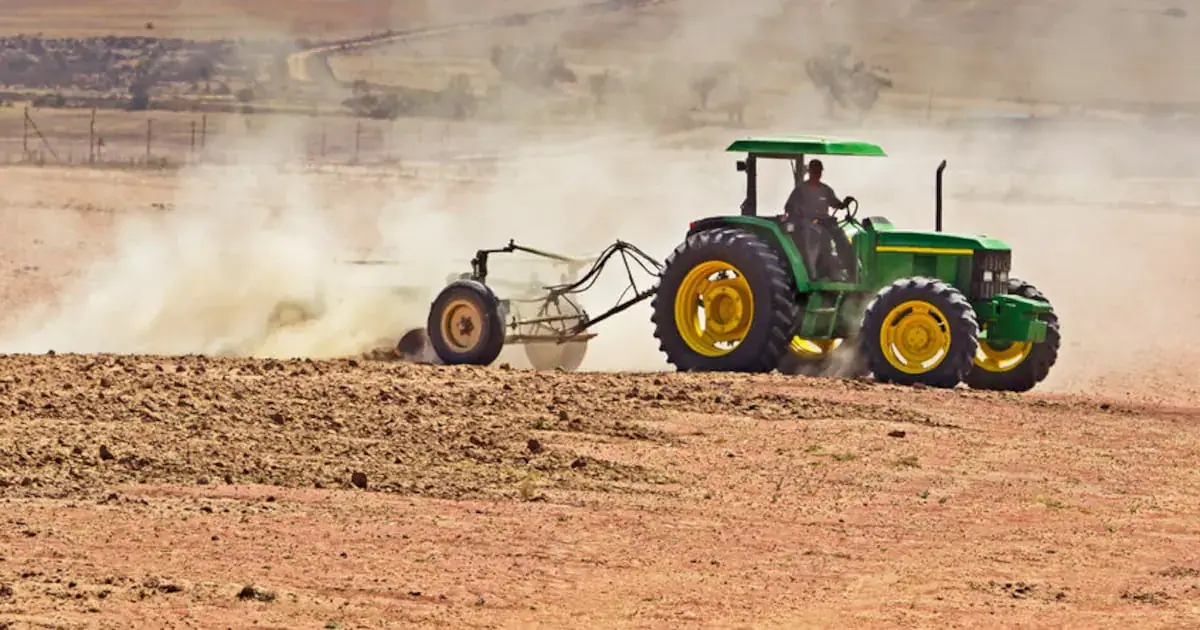
The heatwave sweeping across South Africa has raised concerns about the impact of an El Niño drought on the 2026/27 growing season. According to the Agricultural Business Chamber (Agbiz), farmers' planting intentions have decreased by 2% year on year to 4.5-million hectares. This reduction in planting area may lead to poor yields in some regions, particularly if producers continue to face high input costs, including fertiliser and fuel, which account for about half of the outlay for grains and oilseeds.
The Agbiz outlook report highlights the challenges ahead for South African farmers, citing continued financial pressure due to high input costs. The report notes that even if farmers plant the expected area successfully, poor yields are likely in some regions. The agricultural sector, which accounts for nearly 3% of GDP, is expected to show solid growth of about 6% in gross value added this year, mainly due to the robust harvest in particular grains and oilseeds, as well as decent harvests from the fruit industry.
However, a poor season next year could have significant implications for food inflation, which has remained in check in 2026 despite the headline number spiking above the South African Reserve Bank's 3%-6% target due to higher fuel prices. Governor Lesetja Kganyago has warned that El Niño could put renewed pressure on food prices, although South Africa is entering the potential weather shock in a better position than during the previous event.
In response to the potential impact of El Niño, finance minister Enoch Godongwana allocated R10bn in the medium-term budget policy statement to mitigate the effects of the drought. The Treasury now expects domestic growth to reach just 1.2% this year, down from an earlier forecast of 1.6%. The agriculture sector has grown by 3.5% this year, driven by strong horticulture and grain output, but El Niño is expected to raise costs and reduce output from late 2026 into 2027.
On a positive note, a report from global French credit insurance company Coface suggests that El Niño could offer opportunities for South Africa's sugar sector. The weather event has contributed to tighter global sugar supply, driving prices nearly 25% higher since the start of the year. This could benefit canegrowers who have long complained of being elbowed out of the domestic market by cheap imports from big producers such as Brazil and India.
According to Coface economist Simon Lecoume, South Africa produces approximately 2-million tonnes of sugar annually and accounts for roughly 1% of global sugar production. The industry remains strategically important to the country's agricultural economy and food value chain. As global supply tightens, South African businesses will need to navigate the implications of higher commodity prices and increased market volatility.
The impact of El Niño on South Africa's agricultural sector will be closely watched, particularly in the context of the country's economic growth. While the sector is expected to show solid growth this year, a poor season next year could have significant implications for food inflation and the broader economy. The government and farmers will need to work together to mitigate the effects of the drought and ensure a stable food supply.
Key points
- South African farmers have reduced their planting intentions by 2% year on year to 4.5-million hectares due to the looming El Niño drought.
- The El Niño drought could put renewed pressure on food prices, which have remained in check in 2026 despite higher fuel prices.
- The sugar sector may benefit from El Niño, with tighter global sugar supply driving prices nearly 25% higher since the start of the year.
Reporting sources
- # 3 Farmers plant 2% less as El Niño looms — will food cost more? · The Rand Daily Mail