The recent controversy surrounding pop star Ed Sheeran's United States concert tour has sparked a global debate on whether musicians should express their opinions on the Israel-Gaza conflict. In South Africa, musicians are also weighing in on the issue, with singer-songwriter Jeremy Loops arguing that artists should be free to express their views onstage. Loops cited South Africa's apartheid history and the international musicians who performed here despite the controversy.
Loops' comments came after rapper Macklemore was removed from Sheeran's tour for accusing Israel of "genocide" from the stage and showing images from Gaza. Jewish and pro-Israel billionaire Robert Kraft told Sheeran's team that Macklemore couldn't perform at one of his stadiums, citing that Macklemore's performance included statements and images that were "deeply offensive and hurtful to the Jewish community". Loops emphasized that while antisemitism is real and dangerous, so too is the dehumanization of Palestinians.
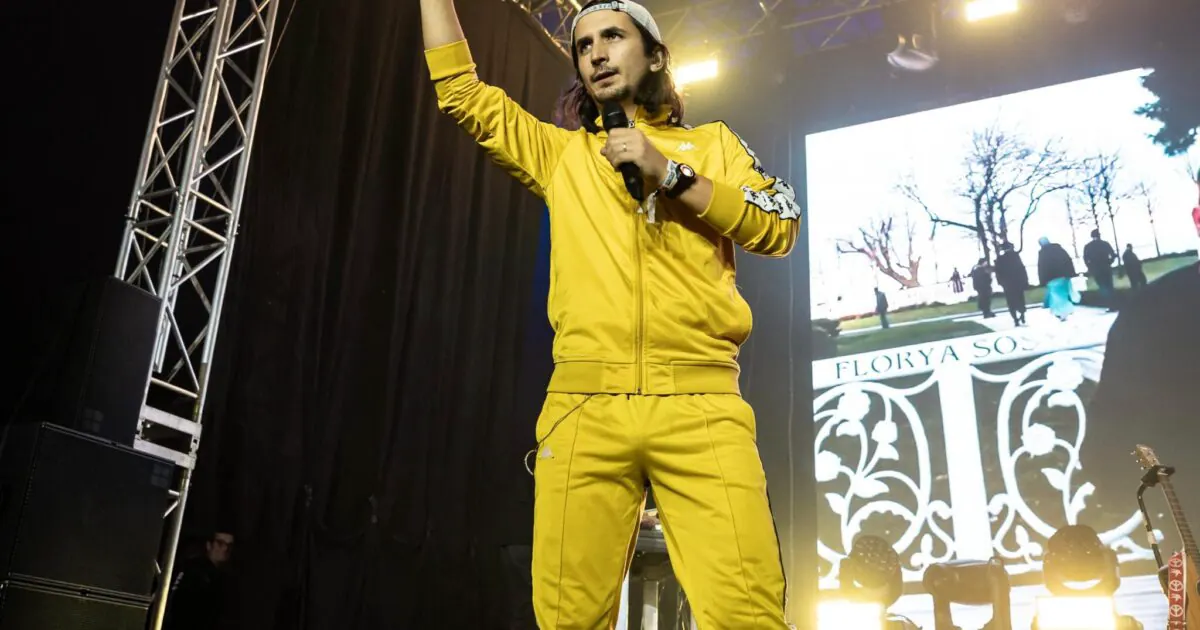
The controversy has put pressure on artists to speak out, especially on Sheeran himself. Despite his wishes to avoid political activism and spread unity through music, he was pushed to make a statement after his band and other support acts left the tour in solidarity with Macklemore. At a subsequent concert, Sheeran spoke of both the 7 October Hamas-led massacre against Israel and the ongoing suffering in Gaza. South African musician The Kiffness, whose real name is David Scott, shared a social media post expressing sympathy for the position in which Sheeran was placed.
Scott has himself been targeted by the anti-Israel lobby, which pressured Kirstenbosch National Botanical Garden to drop him from its Summer Sunset Concert line-up in December 2025. Scott argues that for artists with significant platforms, having a political voice should be a choice, not a responsibility. He believes that punishing artists simply for wanting to share music and bring people together without forcing them into geopolitical crossfire is deeply unfair.
Scott also highlighted the polarized cultural and political climate in South Africa, where artists face intense pressure to conform to a singular ideological narrative or face severe social and professional fallout. He shared his personal experience of facing backlash, including death threats, and how activists focus their attention on brands or venues that the artist works with if they don't respond to threats or intimidation.
Jewish singer-songwriter Cindy Alter, who was the lead singer of Clout, a South African all-woman band in the late 1970s and 1980s, is familiar with the struggle that characterized South Africa's road to democracy. Alter, who formed multiracial group Zia and fused politics and music to address apartheid, believes that every artist should be free to write what they want and express themselves as they see fit. However, she also emphasizes the importance of being well-informed before expressing any political opinion.
The debate highlights the challenges faced by artists in navigating complex and sensitive issues while maintaining their creative freedom. As the Israel-Gaza conflict continues to spark controversy, South African musicians and artists will likely continue to grapple with the question of whether art can be apolitical. Ultimately, the issue remains a contentious one, with different opinions and perspectives on the role of artists in addressing social and political issues.
Key points
- South African musicians are under pressure to take a political stand on the Israel-Gaza conflict.
- Artists face intense pressure to conform to a singular ideological narrative or face severe social and professional fallout.
- The controversy highlights the challenges faced by artists in navigating complex and sensitive issues while maintaining their creative freedom.