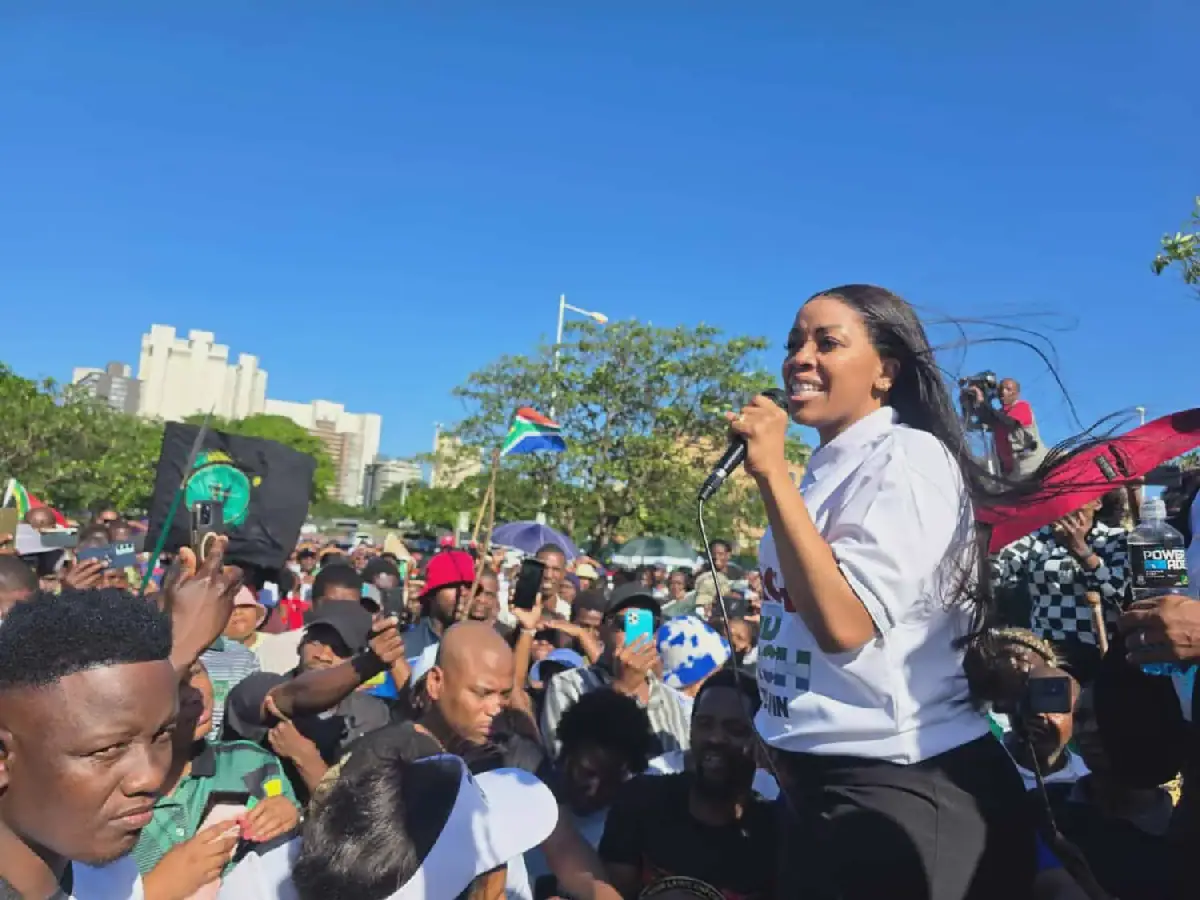
A Durban High Court judge has granted an interim order restricting the protests of March and March, a South African organisation. The order, issued by Judge Peter Olsen, prohibits night marches and bars participants from wearing masks, engaging in violence, looting, or burning houses. The organisation's legal representative, Xolani Zuma, stated that members would be allowed one final walkabout after being briefed on the order.
The police had applied for an interdict to stop the planned marches, citing concerns that continued protests could disrupt the upcoming local government elections. They also claimed resource constraints, with only 400 officers deployed to monitor marchers around Durban. March and March had filed responding papers opposing the proposed interdict. The organisation's protests will be restricted to between 10 am and 3 pm, with no weapons permitted, including sticks and knobkerries.
The interim order requires March and March to suspend its protests until November 6, after the local government elections. Once they resume, the marches will be restricted to between 10 am and 3 pm, with no weapons permitted. The full application will be heard on January 18, when the court will consider arguments from both sides. Xolani Zuma stated that the police had wanted the court to prohibit the organisation from ever marching again, but the court had refused.
The organisation's protests have been a point of contention, with the police and the organisation presenting differing views. The police had warned that continued protests could disrupt the upcoming elections. March and March had argued that the government was trying to silence the people. The court's decision allows for some flexibility, permitting marches to take place within specified hours and without weapons.
The use of traditional weapons, such as sticks and knobkerries, will not be permitted during the marches. The organisation's members will be allowed to march, but they will be subject to certain restrictions. The court's decision aims to balance the right to protest with the need to maintain public order and safety.
The local government elections are scheduled to take place before November 6. The court's decision ensures that the elections can proceed without disruptions from protests. The March and March organisation will have to wait until after the elections to resume its protests.
The full application will be heard on January 18, when the court will consider arguments from both sides. The court's decision will have implications for the organisation's future protests and the balance between the right to protest and public safety.
Key points
- The protests will be restricted to between 10 am and 3 pm with no weapons permitted.
- The organisation must suspend its protests until November 6, after the local government elections.
- The police had cited resource constraints, with only 400 officers deployed to monitor marchers around Durban.