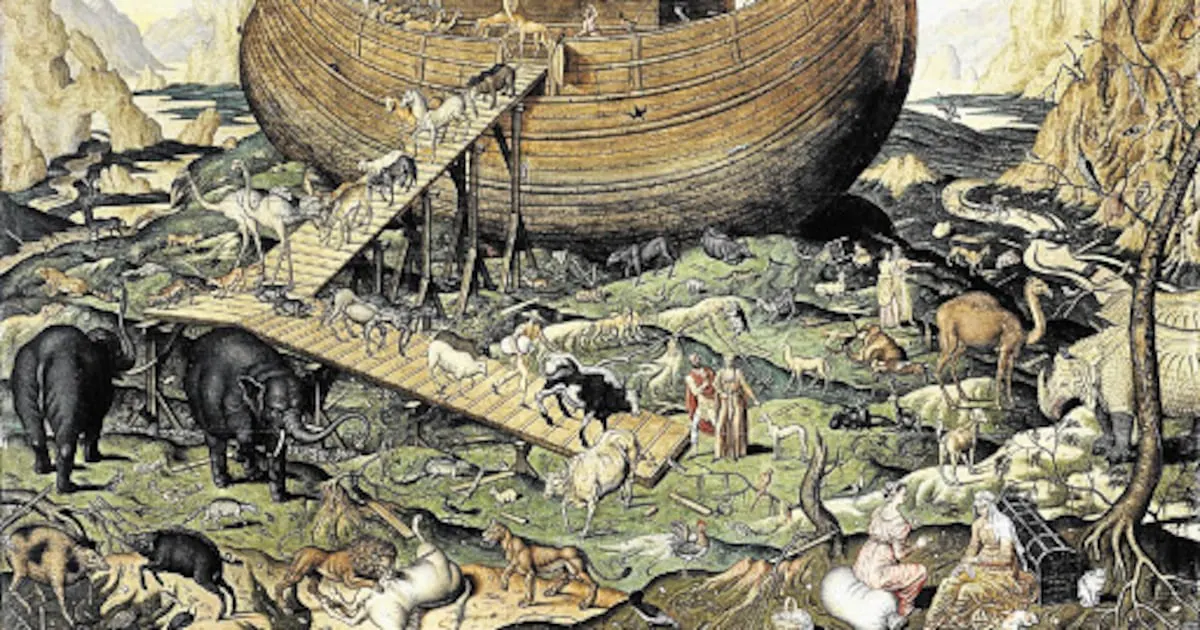
In a recent article, South African columnist Tom Eaton expressed concern about the resurgence of magical thinking in politics. He noted that tabloids have been asking if Noah's Ark has been found, with dubious reports of a team planning to drill core samples on a Turkish hillside to verify the existence of the famous boat. Eaton believes this phenomenon is a sign of a broader trend, where people are seeking refuge in myths and magic rather than confronting the complexity of the present.
Eaton argues that politics has always sold people magic and myth, but something has changed. Many individuals, disillusioned with the consequences of runaway capitalism and modernity, are turning to nostalgic and idealized visions of the past. This trend is evident in various movements, including Brexit and MAGA, which have tapped into people's desires for a simpler, slower, and more soothing past. Eaton believes that this nostalgia is a selling strategy, as the future appears increasingly frightening to both progressives and conservatives.
The columnist notes that the political right is particularly drawn to this nostalgia, which he describes as "catnip." He cites examples of Israeli fascists, like finance minister Bezalel Smotrich, promoting the establishment of "Greater Israel," and South Africa's own ethno-entrepreneurs dreaming of a restored homeland system. Eaton argues that this focus on the past is a departure from the promise of a Star Trek future of confident egalitarianism and collectivism based on science and reason.
Eaton believes that progressives can condemn this trend, but they must also understand that politics is a marketplace. He argues that sharp-eyed, sharp-toothed salesmen are seeing a gap and taking it, offering people a refuge from the complexity and uncertainty of the present. As the present appears to be a "hot mess" and the future a downer, many people will seek to retreat into older, more paternalistic forms of power.
The columnist warns that this trend will lead to a misallocation of blame, with certain groups, such as immigrants, gay people, unmarried women, experts, and nonconformists, being targeted as enemies of the state. He also notes that the economic system is being captured by powerful individuals, like AI billionaire Peter Thiel, who has expressed a preference for "evil" people over good ones because they are more competent.
Eaton argues that until the nation-state and constitutional democracy start delivering in a way people can feel, viscerally, the water will continue to rise, and eventually, a new flood will carry away the multitude to somewhere from which they might never return. He believes that people will continue to seek refuge in magical thinking and nostalgia unless the present and future offer more hope and promise.
Ultimately, Eaton's article is a call to attention, warning that the resurgence of magical thinking in politics is a symptom of a deeper issue. He urges readers to confront the complexity of the present and to be cautious of simplistic solutions that promise to return people to a mythical past. As the world grapples with multiple challenges, Eaton's words serve as a reminder of the need for nuanced and informed discussions about the future.
Key points
- The resurgence of magical thinking in politics is a symptom of a broader trend, where people are seeking refuge in myths and magic rather than confronting the complexity of the present.
- The political right is particularly drawn to nostalgia, which is seen as a selling strategy in a marketplace where people are looking for refuge from the complexity and uncertainty of the present.
- The trend of magical thinking in politics will lead to a misallocation of blame and the targeting of certain groups as enemies of the state.