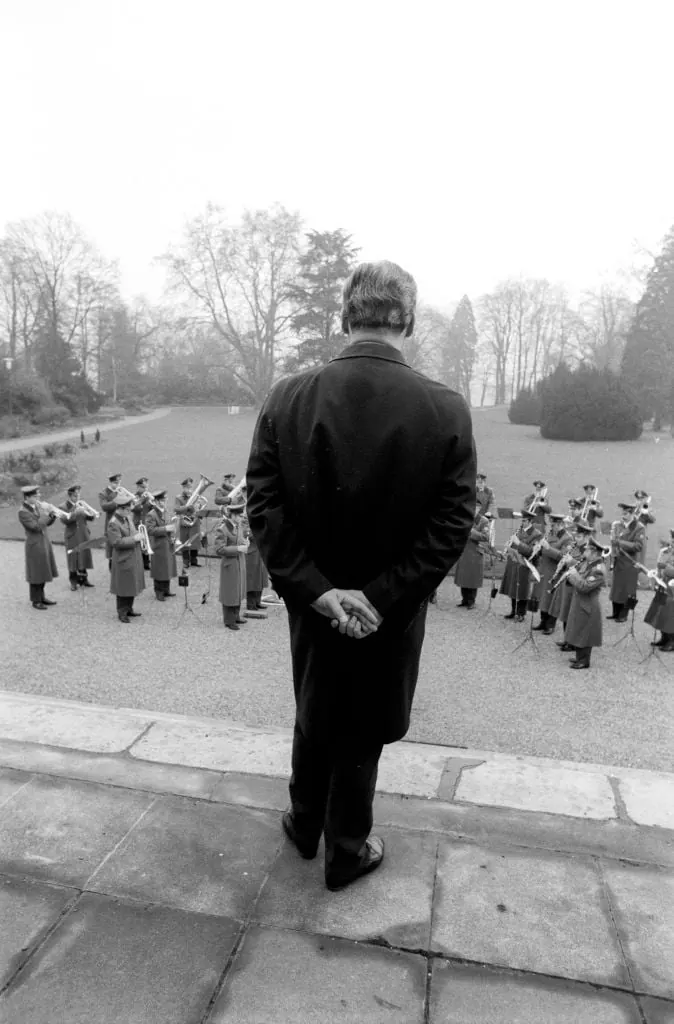
A recent article in Beeld, a South African Afrikaans-language newspaper, featured a column by Albe Grobbelaar titled "7 uur. ONTHOU JY NOG? | Willy Brandt". The piece reflected on the life and legacy of Willy Brandt, the former Chancellor of West Germany. Although the article was published in an Afrikaans-language newspaper, its content offers valuable insights into Brandt's impact on international politics.
Willy Brandt, born Herbert Ernst Karl Frahm, was a German politician who served as Chancellor of West Germany from 1969 to 1974. During his tenure, he implemented several significant policies aimed at improving relations between West Germany and its Eastern European neighbors. His efforts led to a substantial shift in West Germany's foreign policy, earning him international recognition and respect.
Brandt's most notable achievement was his policy of Ostpolitik, which sought to normalize relations with Eastern European countries, particularly the German Democratic Republic. This policy marked a significant departure from the confrontational approach of his predecessors and paved the way for détente in the region. His commitment to reconciliation and understanding helped shape the European political landscape.
In addition to his foreign policy accomplishments, Brandt was also known for his strong stance on social justice and human rights. As a member of the Social Democratic Party, he championed progressive causes and advocated for greater equality and opportunity for all citizens. His dedication to these principles earned him a reputation as a champion of the common man.
The impact of Brandt's policies extended far beyond Germany's borders. His leadership played a crucial role in shaping European politics and international relations during the Cold War era. Today, his legacy continues to inspire politicians and policymakers around the world, serving as a model for effective leadership and diplomatic engagement.
In South Africa, Brandt's influence may have been felt through his connections with anti-apartheid movements and his support for democracy in the region. As the country navigates its complex history and ongoing challenges, reflecting on the lives and achievements of leaders like Brandt can provide valuable insights and lessons for the future.
The article by Albe Grobbelaar serves as a testament to the enduring impact of Willy Brandt's life and work. By remembering and honoring his legacy, we can continue to learn from his experiences and strive for a more just and peaceful world. As the international community faces ongoing challenges and uncertainties, the principles and ideals championed by Brandt remain as relevant today as they were during his lifetime.
Key points
- Willy Brandt served as Chancellor of West Germany from 1969 to 1974.
- Brandt implemented the policy of Ostpolitik to normalize relations with Eastern European countries.
- His legacy continues to inspire politicians and policymakers around the world.