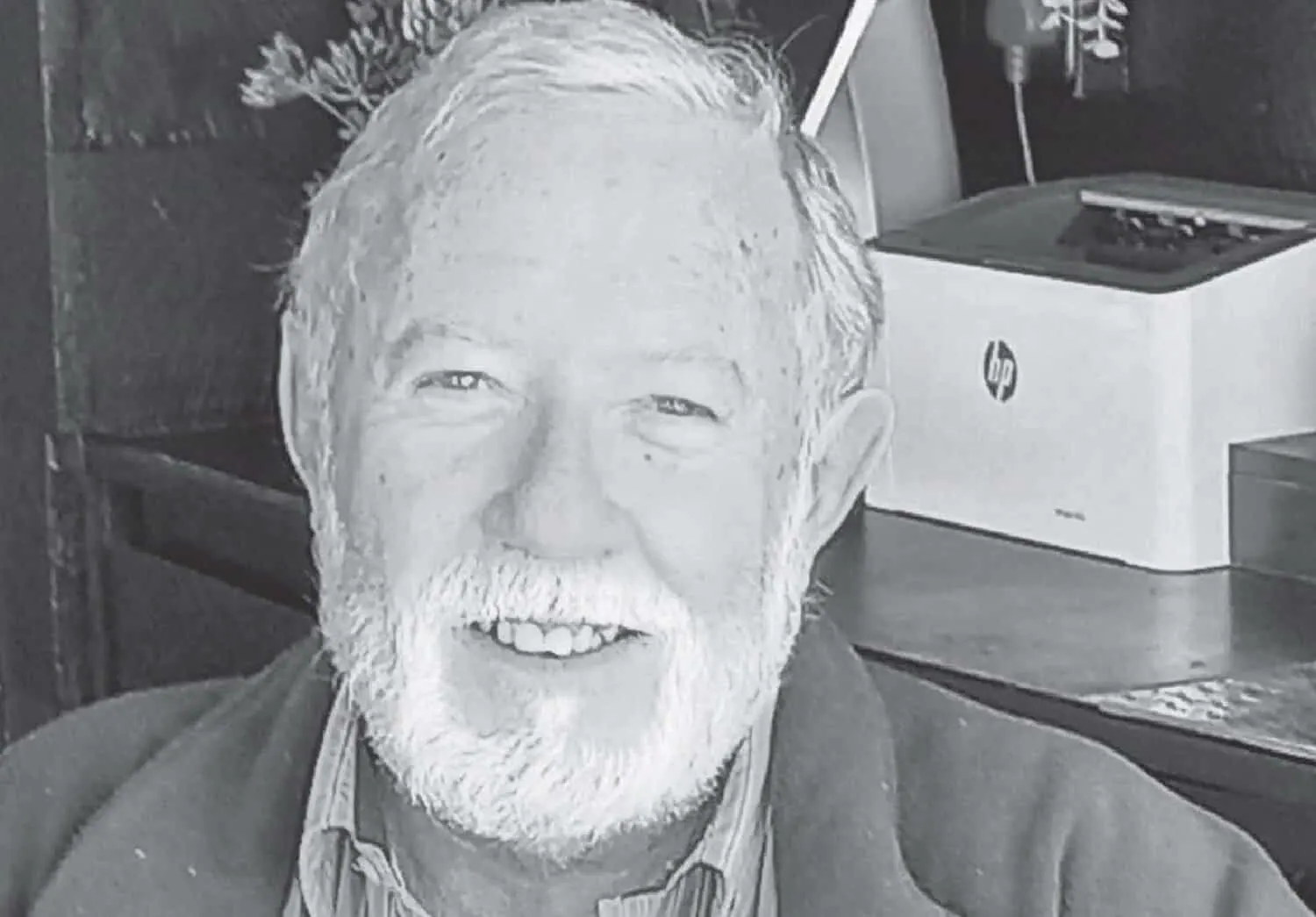
In a thought-provoking opinion piece published in The Witness, Conor O'Hagan Ward, a retired hotelier, ponders the significance of leaving a lasting legacy. He notes that while many people strive to be remembered, the reality is that human memory is fleeting and people's attention spans are short. Ward cites examples of historical figures like Winston Churchill and Genghis Khan, who are occasionally remembered on special occasions, but not frequently.
Ward argues that it's essential to focus on living in the present rather than worrying about one's legacy. He shares the story of Aristotle Onassis's mother, who allegedly said that she didn't want excessive crying or celebration after her death. Ward suggests that death is often overrated and that people should prioritize living their lives to the fullest. He also criticizes the lavish spending on funerals and the tendency to eulogize individuals with virtues they may not have possessed.
The columnist highlights the Irish tradition of wakes, where people gather to celebrate the life of the deceased with food, drink, and music. He notes that this custom can be seen as a way to honor the person's life, but also acknowledges that it's a costly and potentially ostentatious affair. Ward shares a humorous anecdote about a man who, on his deathbed, asks a question that must be answered truthfully, and the consequences of lying.
Ward's central argument is that people place too much emphasis on their legacy and not enough on living in the present. He quotes Edith Piaf's famous song, "Ne regrettez rien" (Regret nothing), and suggests that individuals should focus on enjoying their lives rather than worrying about how they will be remembered. He also shares a lighthearted remark about not wanting to leave if he can't take his possessions with him.
The columnist's reflections on mortality and legacy are rooted in his own experiences as a retired hotelier. He writes with a touch of humor and humility, acknowledging his own penchant for wine, women, and wildlife. Ward's article has sparked a range of reactions on social media, with many readers sharing their own thoughts on the importance of legacy and the fleeting nature of human memory.
While some readers may disagree with Ward's views on legacy and mortality, his article has sparked a valuable conversation about the human experience. He encourages readers to prioritize living in the present and to focus on enjoying their lives, rather than worrying about how they will be remembered. Ward's column is a thought-provoking contribution to the ongoing debate about the meaning and significance of human life.
Ultimately, Ward's article is a reminder that life is short and that individuals should make the most of the time they have. He encourages readers to cherish their memories, prioritize their relationships, and live life to the fullest. By doing so, people can create a lasting legacy that is not just a memory, but a lived experience that continues to inspire and influence others.
Key points
- Conor O'Hagan Ward argues that people place too much emphasis on their legacy and not enough on living in the present.
- Ward suggests that death is often overrated and that people should prioritize living their lives to the fullest.
- The columnist encourages readers to focus on enjoying their lives and to create a lasting legacy through their experiences and relationships.