South African columnist Mathatha Tsedu recently delivered a scathing critique of the narrative of white victimhood in South Africa and the US. In his column, Tsedu argued that those who have historically held power and privilege often claim victimhood when their superiority is challenged. He cited the example of Irish journalist Fintan O'Toole, who spoke at the St Martin-in-the-Fields Anglican church in London about the concept of victimhood and its relation to equality. O'Toole drew parallels between colonialism and contemporary issues, including the attempted resuscitation of the Orange March in Northern Ireland and the Israeli-Palestinian conflict.
Tsedu applied O'Toole's ideas to the South African context, where he argued that white South Africans often claim victimhood in response to efforts to address historical injustices. He cited the example of the negotiations between the African National Congress (ANC) and the apartheid government, which resulted in limited concessions to black South Africans. Tsedu argued that white South Africans continue to resist efforts to assert the dignity of ordinary black people, labeling such efforts as "racist" and designed to victimize whites as a group.
The issue of crime is a case in point, according to Tsedu. While violent crime is a major problem in South Africa, Tsedu argued that white victims are often singled out and presented as evidence of a broader narrative of "white genocide." He pointed out that crime is a societal problem that affects all South Africans, regardless of race, and that the private security industry has grown exponentially in gated estates and suburbs. Tsedu suggested that the focus on white victimhood serves to distract from the real issues facing South Africa and to undermine efforts to address inequality and injustice.
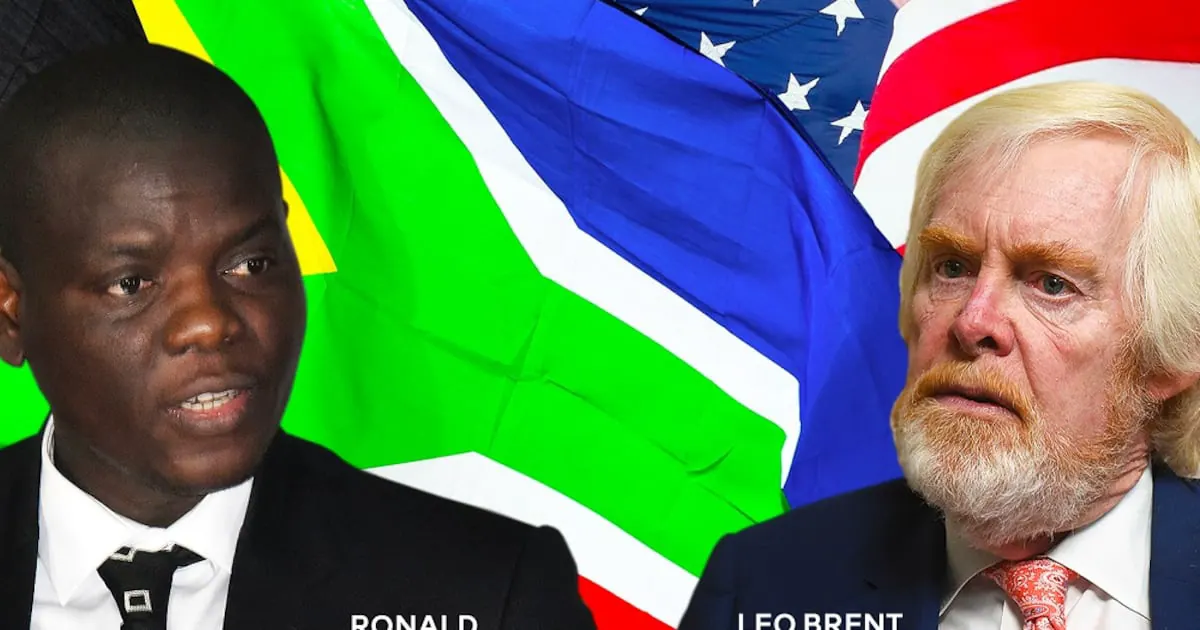
Tsedu also criticized the role of external actors, including the US government, in promoting the narrative of white victimhood. He cited the example of Ambassador Roelf Meyer's meetings with lobbyists in the US and Minister Ronald Lamola's demarches to the US ambassador. Tsedu argued that such efforts are unlikely to succeed in changing the US government's stance on the issue, which is driven by a desire to promote a particular ideology rather than a genuine concern for human rights or democracy.
President Matamela Ramaphosa has called for urgent measures to address the scourge of crime in South Africa, but Tsedu argued that the issue of white victimhood is a more fundamental challenge to democracy. He suggested that the demand for total surrender of democracy back to the racist past under the guise of white victimhood cannot be dealt with through speeches alone. Rather, Tsedu argued that it requires a more fundamental assertion of the dignity of ordinary people, regardless of race.
Tsedu's critique of white victimhood is part of a broader conversation about racism and inequality in South Africa. The country has a complex and fraught history of racial conflict, and efforts to address these issues continue to be contentious. Tsedu's column is a contribution to this conversation, and reflects his own experiences as a journalist and editor in South Africa.
The issue of white victimhood is likely to continue to be a contentious issue in South Africa and beyond. As Tsedu argued, it requires a nuanced and multifaceted response that addresses the root causes of inequality and injustice. By asserting the dignity of ordinary people and challenging the narrative of white victimhood, Tsedu and others hope to promote a more just and equitable society for all South Africans.
Key points
- Mathatha Tsedu critiques the narrative of white victimhood in South Africa and the US, arguing that it is used to undermine equality and justice.
- Tsedu cites the example of Irish journalist Fintan O'Toole, who spoke about the concept of victimhood and its relation to equality.
- Tsedu argues that the issue of crime in South Africa is often used to promote a narrative of white victimhood, rather than as a genuine concern for public safety.