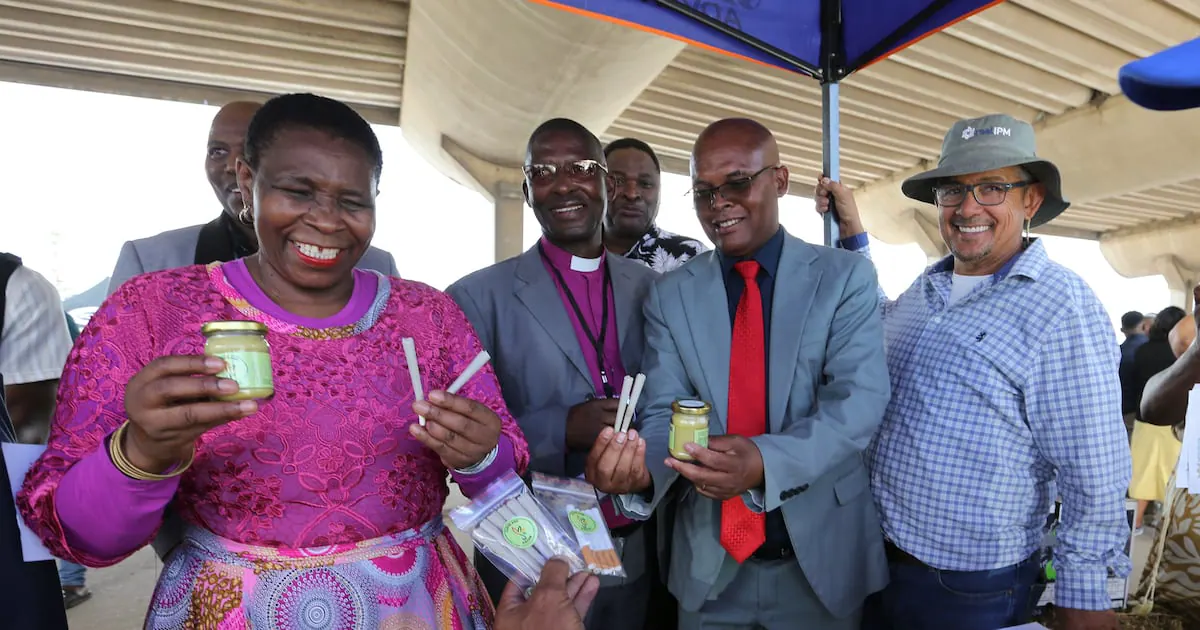
In 2021, Silverleaf Investments began raising capital for a cannabis venture, inspired by President Cyril Ramaphosa's announcement that hemp and cannabis could create over 130,000 jobs. The government had already initiated plans to industrialize and commercialize cannabis to support growth, jobs, and poverty alleviation. However, despite the optimism, the regulatory framework has been slow to materialize, leaving investors like Silverleaf struggling to navigate the market.
The 2018 Constitutional Court judgment allowed for private adult use, possession, and cultivation of cannabis, but did not legalize commercial buying and selling. The Cannabis for Private Purposes Act was signed in 2024 but has not yet commenced. Draft regulations released in February 2026 focus on private use, not the creation of an adult-use commercial market. As a result, investors have been forced to operate in a gray area, with many cannabis shops and clubs visible across South African cities, but without a clear lawful market.
Silverleaf Investments had initially forecast that investors would more than double their money within four years, but that did not happen. The company's investment strategy was focused on the regulated medical route, which is a demanding business requiring substantial expenditure on infrastructure, licensing, and regulatory compliance. However, the medical and export channels are not a general domestic adult-use market, leaving investors to bear the risk of a slow-moving regulatory environment.
The government's delays have created gaps that invite abuse, with investors having fewer reliable benchmarks to test valuations, sales forecasts, and routes to customers. Assumptions about future reform can find their way into business plans, making it harder to test questionable claims. Silverleaf and its investors have suffered losses, with some matters being dealt with through proper processes. The economic consequences of these delays reach further than one fund, with capital lost or tied up in failed investments unavailable for other businesses.
The government's inaction has also affected traditional and small-scale growers, who face problems from the other side. The government has repeatedly spoken about bringing them into the formal economy, but there is still no general lawful adult-use market through which that participation can occur. Justice Minister, reportedly, says recognition of traditional growers falls outside the private use act and must be dealt with elsewhere, leaving them in a state of limbo.
To address these issues, investors are calling on the government to finish the regulatory work it has spent years saying it intends to finish. Businesses need credible dates, and investors need to know which routes to revenue are lawful now and which still depend on legislation that may arrive later. The government should consider staged or conditional approvals, so investors are not required to commit full capital before knowing whether a project can proceed.
The experience of Silverleaf Investments serves as a cautionary tale for investors in South Africa's cannabis industry. While the demand for cannabis products is clear, the lack of a lawful adult-use market has left investors watching from the sidelines. As the government moves forward with its plans to regulate the industry, it must consider the needs of investors and businesses, providing a clear and stable regulatory framework that allows for growth and development.
Key points
- The government's delays in creating a lawful adult-use market have resulted in significant losses for investors in South Africa's cannabis industry.
- The regulatory framework for cannabis in South Africa is still in development, with draft regulations focusing on private use rather than commercial markets.
- Investors are calling on the government to provide a clear and stable regulatory framework, including credible dates and staged or conditional approvals, to support the growth of the industry.