For centuries, traditional patriarchal norms have defined manhood in South Africa, but these norms are being challenged. Boys and men are now grappling with what it means to be a man in the 21st century. Five recent South African books explore masculinity, vulnerability, and the emotional struggles of men trying to redefine manhood. These stories, both fictional and factual, shed light on the wounds and hopes men carry when making decisions in their homes, workplaces, and communities.
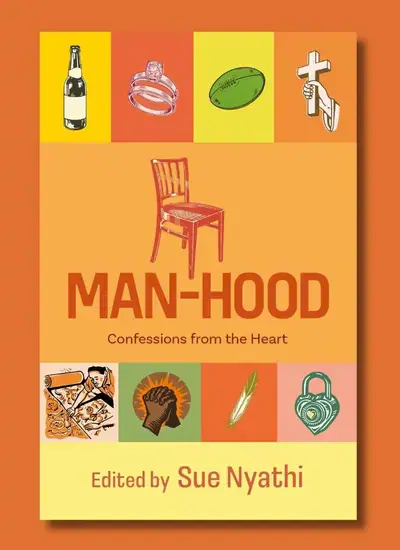
Editor Sue Nyathi's book, Man-hood: Confessions from the Heart, features 21 men who share their vulnerabilities, guilt, shame, and anxiety. The book encourages readers to listen with a compassionate heart and ear, offering stories of men's struggles with cultural norms, love, regrets, and accountability. This collection is a necessary contribution to the topic of manhood, alongside growing research, debates, and commemorative months focused on men's issues.
Nthikeng Mohlele's novel, Love, tells the story of Melvin Ramone, a complex man struggling with unresolved childhood traumas, loss, and the complexities of love. The protagonist, a lone divorced man, is preoccupied with rebuilding his life after losing a significant portion of his pension in divorce settlements. The novel explores themes of morality, accountability, and loneliness, offering insights into a man's mind wrestling with love, grief, depression, and purpose.
Pepe Marais' book, One Word: The Power of Simplicity in a Complex Business World, shares the author's journey from a shy, coloured boy growing up in an abusive household to becoming a renowned corporate leader. Marais' story highlights the importance of discovering one's purpose and its impact on vision and organisational culture. His book encourages corporate leaders to think differently about the role of business in society, promoting emotional intelligence, personal growth, empathy, and servant leadership.
Dr Mzamo Masito's book, The Country Hates our Boys, deals with the author's own mental health issues and the rejection he faced from loved ones. Masito's story is a reminder that men also struggle with mental health and that emotional intelligence and vulnerability are essential for betterment of society. These books signal a growing need to hear what men have to say for themselves, irrespective of the editor's or author's gender.
The five books, including Tumisang Shongwe's Our Brothers' Voices and Katsuya Watanabe's Snow and Silence, offer a range of perspectives on masculinity and vulnerability. They provide a platform for men to share their stories, struggles, and hopes, promoting a more nuanced understanding of manhood in South Africa. By exploring the complexities of masculinity, these authors aim to contribute to a more empathetic and compassionate society.
The exploration of masculinity in these books is timely, given the ongoing conversations about patriarchy, privilege, and social conditioning. By sharing their stories, these authors hope to inspire change and promote a more inclusive understanding of what it means to be a man in South Africa today. The books offer a valuable contribution to the national conversation, encouraging readers to engage with the complexities of masculinity and vulnerability.
Key points
- The books provide a platform for men to share their stories, struggles, and hopes, promoting a more nuanced understanding of manhood in South Africa.
Reporting sources
- The changing face of South African masculinity · Mail & Guardian