Relations between South Africa and the US have deteriorated, with domestic disputes becoming matters of American foreign policy. The Trump administration has created a refugee pathway for Afrikaners and other South African minorities, citing "racially motivated violence". This move has been sparked by concerns over violence against farmers, the "Kill the Boer" chant, expropriation, and South Africa's relationships with countries like Russia, China, and Iran.
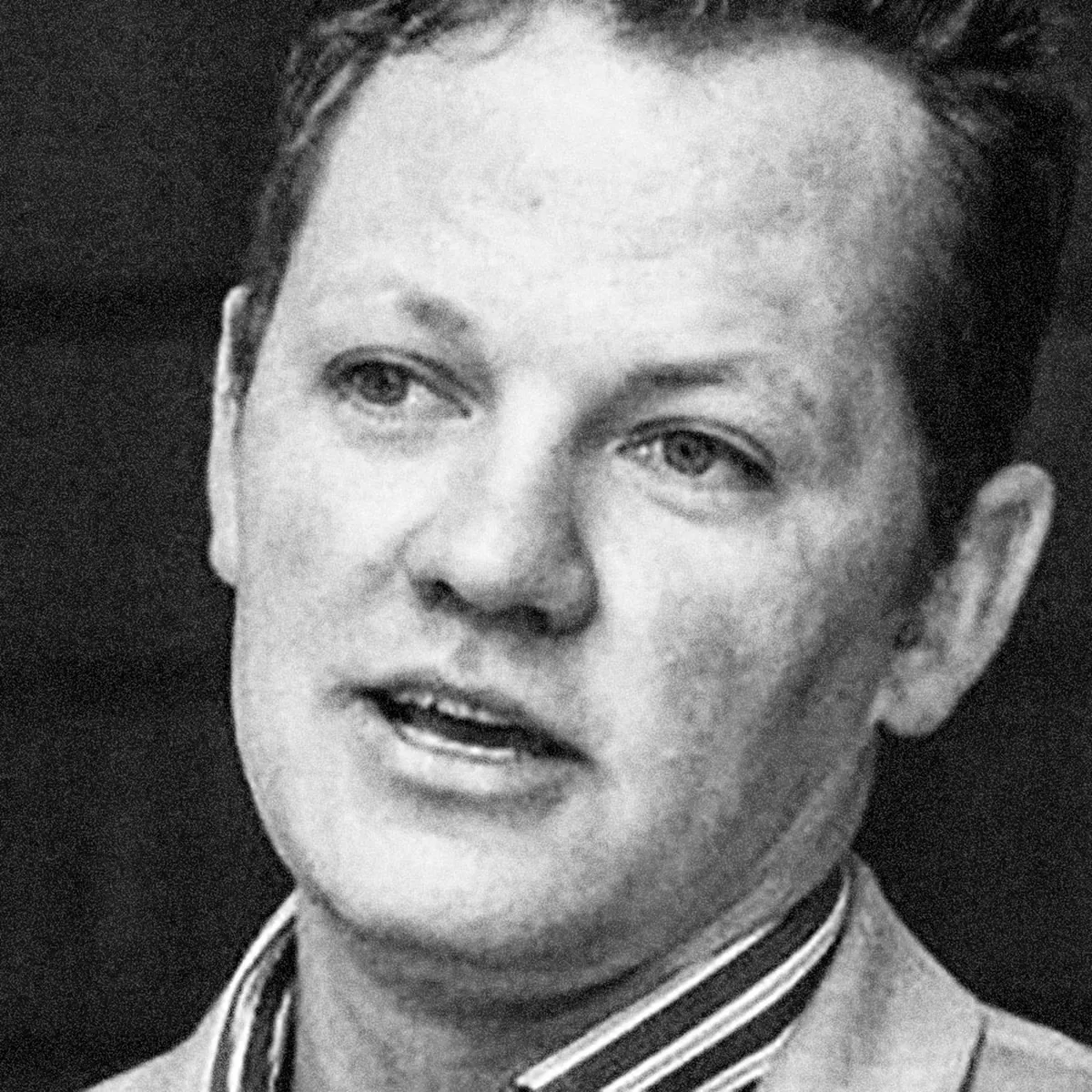
Dr. Marius Oosthuizen, a strategic foresight expert and Afrikaner, believes that while Washington has identified real problems, they have been forced into a racial morality play that mischaracterises South Africa. He notes that farm attacks are real, but the available evidence does not support the claim of a systematic campaign of racial extermination against white farmers. The Institute for Security Studies found that 49 farm murders represented about 0.2% of South Africa's 27,621 murders in the 2023-24 financial year.
Oosthuizen argues that South Africa has an extraordinary problem of violent crime, lawlessness, and inadequate criminal justice. The murder conviction rate has been only about 13% in recent years. While attacks on farmers are not unimportant, they should be placed in context. The victims of rural violence are not exclusively white, and individual attacks may have racial dimensions. However, this is different from evidence of a systemic government or societal campaign against whites.
The "Kill the Boer" chant has been a point of contention, with the Equality Court finding in 2022 that it did not constitute hate speech. The Supreme Court of Appeal upheld this decision in 2024, but the Constitutional Court refused AfriForum leave to appeal in March 2025. Oosthuizen notes that while the chant's historical context is important, South Africa has changed, and the new context merits consideration.
Oosthuizen suggests that a chant about killing an ethnic or cultural group has a radically different resonance when repeated at a present-day political rally. He argues that racially demeaning rhetoric directed against black South Africans should be equally unacceptable. A clear disavowal by President Cyril Ramaphosa of such rhetoric could be an act of nation-building.
The debate over land reform is complicated, with America urging precision. The Expropriation Act does not authorise indiscriminate confiscation of private property, but rather requires "just and equitable" compensation. Land ownership remains shaped by apartheid and colonial dispossession, making land reform integral to the democratic settlement.
Oosthuizen concludes that the American request for South Africa to protect rural communities from violence is understandable, but should rest on a fact-based characterisation of South Africa's crime crisis. The Afrikaner refugee programme should also be reconsidered, with individual South Africans who can establish genuine persecution treated accordingly, without converting an entire ethnic community into evidence of an imagined racial war.
Key points
- The US has created a refugee pathway for Afrikaners and other South African minorities, citing "racially motivated violence".
- South Africa's problems with crime, racial rhetoric, land reform, and foreign policy are serious, but do not add up to "white genocide".
- The debate over land reform and the "Kill the Boer" chant have sparked concerns about worsening racial divisions in South Africa.