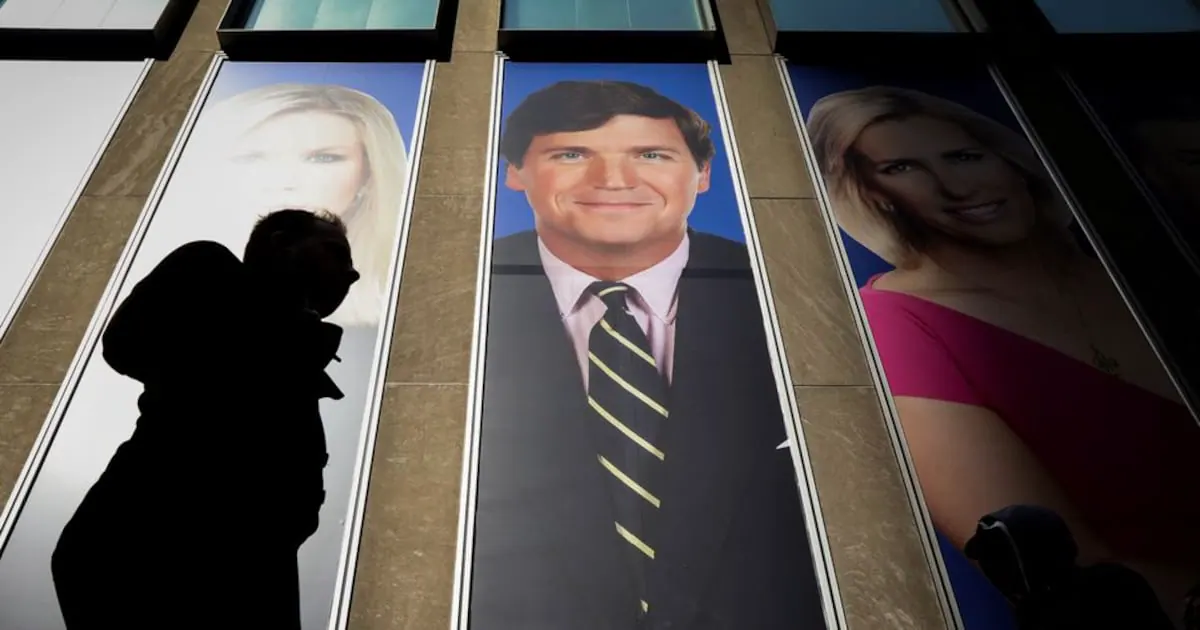
Influential American podcaster Tucker Carlson has reignited debate over his claims of a campaign of "ethnic cleansing" against whites in South Africa. Despite widespread refutations, Carlson released a new video interview with a traumatized Afrikaner farmer who experienced extreme violence during an attack in 2010. The interview was promoted with a sensationalized hook, drawing criticism for using a real violent crime to sell a fictional narrative. Carlson's claims have been rejected by various individuals, including Kallie Kriel, a former colleague of Ernst Roets, and AgriSA CEO Johann Kotzé.
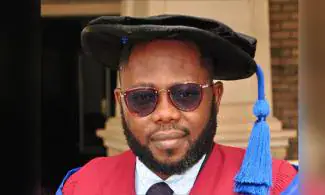
Carlson first mainstreamed the false claim in 2018, suggesting to Roets that there was a disorganized but intentional campaign to crush a racial minority within South Africa. However, many have since rejected and refuted the claim, citing a lack of evidence to support it. Kotzé, a white Afrikaner who works closely with farmers, wrote an op-ed stating that South Africa has a violent crime problem, but not a genocide of white communities. The debate highlights the complexities of South Africa's crime issues and the need for nuanced discussions.
The controversy surrounding Carlson's claims has sparked concerns about manipulation and disinformation. The podcaster's persistence in promoting the "white genocide" myth has raised questions about his motivations and potential consequences for South Africa. Some have speculated that the claims may be linked to MAGA's efforts to rally Donald Trump's white supremacist base or punish South Africa for accusing Israel of genocide in Gaza.
Critics argue that tolerating the lie that white people have it worse in South Africa than their black compatriots is an insult to those who fought to overthrow apartheid and to millions of black people still living in poverty and violence due to the legacy of that racist history. Whites are safer and richer than any other group in South Africa, and casting them as victims of the democratic dispensation is seen as an attempt to discredit and undermine the freedoms achieved only a generation ago.
In response to Carlson's claims, many are urging white South Africans to push back against the narrative. Pointing out that Carlson is lying or that Roets is presenting a skewed picture of South African crime is not a denial that farmers have been attacked. Denouncing the lie of white genocide doesn't mean supporting the ANC, but rather stating the truth and calling out lies. White South Africans still live in a constitutional democracy with freedom of speech and can declare their love for the country while condemning the government's failures.
The issue has also sparked debate about the potential consequences of secession and the breakup of the republic. Some have expressed concerns that the "white genocide" myth could be used to justify Afrikaner secession or even foreign intervention. The controversy highlights the need for unity and nuanced discussions about South Africa's complex issues.
As the debate continues, it is clear that a dangerous lie is being told in the name of white South Africans. The machine pushing this narrative has targeted South Africa, and it is now up to its citizens to push back. By stating the truth and calling out lies, white South Africans can help prevent further manipulation and promote a more unified and informed discussion about the country's challenges.
Key points
- Tucker Carlson's claims of 'ethnic cleansing' against whites in South Africa have been widely refuted.
- The controversy has sparked concerns about manipulation and disinformation.
- White South Africans are urged to push back against the narrative and state the truth about the country's challenges.