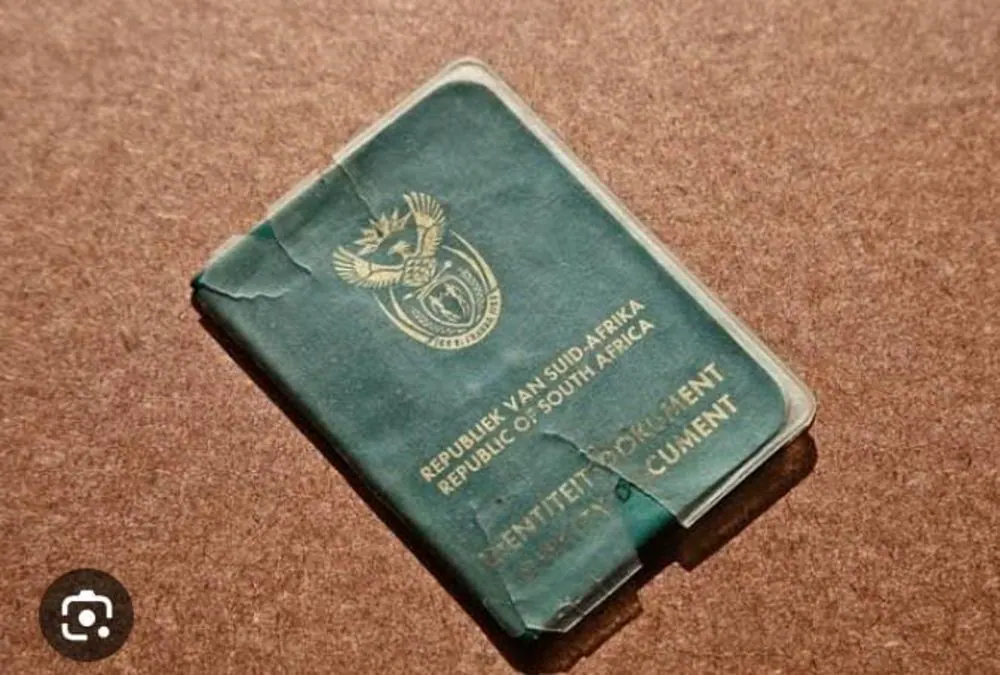
The South African Department of Home Affairs has announced plans to phase out 14.7 million older smart cards, also known as green barcoded smart cards, by March 31, 2028. This move is part of the department's efforts to combat corruption and strengthen national identity. The older smart cards have been prone to tampering and have contributed to identity theft and fraud.
According to Home Affairs Minister, Dr. Leon Schreiber, the older smart cards will no longer be issued as of March 31, 2027, and will be replaced with smart ID cards. The minister cited the high levels of corruption associated with the older smart cards, which have been used to facilitate identity theft and other crimes. He emphasized that the new smart ID cards will be more secure and will help to prevent identity fraud.
The Department of Home Affairs has made significant progress in issuing smart ID cards, with over 800,000 people having already obtained them through banks. The department aims to reduce queues at its offices by allowing banks to issue smart ID cards and passports. This process is expected to take only a few minutes and will not require applicants to take time off work.
The smart ID cards will be issued free of charge to first-time applicants and to those aged 60 and above. The department has also introduced a new mobile smart ID card system, which will allow people to apply for smart ID cards using their mobile phones. This system is expected to increase access to smart ID cards and reduce the need for people to visit departmental offices.
The new smart ID cards will contain all the necessary information, including birth and marriage certificates, making it easier for people to access services and prove their identity. The department aims to have all citizens in possession of smart ID cards by 2029, which will help to strengthen national identity and prevent identity fraud.
The Department of Home Affairs is also working on introducing an e-Passport, which will contain advanced security features to prevent tampering and identity theft. The e-Passport is expected to make it easier for South Africans to travel abroad and will also help to reduce the risk of identity fraud.
The phasing out of older smart cards is part of the Department of Home Affairs' efforts to modernize its services and prevent corruption. The department's plans have been welcomed by many, who see it as a positive step towards strengthening national identity and preventing identity fraud. The department aims to complete the rollout of smart ID cards and e-Passports by 2029.
Key points
- The South African government aims to phase out 14.7 million older smart cards by March 31, 2028.
- The new smart ID cards will contain advanced security features to prevent tampering and identity theft.
- The Department of Home Affairs aims to have all citizens in possession of smart ID cards by 2029.