The National Treasury in South Africa has been working to build a track record of fiscal delivery over the past three years. Ahead of the medium-term budget policy statement on October 21, the treasury confirmed it is on track to meet its fiscal targets. The treasury's fiscal strategy is anchored by two objectives: stabilising the debt-to-GDP ratio in the 2025/26 fiscal year and then reducing it, and running growing primary surpluses.
The government has now run primary surpluses for three consecutive years and is on track to deliver a fourth, a feat not achieved since the 2008 global financial crisis. A growing primary surplus is critical to the fiscal strategy as it allows debt to stabilise as a percentage of GDP and eventually decline. This year, a primary surplus of around R131bn is projected, R100bn more than three years ago.
The latest monthly revenue numbers show collections running ahead of budget estimates despite fuel levy relief, mainly due to strong corporate income tax collections. Robust revenue will help buffer the fiscal framework. The finance minister will provide an update on the government's reforms under Operation Vulindlela to boost economic growth and investment at the medium-term budget policy statement.
One of the key reforms is the restructuring of the electricity industry. The government's intention to create a more competitive electricity market dates back to the early days of democratic South Africa. Changes to the electricity regulatory regime have allowed private investment in renewable energy projects to surge over the past five years, helping to restore a reliable supply of electricity.
The restructuring of Eskom to establish an independent transmission company is a key enabler to unlock massive investment in transmission infrastructure. The National Transmission Company of South Africa was established two years ago as a subsidiary of Eskom, and the next step is to secure its independence by transferring ownership and control of the assets to an independent transmission system operator.
The creation of the transmission system operator will be done in a manner that ensures Eskom is no worse off, the transmission entity is financially sustainable, and the fiscal strategy remains on track. The government will ensure the unbundling process is carefully sequenced and managed to address all risks.
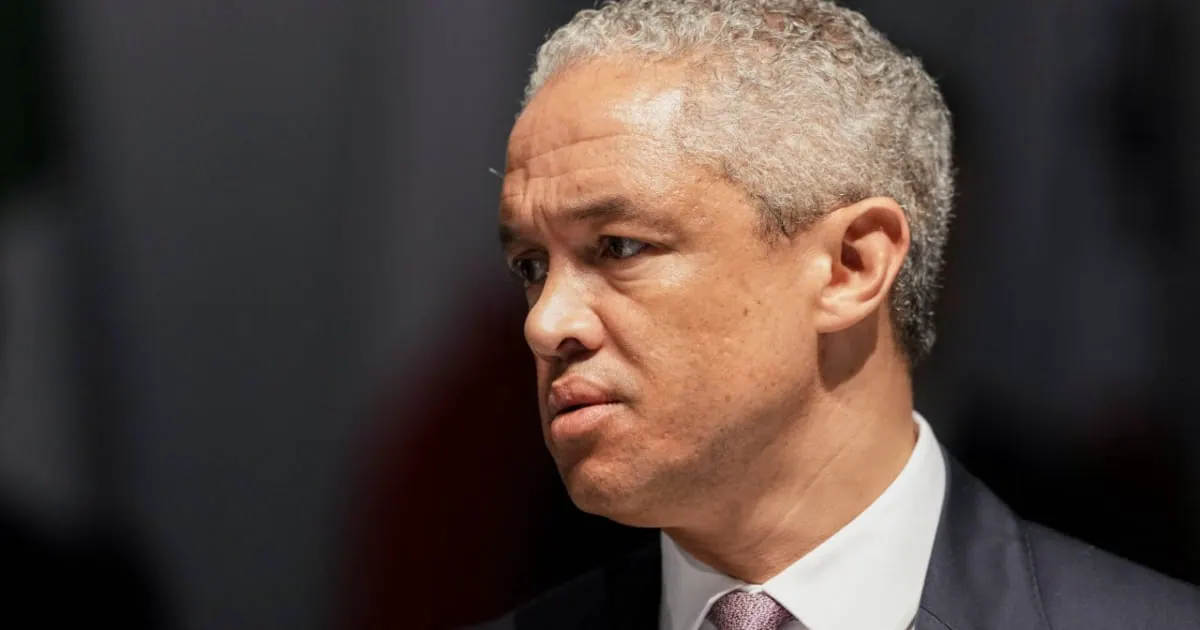
The reforms aim to create the conditions for higher economic growth and faster job creation, and to ensure the resources are available to protect the most vulnerable in society. According to Duncan Pieterse, director-general of the National Treasury, the government's focus on sound management of public finances and reforms will help unlock higher investment and growth in South Africa.
Key points
- The South African government is on track to deliver on its fiscal targets despite a deteriorated outlook for growth and inflation.
- The restructuring of the electricity industry is a key reform to boost economic growth and investment.
- The creation of an independent transmission system operator is expected to unlock massive investment in transmission infrastructure.