The South African government is seeking a more flexible approach to settling medical negligence claims, arguing that the current lump-sum payment system is unsustainable. The government faces over R50bn in medico-legal claims from aggrieved patients. The Eastern Cape, Gauteng, and Limpopo provinces account for 74% of these claims, with the Eastern Cape leading the charge to change the settlement system. The province has approached the Constitutional Court to allow for further medical treatment instead of cash payouts.
The Eastern Cape's MEC for health, Ntandokazi Capa, argues that the current system is unaffordable, citing the country's resource-constrained environment. Capa's affidavit states that the state should provide medical treatment at a reasonable standard in one of its facilities or pay for treatment in the private sector. This approach would ensure full compensatory treatment without diverting millions of rands towards a single family and its lawyers. Capa's proposal aims to provide ongoing medical care without depleting provincial health department funds.
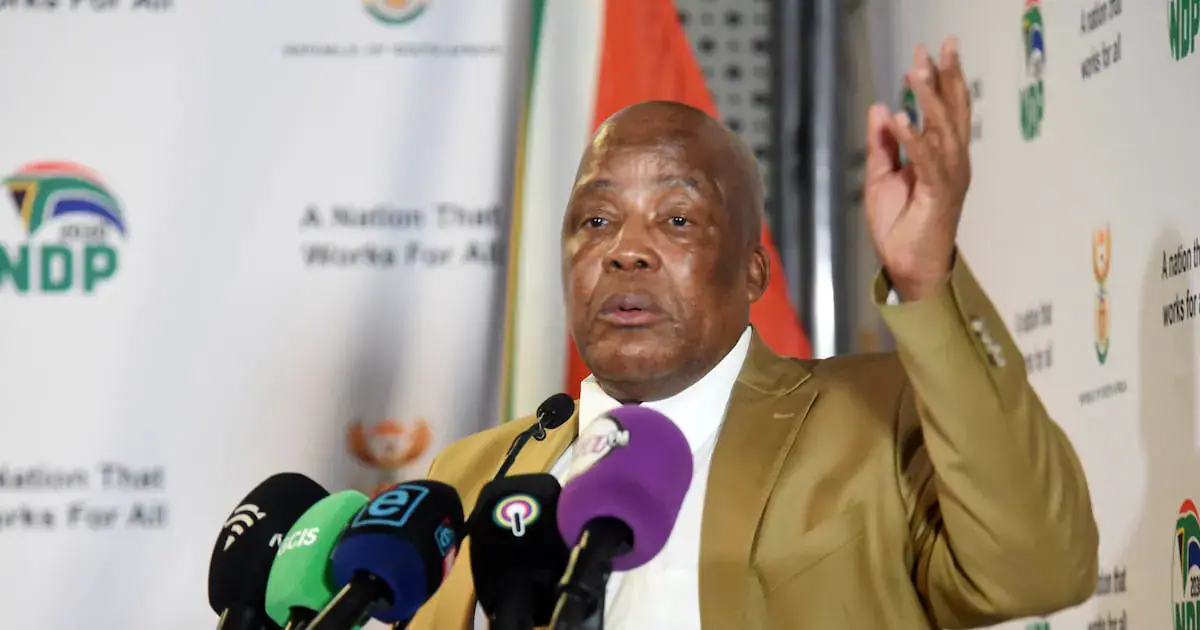
National Health Minister Aaron Motsoaledi supports the Eastern Cape's bid, arguing that an inflexible requirement for cash lump-sum payouts is not justifiable in South Africa's fiscal environment. Motsoaledi's affidavit states that large contingent liabilities are recorded in provincial health departments' financial statements, which can impact the national budget. The minister notes that claims for medical negligence are not budgeted for, resulting in significant financial burdens on provincial health departments.
To bolster its case, the government has enlisted the expertise of former National Treasury official Andrew Donaldson. Donaldson's affidavit warns that the current medical claims regime poses a threat to South Africa's ability to provide public healthcare, which caters to over 80% of the population. He notes that the annual increase in claims against state health departments exceeds the real increase in resources available for health service delivery.
The government's proposal has sparked concerns from Wim Trengove, who represents the family of the child at the center of the landmark case. Trengove argues that the state's solution would perpetuate South Africa's deep inequalities, favoring those who can afford private healthcare over those who rely on public hospitals. The outcome of the Constitutional Court case will have implications for recent proposals by the Law Reform Commission.
The Law Reform Commission has recommended that medical negligence payouts against the state exceeding R2m be shifted towards structured settlements, with most future damages paid periodically over the lifetime of an injured person. This proposal aims to reduce the financial burden on provincial health departments while ensuring that claimants receive ongoing medical care.
The Constitutional Court case will determine the future of medical negligence claims in South Africa. The court's decision will have far-reaching implications for the country's healthcare system, which caters to over 80% of the population. A ruling in favor of the government could lead to a more sustainable approach to settling medical negligence claims, while a ruling against the government could exacerbate the financial burden on provincial health departments.
Key points
- The South African government faces over R50bn in medico-legal claims from aggrieved patients.
- The government is seeking a more flexible approach to settling medical negligence claims, arguing that the current lump-sum payment system is unsustainable.
- The outcome of the Constitutional Court case will have implications for recent proposals by the Law Reform Commission to shift medical negligence payouts towards structured settlements.
Reporting sources
- State seeks new remedy in medical negligence claims · The Sunday Times