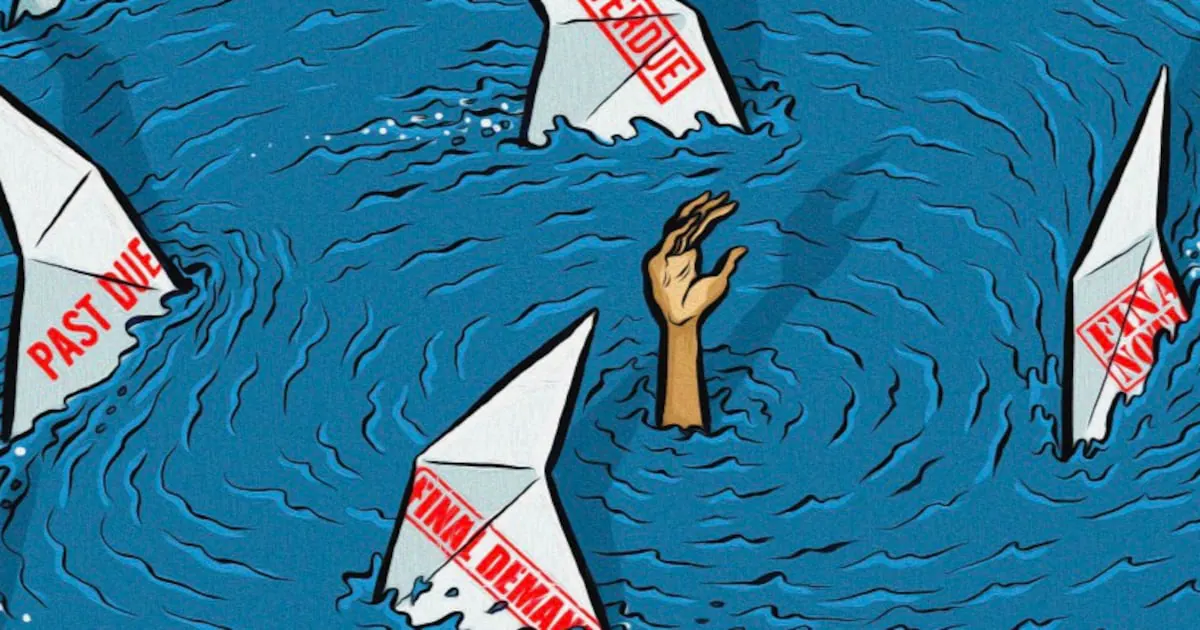
South Africa is grappling with a growing youth credit problem that requires urgent attention. The ease of access to credit has led to a situation where young people are using it to finance everyday expenses, such as groceries, transport, and lifestyle purchases. This trend is worrying, as it can quickly lead to debt becoming a trap. According to experts, a R500 purchase split into smaller payments still costs R500, and a ticket bought on instalment is still a debt.
The real danger lies in the fact that credit is quietly becoming part of everyday survival for young people. When future income is already spoken for before it arrives, young people are not building wealth; they are renting the illusion of affordability. Credit can be a useful tool when used wisely, helping with emergencies, cash flow, and building a healthy credit record. However, when borrowing becomes a bridge between income and ordinary living costs, it stops being a tool and starts becoming a trap.
The trap is especially dangerous for students and young workers, who are already under pressure from high living costs, limited income, and powerful social pressure to appear as if they are doing well. Social media exacerbates the problem, as young people compare themselves with lifestyles that may be financed by debt. The pressure to keep up appearances can lead to a vicious cycle of borrowing, with many young people using buy now, pay later products to make purchases.
These products have made it easier for young people to access credit, with smaller payments feeling manageable and "interest-free" sounding safe. However, smaller instalments do not make a purchase cheaper; they simply move the pain forward. Missed payments, default fees, and multiple overlapping obligations can quickly turn convenience into anxiety. The debt may begin as one small purchase, but it can grow into a pattern where every payday is already divided before the money lands.
To avoid falling into this trap, young people need to ask themselves a crucial question: "Can I repay this without borrowing again?" This question is uncomfortable because it exposes the truth. If a person needs the next loan, instalment plan, or credit facility to survive the earlier one, they are not managing credit; credit is managing them. It is essential to stop treating this as a matter of individual discipline only and to admit that many are borrowing because the cost of living has moved faster than their income.
Financial literacy is crucial in addressing this issue. Young South Africans need practical, not theoretical, knowledge of credit. They need to understand how one instalment affects the next month, how missed payments damage future opportunities, and how debt can limit choices. They also need to know how to recognise the difference between a real need and a lifestyle signal. This knowledge will give them the confidence to say no, even when approval is instant and everyone else appears to be saying yes.
Ultimately, South Africa needs young people who can take part in the economy without spending tomorrow's income today. Credit can open doors, but it can also quietly lock them. The goal should not be to teach young people how to qualify for more borrowing but to help them build lives where credit is a choice, not a lifeline. By promoting financial literacy and providing support, education, and honest financial conversations, South Africa can empower its youth to make informed decisions about credit and build a more stable financial future.
Key points
- South Africa's youth credit problem requires urgent attention to prevent a generation from falling into debt traps.
- Financial literacy is crucial in addressing this issue, and practical knowledge of credit is essential for young people.
- The goal should be to help young people build lives where credit is a choice, not a lifeline.