South Africa's water services crisis continues to worsen, with ageing infrastructure and poor maintenance remaining central concerns. The Water Institute of Southern Africa (WISA) and the Organisation Undoing Tax Abuse (OUTA) have warned that accountability must be matched by systemic reform, sustained investment, and political oversight. The proposed Water Services Amendment Bill aims to introduce personal consequences for municipal managers who fail to deliver reliable water supplies.
The Bill's principle is sound, according to WISA CEO Dr Lester Goldman and chairperson Dr Ashton Mpofu, as water delivery is a fiduciary duty, and personal accountability could deter negligence and corruption. However, they cautioned against holding managers responsible for issues beyond their control, including budgets and procurement decisions controlled by political structures. They emphasized that professionals should be judged not only on outcomes but also on whether they acted responsibly and ethically within their mandate.
WISA and OUTA stressed that the scale of the infrastructure crisis makes it unrealistic to expect one municipal manager to resolve decades of deterioration. Managers should be expected to stabilize operations, strengthen compliance, report risks honestly, and lead their teams responsibly within available resources. OUTA Support Services Executive Manager Julius Kleynhans agreed that personal liability is necessary for corruption or gross negligence but called for clear distinctions between willful misconduct and lawful actions taken in good faith under resource constraints.
Kleynhans emphasized that relevant considerations should include whether the manager ignored technical warnings, diverted or misused funds, permitted irregular procurement, failed to implement funded maintenance plans, appointed unqualified personnel, or neglected to act despite having the authority and resources to do so. Furthermore, it is critical to ensure that similar accountability mechanisms apply to councillors or political leadership who interfere or are the root cause of such outcomes.
Accountability should be based on evidence rather than simply making the person occupying the position the automatic scapegoat for every service failure, according to Kleynhans. He also noted that reversing decades of wastewater infrastructure deterioration requires national investment and specialist capacity. However, some municipalities could make significant progress within a single term by prioritizing finances, managing resources, and ensuring basic services.
The legislation will be most effective if it combines personal consequences for corruption and gross negligence with clear obligations on national and provincial governments to provide funding, technical support, and realistic infrastructure rehabilitation timelines, Kleynhans said. He also warned that if similar penalties don't apply to politicians, municipalities may find themselves without municipal managers or more acting roles with little to no change.
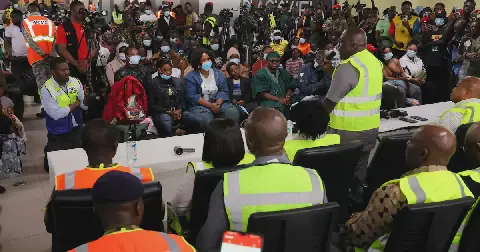
The public hearings in Mpumalanga, North West, and Limpopo have called for reliable water supplies, better infrastructure maintenance, and stricter accountability for officials responsible for failing municipalities. The Water Services Amendment Bill aims to address these concerns, but its effectiveness will depend on its implementation and the commitment of all stakeholders to systemic reform and accountability.
Key points
- Personal accountability for municipal managers is necessary but must be accompanied by systemic reform and clear obligations on national and provincial governments.
- The scale of the infrastructure crisis makes it unrealistic to expect one municipal manager to resolve decades of deterioration.
- Accountability mechanisms should apply equally to councillors or political leadership who interfere or are the root cause of service failures.