The South African government has been criticized for failing to implement its plans to address gender-based violence and femicide (GBVF). In 2019, President Cyril Ramaphosa convened a joint sitting of parliament to address the issue, promising to direct R1.1 billion in additional funding towards GBVF. However, an investigation by the Rand Daily Mail found that the government had not provided sufficient funding to support its plans.
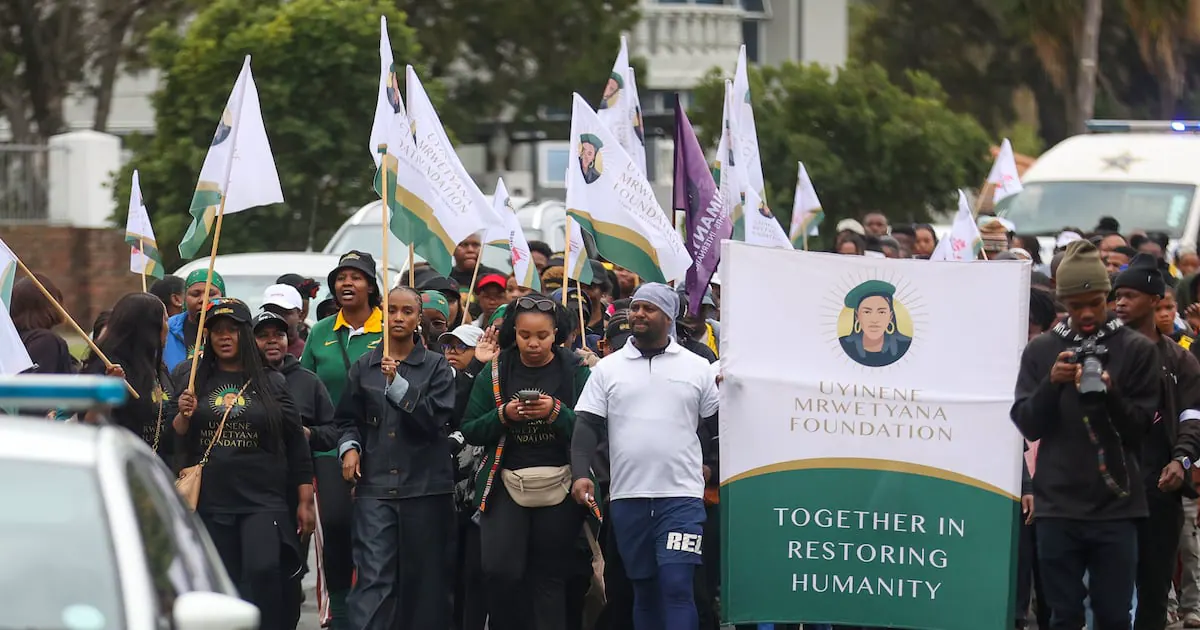
The GBVF crisis has claimed numerous lives in South Africa, including that of University of Cape Town student Uyinene Mrwetyana, who was raped and murdered in 2019. This incident sparked national outrage, leading to Ramaphosa's pledge of additional funding. In 2018, thousands of women marched to the Union Buildings under the banner of the Totalshutdown movement, calling for action against GBVF.
Despite the government's efforts to address GBVF, including the establishment of a GBVF council and the adoption of a gender-responsive budgeting framework, progress has been slow. In 2021, Ramaphosa announced the launch of a private sector-led GBVF fund, but reports by the Commission for Gender Equality, the Budget Justice Coalition, and Wise4Africa found no trace of the promised R1.6 billion allocation.
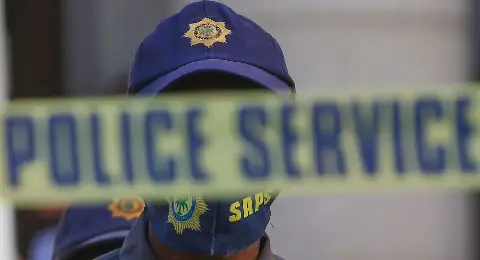
Recently, nine women were murdered in Kempton Park, sparking renewed concerns about GBVF in South Africa. The police were criticized for waiting almost two months to warn women of a potential serial killer and for blaming women for femicide. According to Pumla Dineo Gqola, author of Female Fear Factory, "Vigilance is a permanent state of being for South African women. Sexual violence is war against women for being women."
The GBVF Council was only appointed six weeks ago, and its 2025 annual report revealed that it had mobilized only R180 million during its first four years. This is four times less than the R45 million allocation towards the new council. Minister in the presidency for women, youth, and people with disabilities, Sindisiwe Chikunga, acknowledged that the GBVF mandate "remains largely unfunded".
Critics argue that the Treasury has more power than ministers in determining budget allocations. Public Service Commission chair Somadoda Fikeni questioned whether South Africa is a "Treasury-led or a strategy-led country". Ramaphosa's tendency to defer to the Treasury has raised concerns about his ability to implement the national strategic plan on GBVF.
The lack of funding for GBVF initiatives has significant implications for the implementation of the national strategic plan. Without a budget allocation, the government's efforts to address GBVF will be ineffective. The national strategic plan on GBVF remains unimplemented, eight years after the TotalShutdown movement called for action.
Key points
- The South African government has failed to provide sufficient funding to support its plans to address gender-based violence and femicide.
- The GBVF council has mobilized only R180 million during its first four years, despite promises of R1.6 billion in funding.
- Critics argue that the Treasury's influence over budget allocations hinders the implementation of the national strategic plan on GBVF.